
Why China supplies the aftermarket, and where the catch is
Brazil's vehicle fleet keeps getting older, and an older car is a car that needs parts. Garages, auto centres, accessory shops and distributors live off that replacement demand, and China is the factory that supplies the world with car parts, accessories and automotive electronics, at prices and variety that leave room for resale margin. The opportunity is real and large.
What misleads people is assuming a car part is imported like any other product. It carries two traps that gadgets and clothing do not have: part of what you sell affects vehicle safety and is tightly regulated, and every part depends on fitting the right car, which the supplier's catalogue rarely guarantees. Buying is easy; getting the part in legally and making it fit your customer's vehicle is where the business is won or lost. That is what this guide is about. If you are after the shortcut of closing a batch on a marketplace and having it shipped, it does not exist here: with car parts, the shortcut is the quickest route to seizure or to stock that never moves.
The three yardsticks of car parts
A car parts shipment usually mixes products that follow different regulatory paths. Treating them all as one single process is the original mistake. There are three yardsticks:
The golden rule is to check each item's requirement before closing the order, item by item, instead of finding out at customs that half the container needed a certificate. The guide to products that require INMETRO and the one on ANATEL and INMETRO homologation cover the two yardsticks that catch car parts importers most often.
The question that decides the order: before "how much does it cost" comes "does this part affect vehicle safety or transmit radio?". The answer defines whether you are dealing with INMETRO, with CONTRAN, with ANATEL or with a combination of them, and none of those certifications can be sorted out after the shipment arrives. They are sorted out before.
Fitment: the risk the catalogue hides
Even with compliance fully in order, car parts carry a risk no other category shares to the same degree: the part has to fit the right car. And the same model that runs in Brazil may exist in China in a version with a different engine, year or market, so the part that fits there may not fit here.
That is why the model name is not enough. What guarantees fitment is cross-checking:
- The part number of the original you want to replace.
- The exact year, engine and trim of the vehicle, not just make and model.
- The real application, confirmed with a physical sample before the batch, fitted or tested wherever possible.
A container of parts that do not fit is not a discount, it is a total loss: goods that do not sell, customers who return them and a garage's reputation that goes with them. A catalogue photo never guarantees fitment, and this is where buying from a distance stumbles most.
The mistakes that leave car parts stuck at customs
Car parts bring together safety items, electronics and sensitive classification, exactly the combination inspectors watch closely. These are the mistakes that most often hold or seize a shipment:
1. Importing safety parts without certification
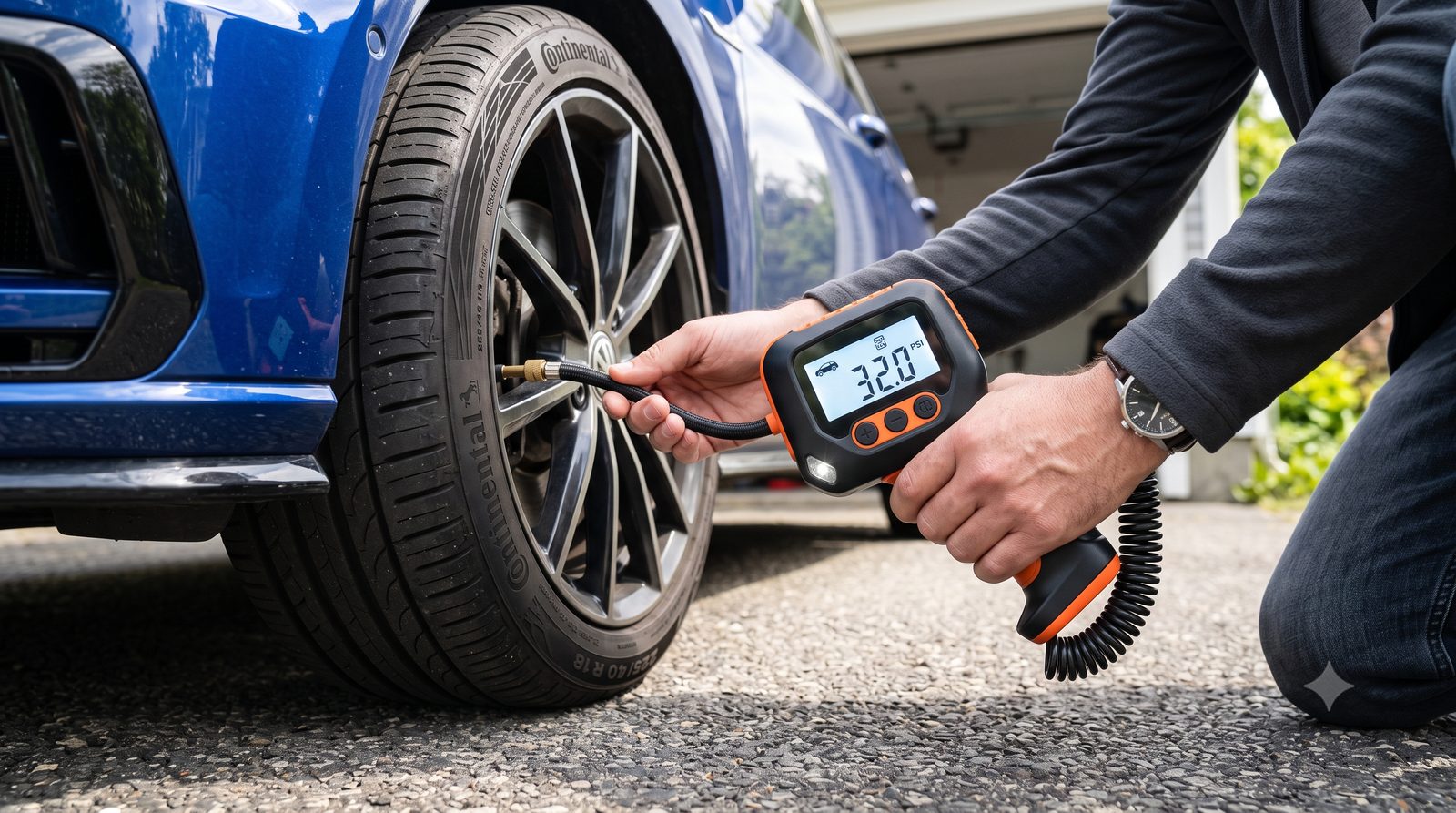
Bringing in tyres, headlamps, mirrors or seat belts without INMETRO and without the required registration. Reselling them is irregular and the shipment is liable to seizure, with no way to regularise it after departure.
2. Forgetting ANATEL on the on-board electronics
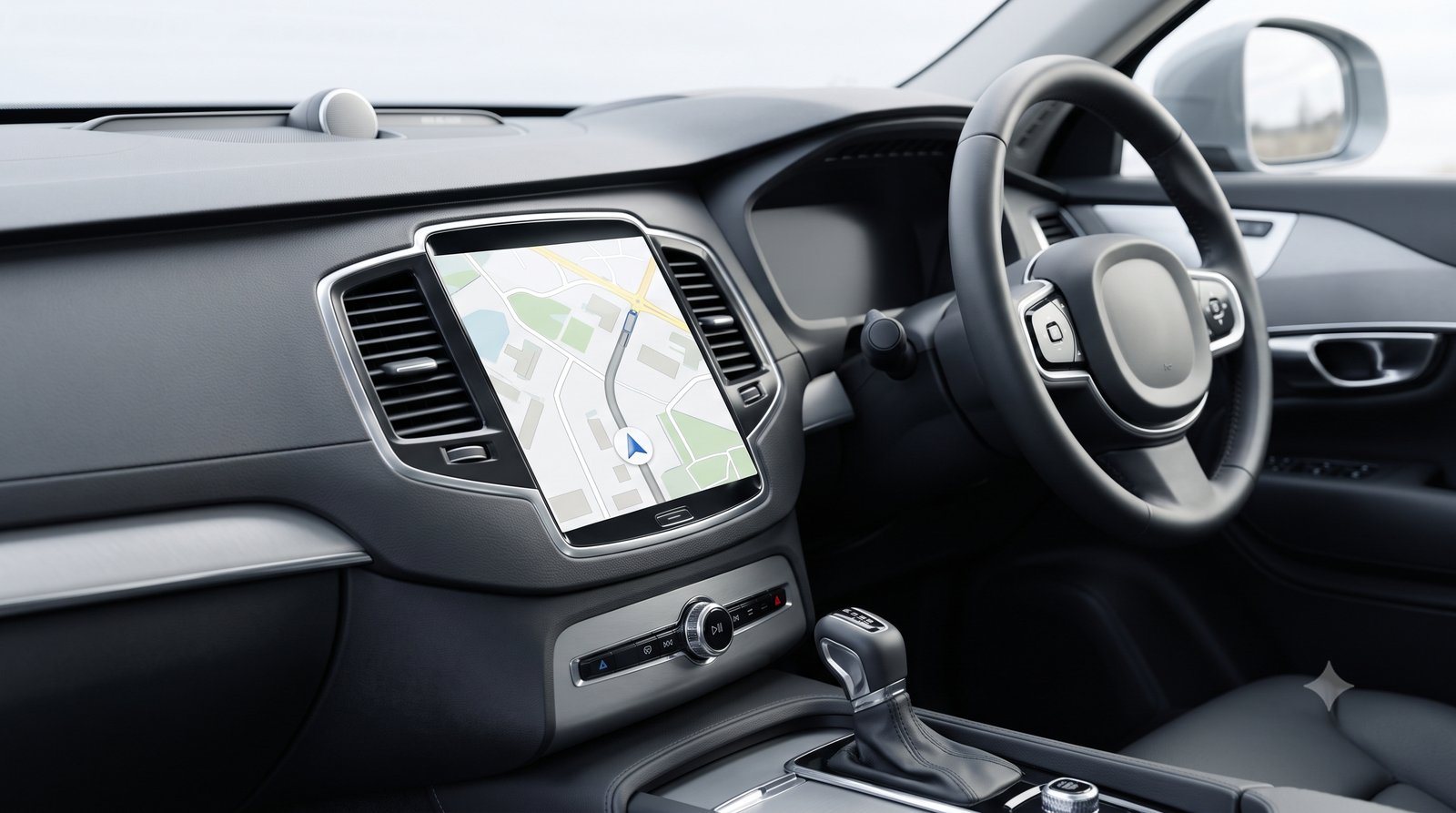
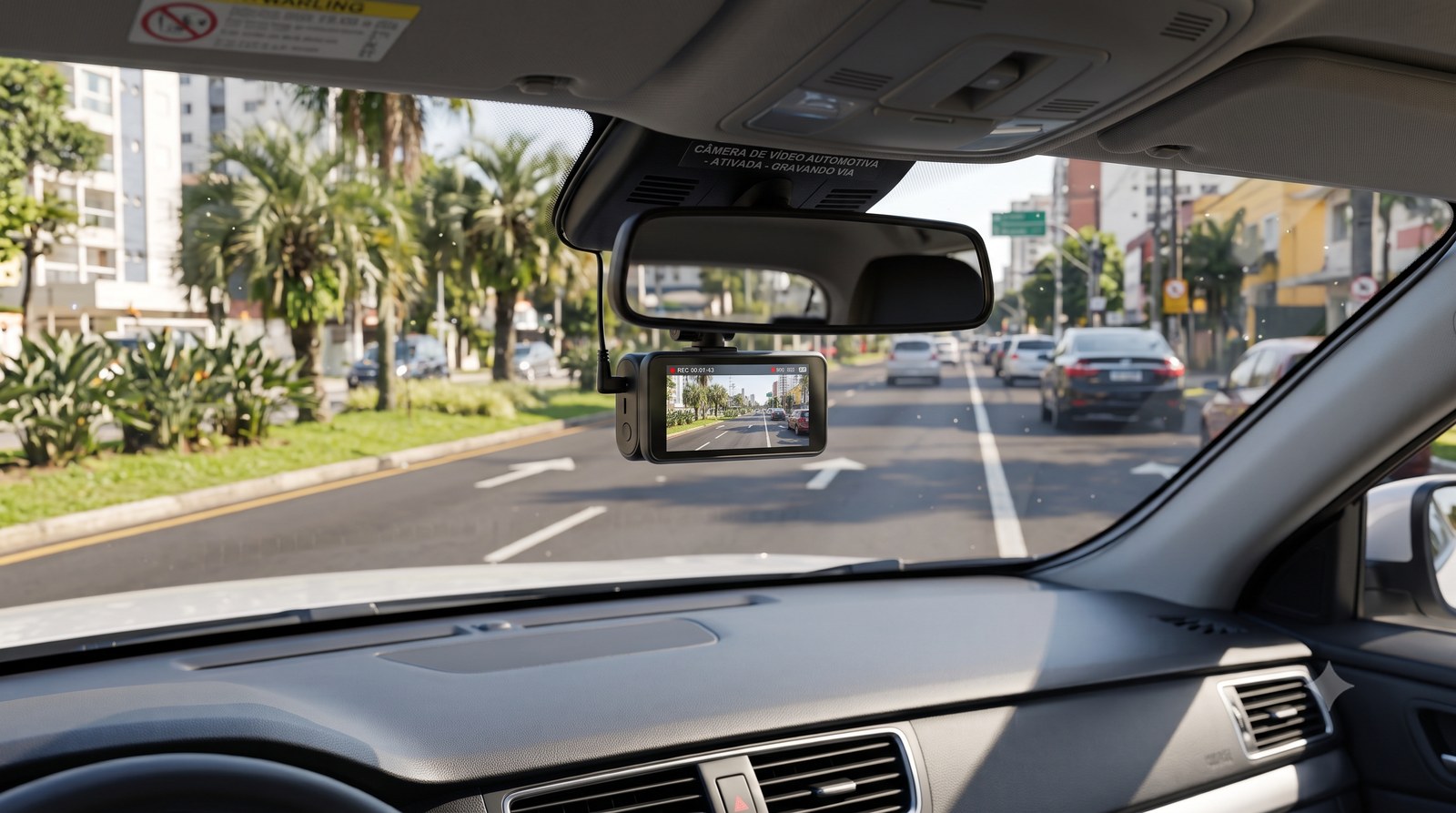
Buying a multimedia head unit or a dashcam without radio homologation. Beyond the risk at customs, the product cannot legally be sold, and the stock becomes dead weight.
3. Using the wrong NCM code
Car parts have a tax classification full of detail. The wrong code changes the tax due and raises a flag; reclassification comes with a tax difference and a fine, and the shipment waits where it is.
4. Under-invoicing
Declaring a value below the real one. The Receita has reference prices and recognises the pattern, which leads to detention, arbitrated valuation and a fine, on top of staining the importer's record.
5. Trusting the catalogue's fitment data
Closing the batch on the description alone, without validating fitment with a sample. The part arrives, does not fit the Brazilian version, and the whole container becomes dead stock.
6. Mixing regulated and ordinary parts in the same calculation
Treating a mixed shipment as a single process. Each family has its own yardstick, and one badly resolved safety item holds up the entire container.
The common denominator is always the same: everything is settled at source, before shipping, and nothing is fixed afterwards. For the full picture of what holds goods up, see the mistakes that make the Receita hold your shipment and the guide to NCM and tax classification.
What cannot be sorted out from afar
There is plenty of content teaching you to "import car parts on your own", and it almost always stops exactly where the business really begins, because the stages that decide the outcome depend on people at source, not on photos and catalogues:
- Knowing whether the factory is a factory. Many car parts suppliers are trading companies reselling from third parties. Finding out who actually produces, and with what controls, is fieldwork and relationships.
- Validating real fitment. Cross-checking part number, year and engine and testing the part on the right application, before the batch. That is what prevents the container that does not fit.
- Filing the certification as the responsible importer. INMETRO, CONTRAN and ANATEL require paperwork, testing and time, run in parallel with production so the shipment arrives compliant.
- Inspecting the batch for real. Defective car parts show up in bulk: weak material, dimensions out of spec, poor finishing. Checking the packed batch before the final payment is the cheapest insurance there is.
- Negotiating with presence and volume. Price, warranty and lead time are negotiated better with the language, a track record and scale. The distant buyer with no volume gets the worst terms.
None of those stages fits into a tutorial, because none of them is done from a distance. This is where a partner at source stops being a cost and becomes what separates a car parts import that turns over stock from one that ends up seized or unsold. A single pre-shipment quality inspection already pays for the care. For the full cost of the operation, it is worth reading how much it costs to import from China.
The sum that rarely shows up: the cheapness of importing on your own ignores the cost of the mistake. An irregular batch of car parts ends up seized, and a batch that does not fit ends up as dead stock, both adding up to a total loss plus the capital locked in. The partner does not make the operation more expensive, it removes the risk that breaks the first-time importer.
Where to see car parts in China before buying
Choosing car parts from a photo is gambling; seeing and testing them at source is deciding on real ground. Two events concentrate the sector, and both can be combined in the same season:
Being at the fair lets you test the part, fit the accessory, compare dozens of factories in hours and tell who manufactures from who merely resells, all before committing a single cent. It is worth looking at the full calendar of China trade fairs 2026 to fit the dates together.
Chinese automotive in the Showcase
Real automotive finds measured by this same INMETRO and ANATEL yardstick, each with its cost and resale logic. See more in the China Showcase.
Frequently asked questions about importing car parts from China
Which car parts need INMETRO certification to be imported from China?
The parts that affect the vehicle's safety on the road are the most regulated: tyres, headlamps and tail lamps, mirrors, seat belts, child car seats, helmets, glass and steering and braking components. These products require INMETRO certification and, in many cases, registration with CONTRAN and SENATRAN before they can be sold. Importing a safety item without certification for resale is irregular and liable to seizure at customs. An accessory that does not affect safety tends to follow the standard process, but the yardstick is confirmed case by case.
Do I need ANATEL homologation for dashcams and multimedia head units imported from China?
Yes, whenever the accessory transmits radio. Multimedia head units with Wi-Fi or Bluetooth, connected dashcams, alarms and trackers with a signal, and proximity key fobs all fall under ANATEL homologation, which is the importer's responsibility. On-board electronics bring two yardsticks together at once: ANATEL for the radio and, when the item is wired-in electrical equipment, INMETRO as well. It is the category of automotive accessory that most often surprises the unwary importer.
Can any car part be imported for resale?
Structurally, importing car parts for resale is a company operation: it requires a CNPJ and RADAR Siscomex clearance. In terms of the product, it depends on the part: a safety item needs the required certification and registration before it reaches the shelf, and not every part advertised by a Chinese supplier can be homologated here. That is why checking the regulatory requirement comes before closing the order, not after the shipment arrives.
How do I make sure a Chinese car part is compatible with Brazilian cars?
Fitment is the most underestimated risk in car parts. The same car model has engine, year and market variations, and the part that fits the Asian or European version may not fit the Brazilian one. The car's name is not enough: you have to cross-check part number, year, engine and the real application, and confirm with a physical sample before the batch. A catalogue photo does not guarantee fitment, and a container of parts that do not fit is a total loss.
How do I import car parts from China without the shipment being seized?
By settling compliance and fitment at source, before shipping: identifying which items require INMETRO, CONTRAN and ANATEL, filing the certification as the responsible importer, using the right NCM code, validating the factory and checking fitment with a sample. That is the part that cannot be done through photos and catalogues. BCVN handles the sourcing, the supplier validation, the compliance and the import, so the parts arrive ready to sell and to fit.