
Why toys are profitable, and why they are unforgiving
The Brazilian toy market concentrates around clear peaks: Children's Day, Black Friday and, above all, Christmas. In those windows demand surges, margins are generous and the variety coming out of China is endless, with room for private label and for the trend product that goes viral. For the shop, the distributor and the reseller, it is one of the most profitable businesses of the year.
But toys carry two requirements that almost no other consumer category has to the same degree: a safety yardstick with no exceptions, because the product ends up in a child's hands, and an unforgiving calendar, because arriving after Christmas is arriving far too late. Buying is the easy part; getting the toys in lawfully and on time is where the money is made or lost. That is what this guide is about. If you are looking for the shortcut of closing a batch of toys on a marketplace and having it shipped, it does not exist here: with toys, the shortcut is the fastest route to a seizure, or to stock that lands in January.
And the calendar squeezes from both sides: on top of the certification lead time, China stops for Chinese New Year, right in the middle of the production window for anyone selling the following Christmas. The dates are in the Chinese holiday calendar.
The certification with no exceptions
This is the rule that defines everything: every toy intended for children up to 14 years old requires compulsory INMETRO certification to be imported for resale, distributed or sold in Brazil. Not "some toys", not "the electrical ones", but every toy in that bracket. Without certification, the product simply cannot be sold.
Certification is carried out by a Product Certification Body (OCP) accredited by INMETRO, which puts the sample through laboratory tests and reviews the documentation. Those tests check what protects the child:
- Mechanical safety: strength, small parts that could cause choking, points, edges and parts that come loose.
- Chemical safety: toxic substances, paint, heavy metal migration and prohibited or restricted components.
- Labelling and age range: warnings, age marking and the conformity identification seal the toy must carry.
And here is the point that most often floors the beginner, the order of the steps: certify first, import second. Certification depends on a sample, testing and analysis, and must be under way before the shipment arrives. Buying the batch in China and only then discovering the requirement is the classic reversal that leaves the container standing. The guide to products that require INMETRO lays out the wider picture of this yardstick.
The rule that changes the sequence of the business: in almost every category, you buy and then sort out the paperwork. With toys it is the other way round: certification comes first, because it is what authorises the sale. Plan the operation in that order and you reach Christmas with stock; invert it and you reach Christmas with a shipment held at customs.
Beyond INMETRO: radio, chemistry and age range
INMETRO is the backbone, but the modern toy adds further layers depending on the type:
In other words: a single order can mix plain toys (INMETRO), connected toys (INMETRO plus ANATEL) and borderline items, each with its own route. Treating it all as "toys" and expecting one single process is where the trouble starts. The guide to ANATEL and INMETRO approval covers the connected-product side.
The mistakes that stop toys at customs
Toys combine a safety yardstick, seasonal value and detailed classification, the mix that enforcement watches closely. These are the mistakes that most often get a shipment held or seized:
1. Buying before certifying
Closing the batch in China and only then discovering the INMETRO requirement. The shipment is held, with no way to regularise it at the speed the season demands, and the selling window passes.
2. Toys without the conformity seal
Importing without the identification seal and Portuguese labelling with warnings and age range. A product with no seal does not reach the shelf, and the batch sits waiting to be brought into line.
3. Ignoring ANATEL on connected toys
Buying a remote-controlled car or a Bluetooth toy without radio approval. Beyond the customs risk, the product cannot be sold lawfully.
4. Material that fails the chemical test
Trusting a cheap supplier whose paint or plastic does not stay within substance limits. The sample fails, and the whole batch, bought on the strength of it, becomes a loss.
5. Wrong NCM code and under-invoicing
Classifying the toy outside the correct code or declaring a value below the real one. Toys carry high taxes and well-known reference prices; the error leads to reclassification, a fine and a shipment left standing.
6. Missing the Christmas timing
Closing the order late and leaving no time to certify, produce, ship and clear customs. The toys arrive after the date, once the selling is over, or force air freight that devours the margin.
The common denominator is always the same: everything is settled at origin and well in advance, before shipment, and nothing is fixed afterwards. For the full picture of what holds goods up, see the mistakes that make the Receita hold your shipment and the guide to NCM and tax classification.
What cannot be sorted out from a distance
There is plenty of content promising to teach you to "import toys on your own", and it almost always stops at the point where the business actually starts, because the stages that decide the outcome depend on people at origin, not on photos and catalogues:
- Knowing whether the factory passes the tests. Not every toy manufacturer has the materials and documentation that certification demands. Separating those who produce to a standard from those who merely make it cheap is fieldwork.
- Running the certification as the responsible importer. INMETRO, and ANATEL where there is a radio, require a sample, testing and time, all filed before the shipment arrives. That is what secures the sale in season.
- Validating the sample that goes to the laboratory. Making sure the sample tested is the same as the batch produced, so the certified product is the one that actually ships.
- Inspecting the batch properly. A faulty toy or a substituted material shows up in bulk. Checking the packed batch before the final payment is the cheapest insurance there is.
- Negotiating private label and the Christmas deadline. Customisation, packaging and a lead time that respects the calendar are settled far better with presence, language and volume.
None of these stages fits into a tutorial, because none of them can be done from a distance. This is where a partner at origin stops being a cost and becomes what separates a toy import that sells at Christmas from one that turns into a seizure or late stock. A single pre-shipment quality inspection already pays for the care. For the full cost of the operation, it is worth reading what it costs to import from China.
The sum that rarely shows up: a toy batch that fails the test, arrives without a seal or lands after Christmas is not a discount, it is a total loss plus the capital tied up, in a product with an expiry date on its selling. The partner does not make the operation more expensive; the partner removes the risk and protects the timing that make the toy business work.
Where to see toys in China before buying
Choosing toys from a photo is gambling; seeing and testing them at origin is deciding on real evidence. Three events concentrate the sector in the autumn season, just in time for Christmas production:
Being at the fair lets you test the toy, feel the material, compare dozens of factories in a matter of hours and separate those who manufacture to a standard from those who merely make it cheap, all before committing a single cent. It is worth checking the full 2026 China trade fair calendar to fit the dates around the Christmas deadline.
Chinese toys in the Showcase
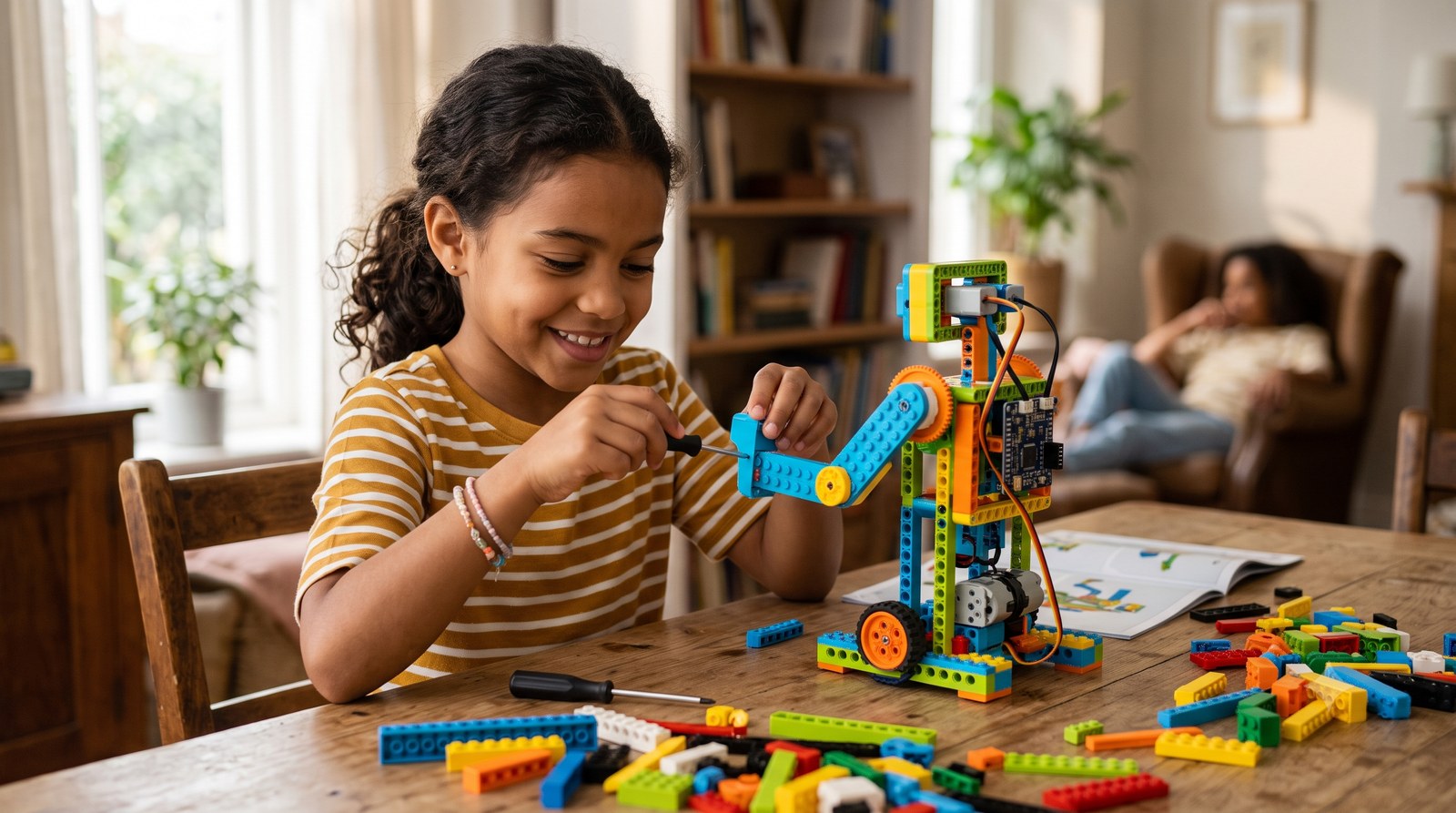
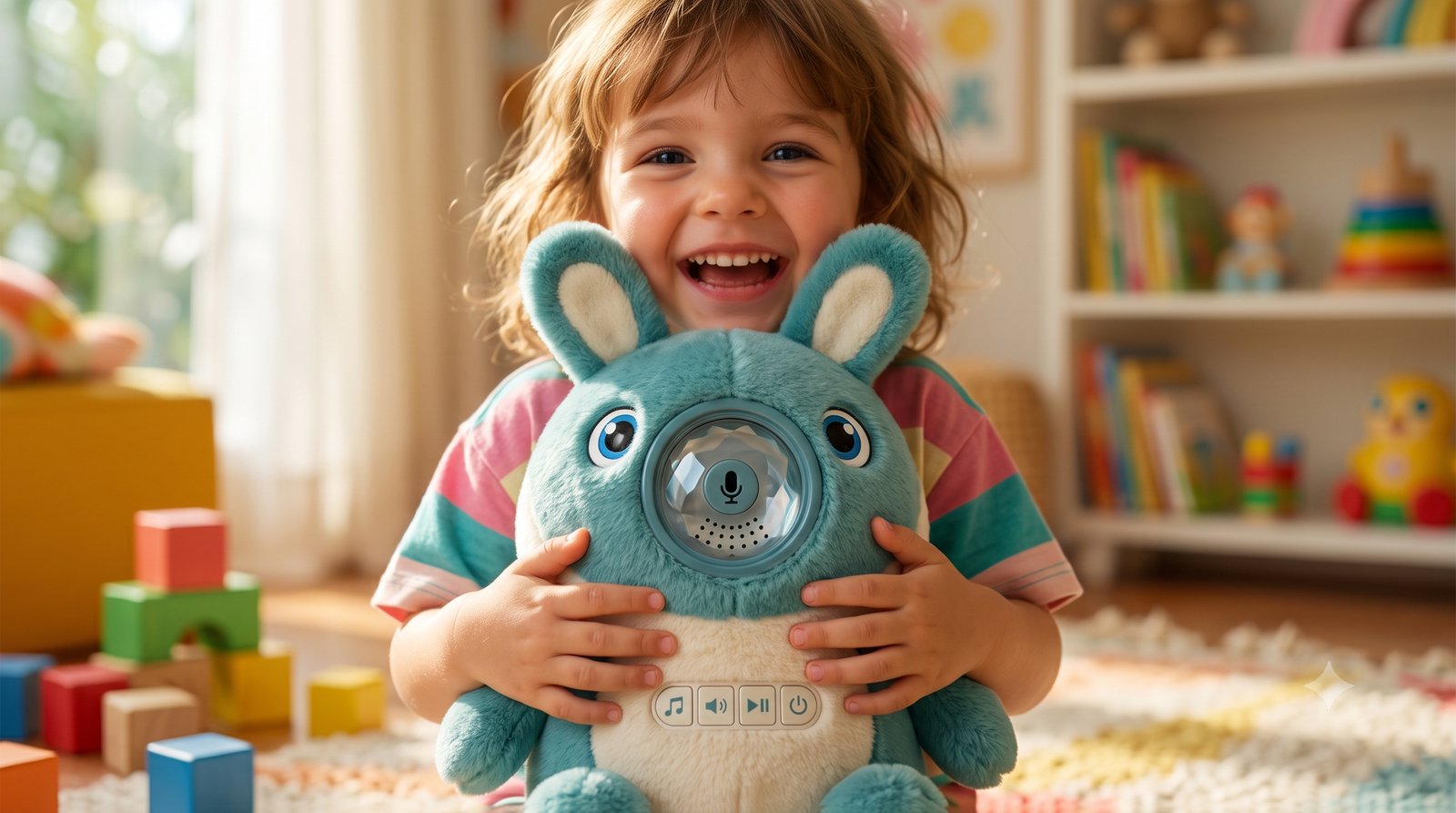
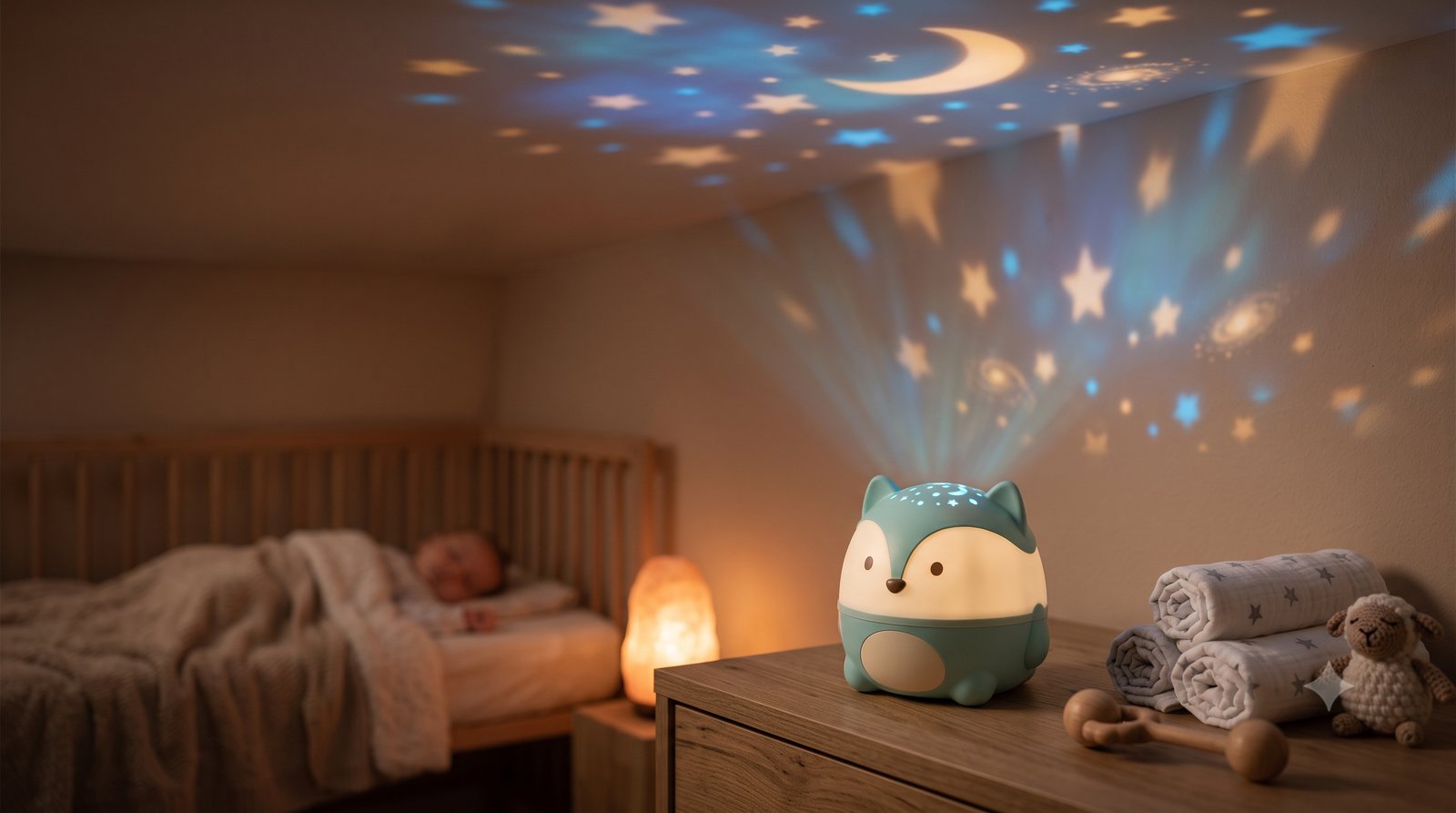
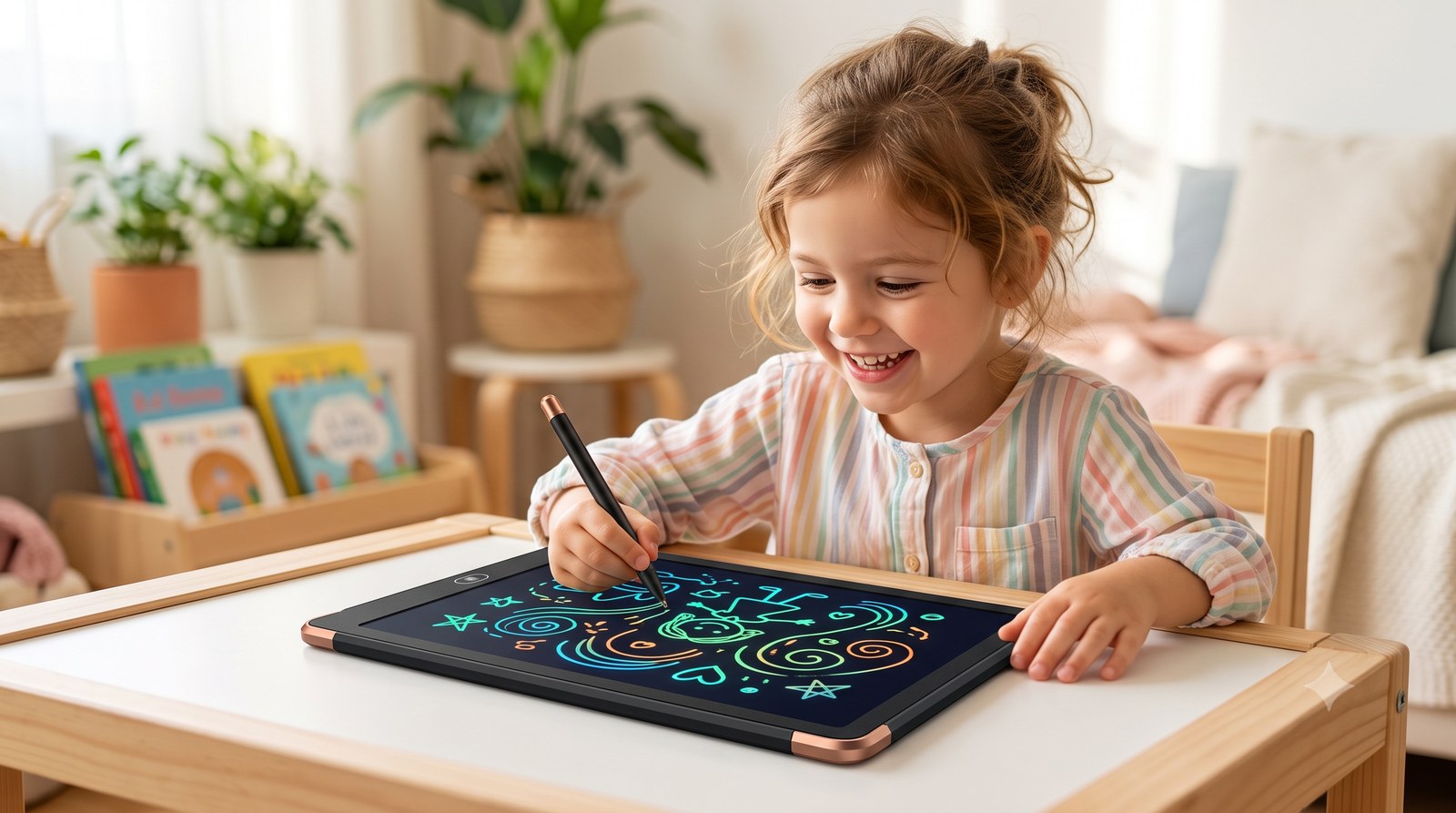
Real toy finds measured by this same INMETRO yardstick, each with its cost and resale logic. See more in the China Showcase.
Frequently asked questions about importing toys from China
Does every toy imported from China need INMETRO certification?
Yes. INMETRO certification is compulsory for every toy intended for children up to 14 years old, with no exceptions. Without it, the product cannot be imported for resale, distributed or sold in Brazil. Certification is carried out by a Product Certification Body (OCP) accredited by INMETRO, which runs the physical and chemical tests, and the toy must carry the conformity identification seal. It is the strictest yardstick among consumer categories.
Can I import the toys first and certify them afterwards?
No, and this reversal is what most often breaks a first-time importer. The correct order is certify first, import second: certification involves a sample, laboratory testing and technical analysis, and must already be under way before the shipment arrives. Buying the batch in China and only then discovering the requirement is the route to goods held at customs, with storage costs and capital tied up, in a product whose selling window is already ticking.
Do remote-controlled or connected toys need ANATEL?
Yes. Toys that transmit radio, such as remote-controlled cars and drones, children's walkie-talkies and toys with Bluetooth or Wi-Fi, add ANATEL approval on top of the toy's INMETRO certification. That is two yardsticks at once, both the importer's responsibility. It is the toy category that most catches out anyone who only budgeted for INMETRO.
When is the best time to import toys from China for Christmas?
Early. Between certifying, negotiating, producing, inspecting, shipping and clearing customs, the typical lead time runs from 60 to 120 days, and INMETRO certification adds time on top of that. Anyone wanting to sell at Christmas and on Black Friday needs to close the order around July and August, not in October. Leaving it to the last minute means the toys arrive after the date, once the selling window has passed, or paying air freight that eats the margin.
How do I import toys from China without the shipment being seized?
By settling compliance at origin, in the right order: certifying the toy with INMETRO before importing, filing with ANATEL when there is a radio, requiring from the manufacturer the materials and documentation that pass the tests, securing the seal and Portuguese labelling, and classifying the correct NCM. That is the part no photo or catalogue can do for you, because it depends on validating the factory and the sample. BCVN handles sourcing, supplier validation, certification and the import itself, so the toys arrive ready to sell in the right season.