
Why beauty is profitable, and why it is risky
The Brazilian beauty market is one of the largest in the world, and China supplies a good share of what sits on the shelves: make-up, skincare, accessories, aesthetic devices. For the shop owner, the distributor and the salon, the margin is inviting and the variety is enormous, with clear room for private label in a sector driven by launches and trends.
The catch is a difference almost every beginner underestimates: much of what is sold is a health-regulated product, and Brazilian customs treat cosmetics with a yardstick that does not exist for gadgets or clothing. Buying is simple; getting the cosmetic in legally and onto the shelf is where the money is won or lost. This guide is about that second part. If you are after the shortcut of picking a batch of cream from a catalogue and having it shipped, it does not exist: in beauty, the shortcut is exactly what gets the shipment held.
What ANVISA counts as a cosmetic, and what changes
ANVISA is Brazil's national health surveillance agency, and every product that fits the definition of a cosmetic has to be cleared by it before being sold, regardless of where it was made. This is not a step you sort out after the shipment arrives; it is the condition for the goods to enter and be sold at all.
Two concepts organise this yardstick:
Add three requirements that travel together: Good Manufacturing Practices (BPF), which the Chinese manufacturer has to meet and evidence; the NCM classification in chapter 33 (the perfumery and cosmetics chapter), which sets the tax due; and labelling in Portuguese, with composition, directions, shelf life and warnings. Failing any one of them holds the shipment. The guide to importing with ANVISA (cosmetics, health and aesthetics) details each of those paths, and the one on NCM and tax classification shows why the right code matters so much.
The question that decides the order: in beauty, before "how much does it cost" comes "is this a cosmetic in ANVISA's eyes, and at what grade?". The answer defines whether you need notification or registration, how long that takes and what to demand from the manufacturer. Finding that out with the cargo already at the port is expensive; finding it out beforehand is the work that turns a profit.
Beauty devices follow a different yardstick
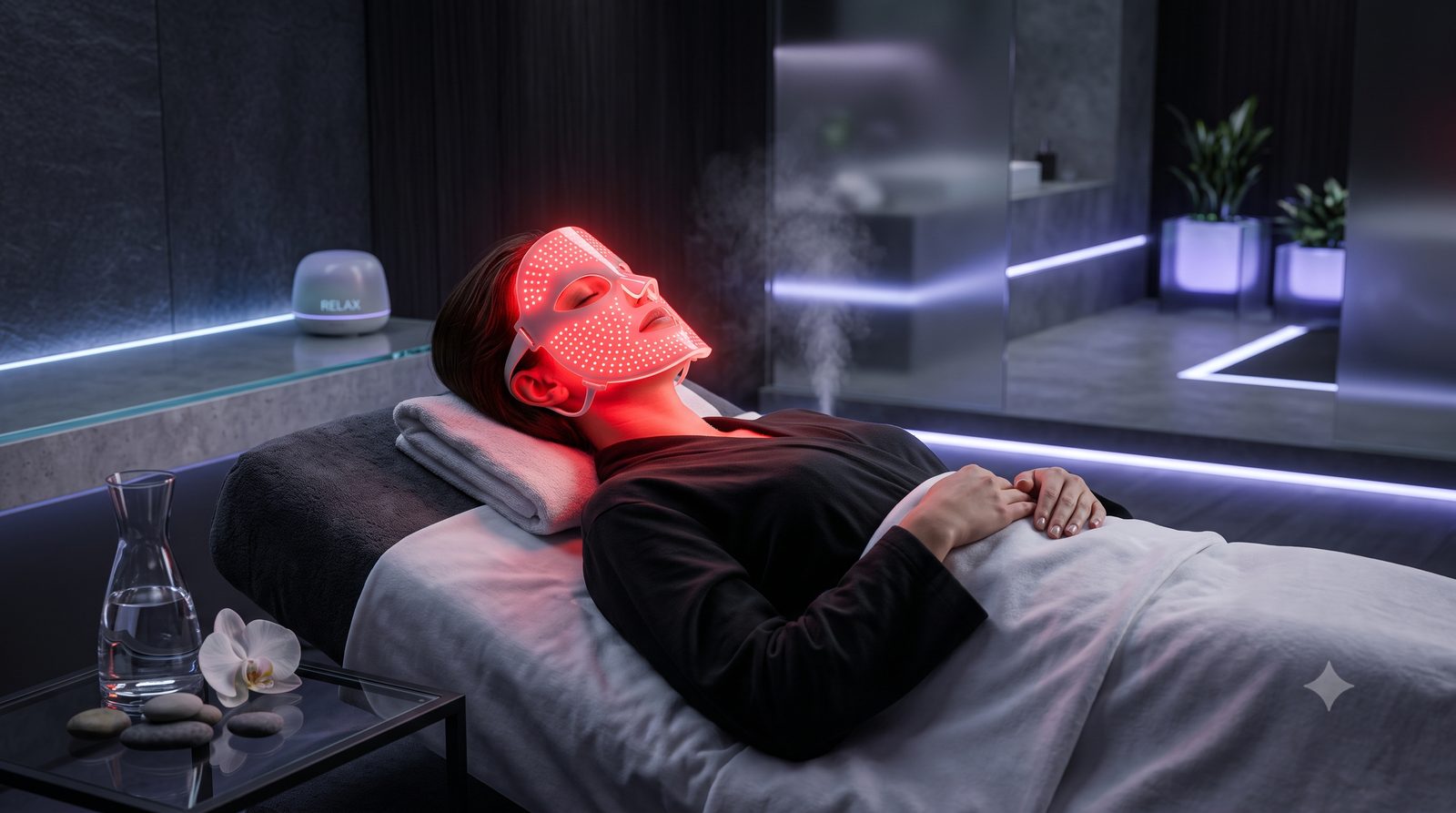
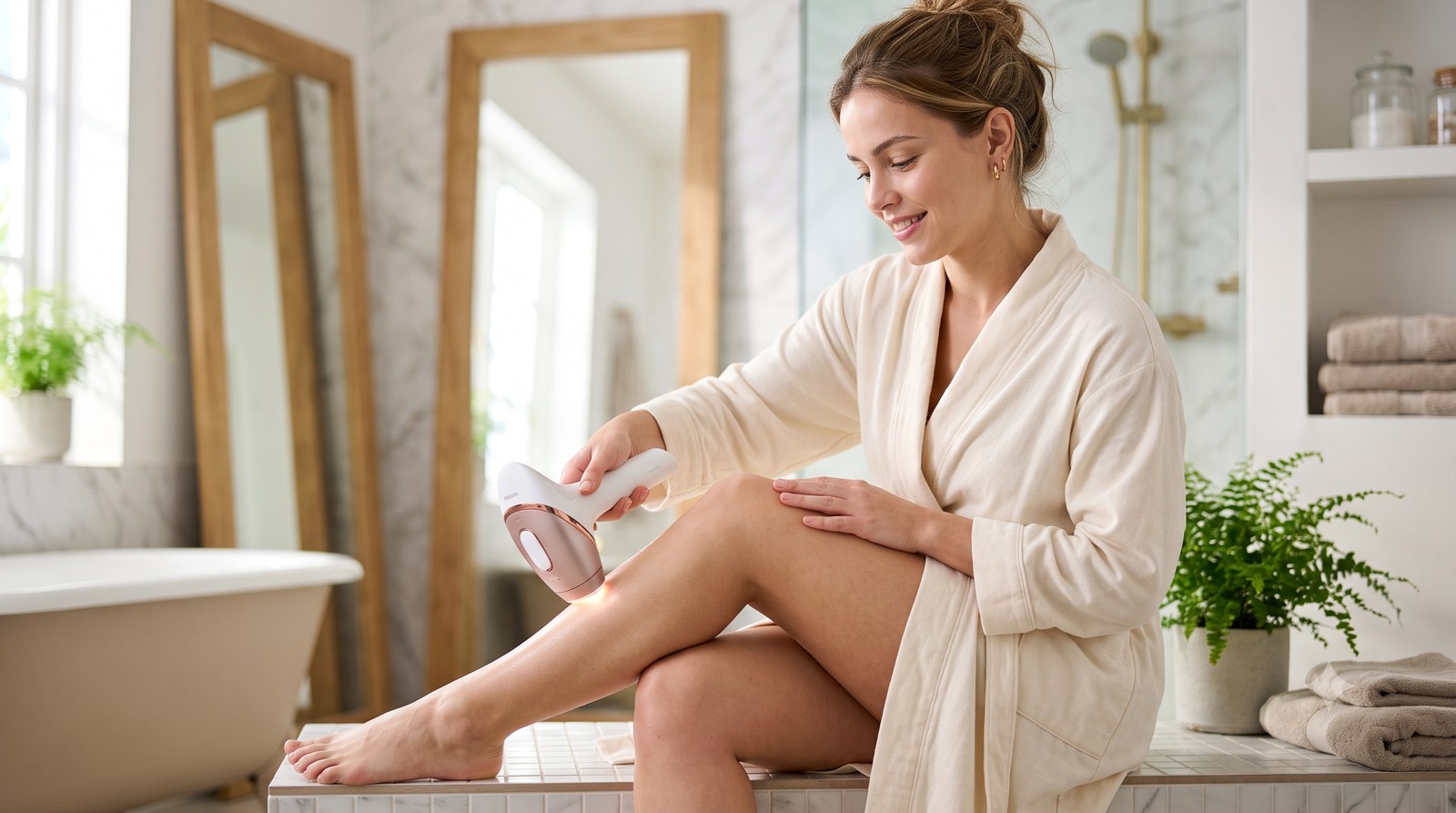
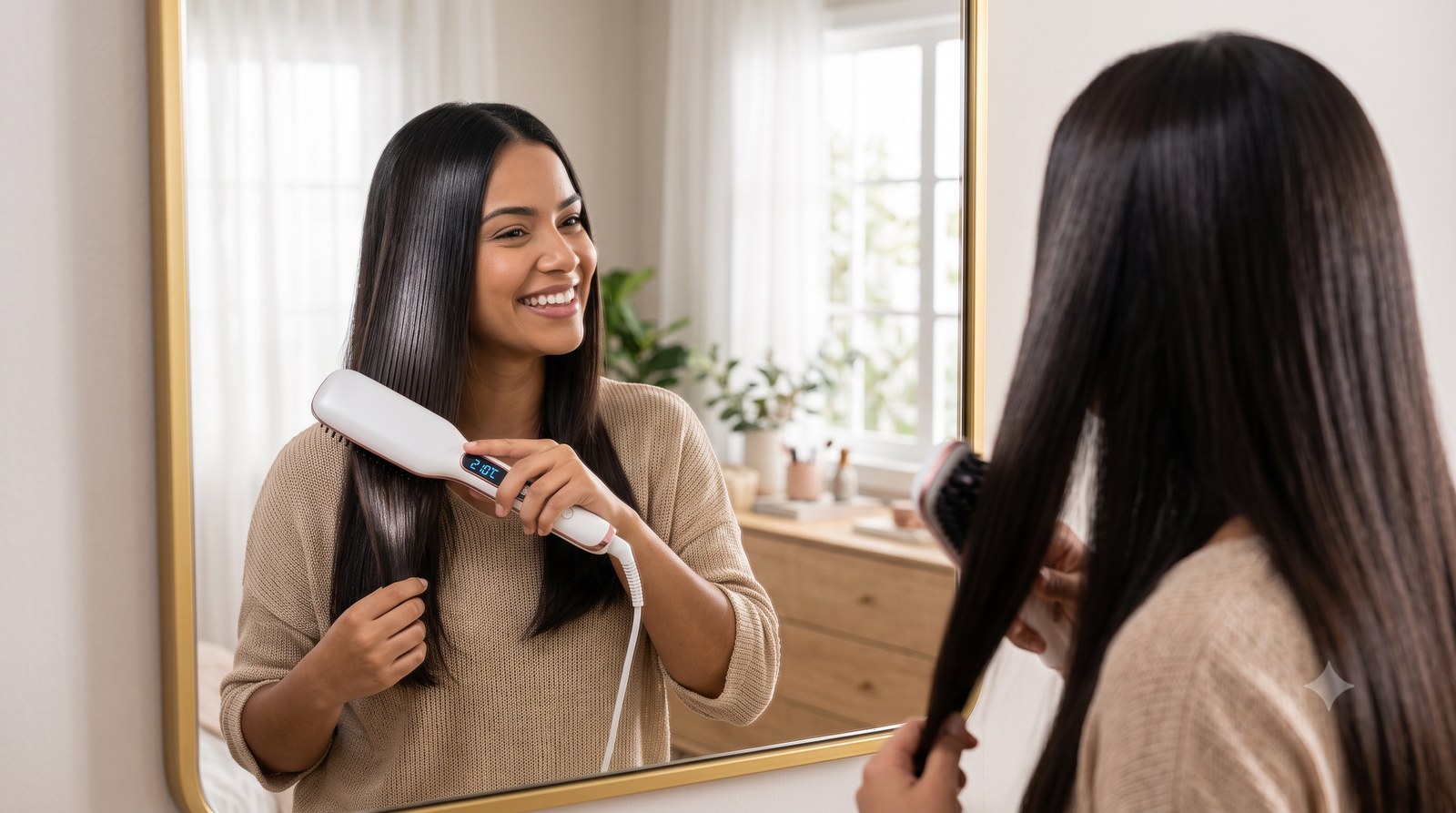
Anyone importing beauty rarely brings cosmetics alone. The devices come along: hair straightening brushes, LED face masks, IPL hair removal devices, skincare gadgets. And here the yardstick changes, because those items are electrical and electronic goods, not cosmetics, and fall under a different set of rules:
- INMETRO: an electrical beauty device needs safety certification, which is what guarantees it will not give a shock or overheat.
- ANATEL: if the device has Bluetooth or an app (very common in connected skincare gadgets), radio homologation applies.
- ANVISA, as a health product: a device with an aesthetic or therapeutic purpose (certain professional aesthetic equipment) may require its own health classification, stricter than that of an ordinary appliance.
In other words: the same beauty shop can have a shipment mixing cosmetics (ANVISA health rules), electrical devices (INMETRO) and connected gadgets (ANATEL), each with its own path. The guide to ANATEL and INMETRO homologation covers the device side. Treating everything as "beauty products" and expecting a single process is where the trouble starts.
The mistakes that leave beauty stuck at customs
Cosmetics bring together high added value, health rules and sensitive classification, the combination that attracts inspection most. These are the mistakes that most often hold a beauty shipment:
1. Importing without AFE and without clearing the product
Closing the order before holding the AFE and before notifying or registering the cosmetic. Without those, the goods cannot be cleared or sold, and they sit there generating cost.
2. Buying the formula without knowing the composition
Trusting the trade name without demanding the real composition. An ingredient banned or restricted in Brazil sinks the clearance and can write off the whole batch.
3. Ignoring the supplier's Good Manufacturing Practices
Buying from a manufacturer that cannot evidence BPF. ANVISA requires the source to be under good practices, and a supplier that looks good in the catalogue may not hold the documentation the clearance demands.
4. Labels only in English or Chinese
A cosmetic needs labelling in Portuguese with composition, use, shelf life and warnings. A foreign label is grounds for detention until it is corrected, with cost and delay.
5. The wrong NCM code in chapter 33
Classifying the cosmetic outside the correct code changes the tax due and raises a flag. Reclassification comes with a tax difference and a fine, and the shipment waits meanwhile.
6. Mixing cosmetics and devices in the same calculation
Treating a mixed shipment (cream plus electrical device) as a single process. Each family has its own yardstick, and one badly classified item holds the entire container.
All these mistakes have something in common: they are solved at source, before the cargo leaves, and they are not fixed afterwards. For the full picture of what holds goods up, see the mistakes that make the Receita hold your shipment.
What cannot be sorted out from afar
There is plenty of content promising to teach you to "import cosmetics on your own", and it almost always stops before what really matters. Because in beauty, the stages that decide the outcome depend on people at source, not on photos and catalogues:
- Validating the formula's real composition. Confirming what is actually in the product, comparing it with what is allowed in Brazil and collecting the technical documentation. That is what stops the clearance failing when the batch is already bought.
- Auditing the manufacturer's Good Practices. Knowing whether whoever produces has the structure and the BPF documentation ANVISA demands, and telling a factory from a trading company that merely resells.
- Inspecting the batch for real. A perfect sample does not guarantee the batch. Colour, texture, smell, sealing and labels are checked with the packed product in hand, before the final payment.
- Running compliance as the responsible importer. AFE, notification or registration, labelling and NCM moving in parallel with production, so the shipment arrives already cleared.
- Negotiating private label and samples. Custom formula, packaging, labels and boxes are agreed better with presence, the language and volume. That is where the private label margin is built.
None of those stages fits into a tutorial, because none of them is done from a distance. This is where a partner at source stops being a cost and becomes what separates a profitable beauty import from one that turns into a compliance loss. A single pre-shipment quality inspection already pays for the care. For the full cost of the operation, it is worth reading how much it costs to import from China.
The sum that rarely shows up: a batch of cosmetics rejected by ANVISA or carrying an irregular formula is not a discount, it is a total loss plus the capital locked in, on a product whose shelf life is still ticking. The partner does not make the import more expensive, it removes the risk that breaks the first-time beauty shop.
Where to see Chinese beauty before buying
Choosing cosmetics and beauty devices from a photo is gambling; seeing them at source is deciding on real ground. In the autumn season, two events concentrate the sector:
Being at the fair lets you smell, test and compare dozens of factories in hours, and tell who manufactures from who merely resells, before committing a single cent. It is worth looking at the full calendar of China trade fairs 2026 to fit the dates together.
Chinese beauty in the Showcase
Real beauty finds measured by this same ANVISA and INMETRO yardstick, each with its cost and resale logic. See more in the China Showcase.
Frequently asked questions about importing cosmetics from China
Do I need ANVISA registration to import cosmetics from China?
Yes. Every product that fits the definition of a cosmetic has to be cleared with ANVISA before being sold, no matter where it was made. The path depends on the risk grade: low-risk products (Grade 1) go through notification, a simpler process, and products with a specific claim or higher risk (Grade 2) require registration. Before any of that, the importing company needs the AFE, ANVISA's operating authorisation. Without clearance, the cosmetic is held and cannot be sold.
What is the difference between a cosmetic and a beauty device when importing?
They are different yardsticks. A cosmetic is a product applied to the body (cream, make-up, shampoo, perfume) and falls under ANVISA's health rules, with AFE, notification or registration and labelling in Portuguese. A beauty device (hair straightening brush, LED face mask, IPL hair removal device, skincare gadget) is electrical and electronic and falls under INMETRO safety certification and, if it emits radio, ANATEL homologation; when it has an aesthetic or health purpose, it may also require classification as a health product with ANVISA. Many beauty shops import both, and each follows its own path.
What is the AFE and why do I need it to import cosmetics?
The AFE (company operating authorisation) is the permit ANVISA grants a company to import and sell health-regulated goods such as cosmetics, hygiene products and perfume. It is a company-level requirement that comes before clearing each product: without the AFE, neither notification nor registration of the cosmetic can proceed. It is one more reason why importing beauty for resale is an operation for a properly structured company, not a personal purchase.
Do brushes and beauty accessories also need ANVISA?
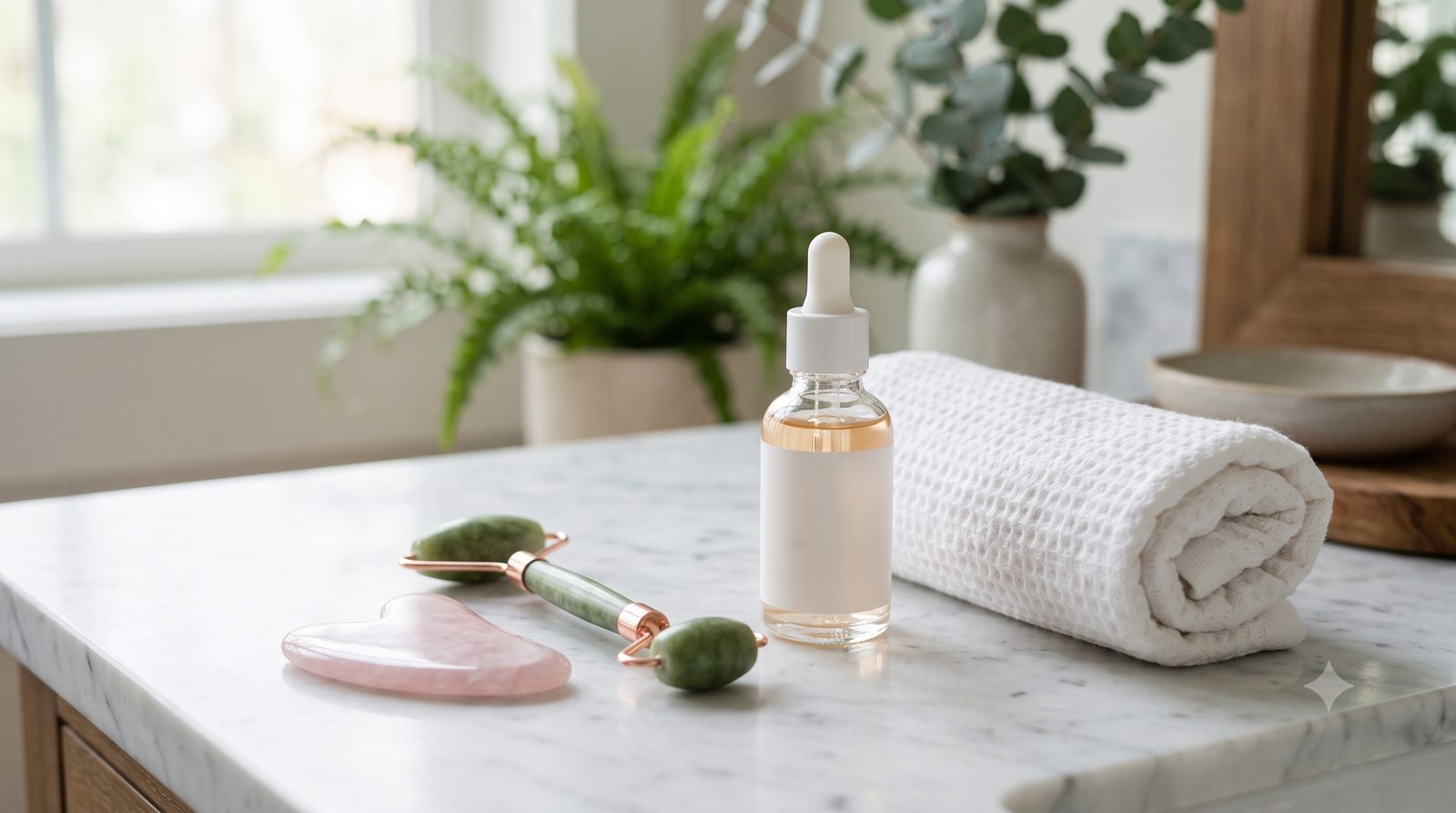
Not always. Accessories that do not fit the definition of a cosmetic, such as brush sets, sponges and some organisers, usually follow the standard import process, without cosmetic health rules. But the line is subtle and depends on the product's function and claims: the same item may or may not be regulated depending on how it is presented. Confirming the classification of each SKU before closing the order avoids the surprise of a mixed shipment being held because of a single item.
How do I import cosmetics from China without the shipment being held by ANVISA?
By settling compliance at source, before shipping: holding the AFE, classifying each product as notification or registration, demanding the real composition and the Good Manufacturing Practices (BPF) of the Chinese manufacturer, using the right chapter 33 NCM code and preparing the labelling in Portuguese. That is the part that cannot be done through photos and catalogues, because it depends on auditing the factory and validating the formula. BCVN handles the sourcing, the manufacturer validation, the compliance and the import, so the cosmetic arrives ready to sell.