
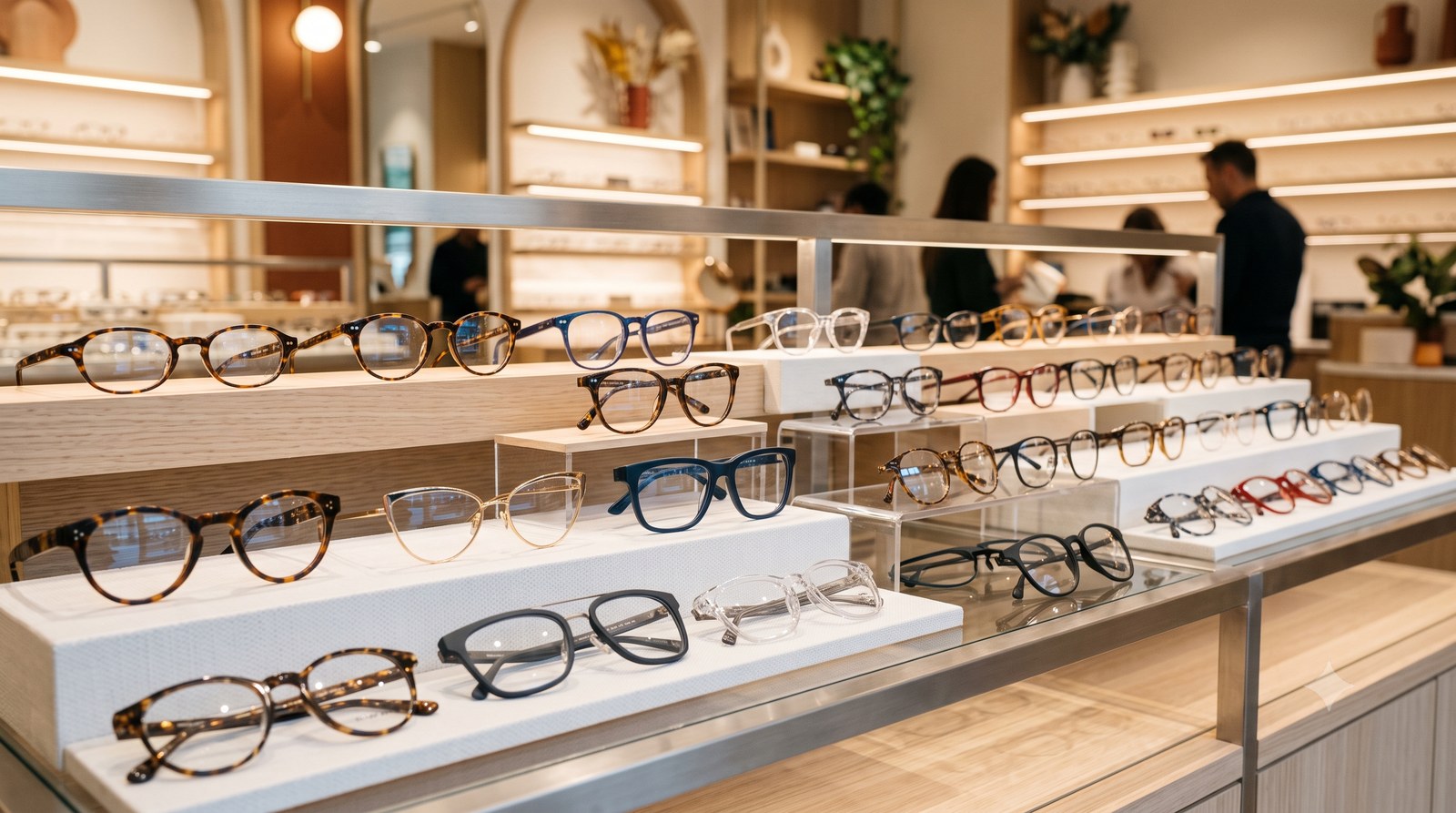
The scene repeats itself in every optician's in Brazil: the customer tries on ten frames, chooses one, and a good part of the price they pay has already gone into a queue of distributors before the piece reached the shop. Whoever really profits from the change is not the customer in the chair: it is the owner of the optician's who discovered that China makes the same frame for pennies, and the importer who realised it is possible to turn that into a brand of their own.
What prescription eyewear frames are
They are the structures that hold the prescription lenses, made of acetate, metal, titanium or injected plastic, in thousands of models, shapes and colours. They range from fashion glasses to hard-wearing children's ones, from minimalist metal to thick, on-trend acetate. It is a fashion product, with a high perceived value, a collection cycle and constant repeat purchase as styles change.
In the window, the frame sells itself: the customer chooses on style, not on the spec sheet. That is why variety is the argument, and whoever has their own collection curation stands out from the optician's next door reselling the same distributor's range.
Models and variations
It is not one single product: at the Chinese trade fairs it is a whole aisle of materials, shapes and audiences. It is that range that lets you assemble a complete optical collection under your own brand.
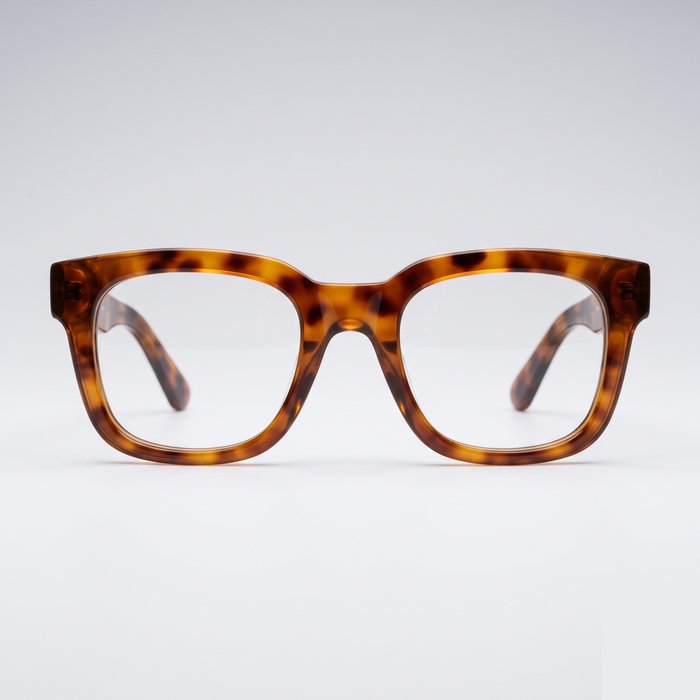
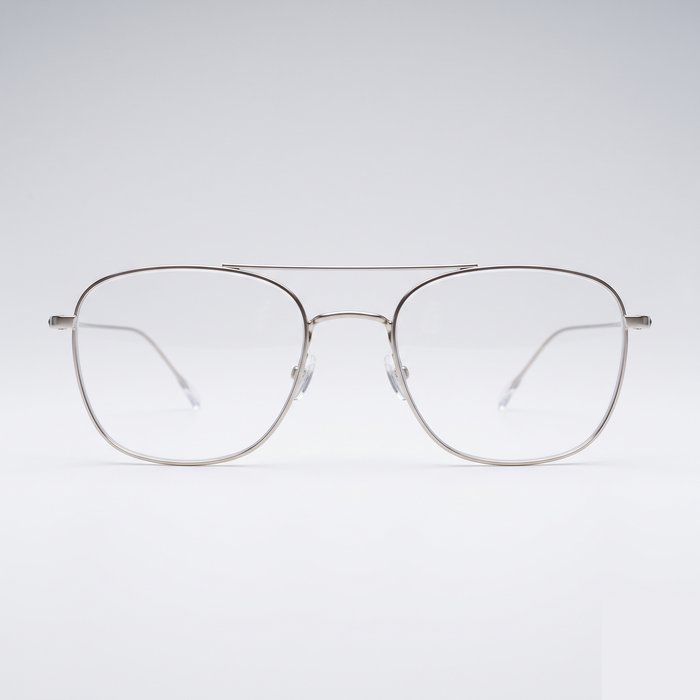
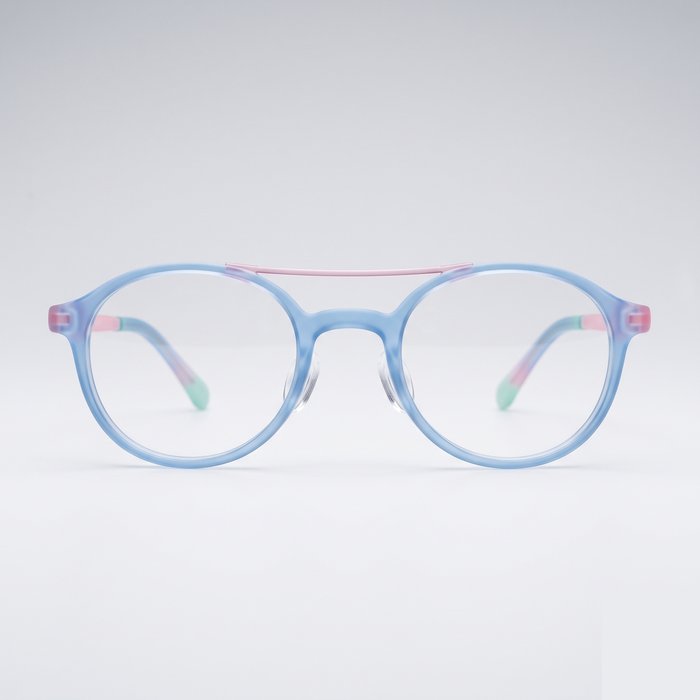
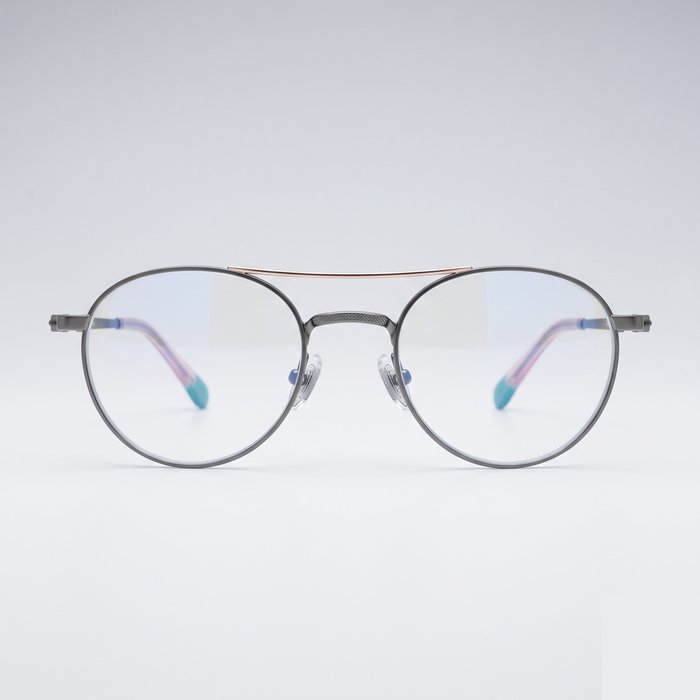
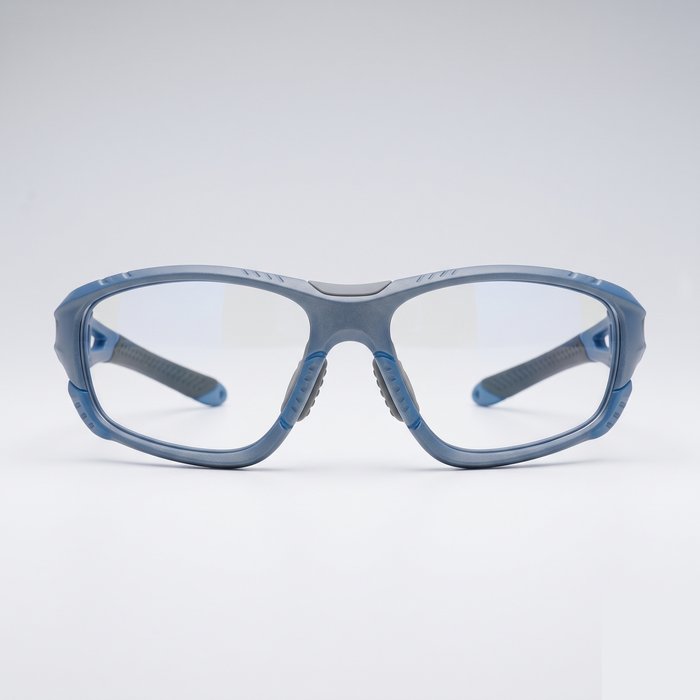
Choosing the right models and the right manufacturer among hundreds of factories, with the hinge and the soldering that do not fail, is exactly where BCVN comes in.
Why this is an opportunity for Brazil
The frame brings together what the eyewear importer looks for: a low cost at source, a high fashion value in Brazil and repeat purchase driven by changing styles. The audience is broad, from the neighbourhood optician's to the chain, and the opportunity serves the retailer, the regional distributor and anyone wanting to launch an eyewear brand.
- A genuine brand of your own: China is the world's factory in eyewear, and private label allows the shop to stop reselling generics and build a collection under its own name, with a far higher margin.
- Low cost at source, fashion value in Brazil: importing directly cuts out the queue of middlemen and opens up a margin, on a product where the customer pays for the style, not for the cost.
- Repeat purchase and collections: a frame is fashion, and fashion changes. With every collection the customer comes back, and the optician's that refreshes its range builds loyalty.
- Import timing: a collection is not an impulse purchase at the factory. Between the order, sea freight and release, counting on 60 to 120 days means closing now to have the collection in the next season.
Before importing: in Brazil, frames, lenses and sunglasses are regulated by ANVISA as medical devices, so confirm the requirement before closing the order. It is worth arranging the quality inspection before shipment to test the hinge, the soldering and the finish of the batch.
Put your own brand on it
Importing frames is, by its very nature, the doorway into private label. The factory puts your name on the piece, on the case and on the cleaning cloth, and you stop reselling everybody else's generic to have a collection with an identity.
- Your brand on the frame and on the case (private label / OEM): logo on the temple and on the packaging.
- Colours, materials and shapes of your choice, assembling the curation of your collection according to your audience.
- Case, cleaning cloth and packaging customised, ready for your optician's window.
Customisation usually calls for a slightly larger minimum order, and BCVN finds the right factory, negotiates the customisation, validates the sample and guarantees the collection arrives exactly as you asked.
It is worth understanding how this works in practice before requesting the first sample: the guide on own brand in China: private label, OEM and ODM explains the difference between the three models and what each one changes in the minimum order and the lead time.
Where to buy prescription eyewear frames in China
The frame appears both at the optical sector fair and at the big general fairs:
- CIOF (optical fair): the dedicated sector fair, where the manufacturers show the complete collections and the private label versions.
- Yiwu Trade Fair: one of the largest eyewear sections in the world, strong in entry-level models and in volume.
- Canton Fair, Phase 3 (Consumer Goods): where eyewear appears alongside the rest of the import universe.
Next edition, 2026: CIOF takes place from 8 to 10 September, in Beijing, and the Yiwu Trade Fair from 21 to 24 October. You can plan the trip to the optical sector fair and combine it with the October peak in a single season.
Read the complete guide to the Canton Fair 2026
The prescription eyewear frame is one of those finds in which variety is the business: whoever assembles the right curation stops competing on price and starts selling style under their own name. For the importer, the question is not whether the customer wants it, it is bringing in the right collection, from the right manufacturer, with your brand and the finish that sustains the optician's reputation.
Frequently asked questions about importing prescription eyewear frames
Is it worth importing prescription eyewear frames from China?
China concentrates the world's manufacturing of frames, in cities such as Wenzhou and Shenzhen, with a cost at source far below that of the product already nationalised. It is a fashion item with a high perceived value, constant repeat purchase and easy private label, which lets the optician's assemble an own-brand collection with a high margin.
Can I import just one frame or a few?
BCVN works with importing for resale and for companies, not with the sale of a single loose unit. Chinese manufacturers operate by minimum order quantity (MOQ) and freight and customs clearance are only diluted at volume, so bringing in a few pieces does not pay off. For one or two frames, buy from a distributor in Brazil; to assemble a collection and resell it at the optician's, that is where BCVN comes in.
Do eyewear frames imported from China need ANVISA registration?
Yes, generally. In Brazil, frames, ophthalmic lenses and sunglasses are treated as medical devices and follow ANVISA rules. The requirement varies according to the product and the classification, so confirm before closing the order. BCVN validates the manufacturer and the technical documentation.
Where to find frame suppliers in China?
At the CIOF optical fair (Beijing), at the Yiwu Trade Fair (with an enormous eyewear section) and at the Canton Fair Phase 3 (consumer goods). BCVN identifies the right manufacturer, separates the factory from the trading company and negotiates the collection, the private label and the after-sales.