
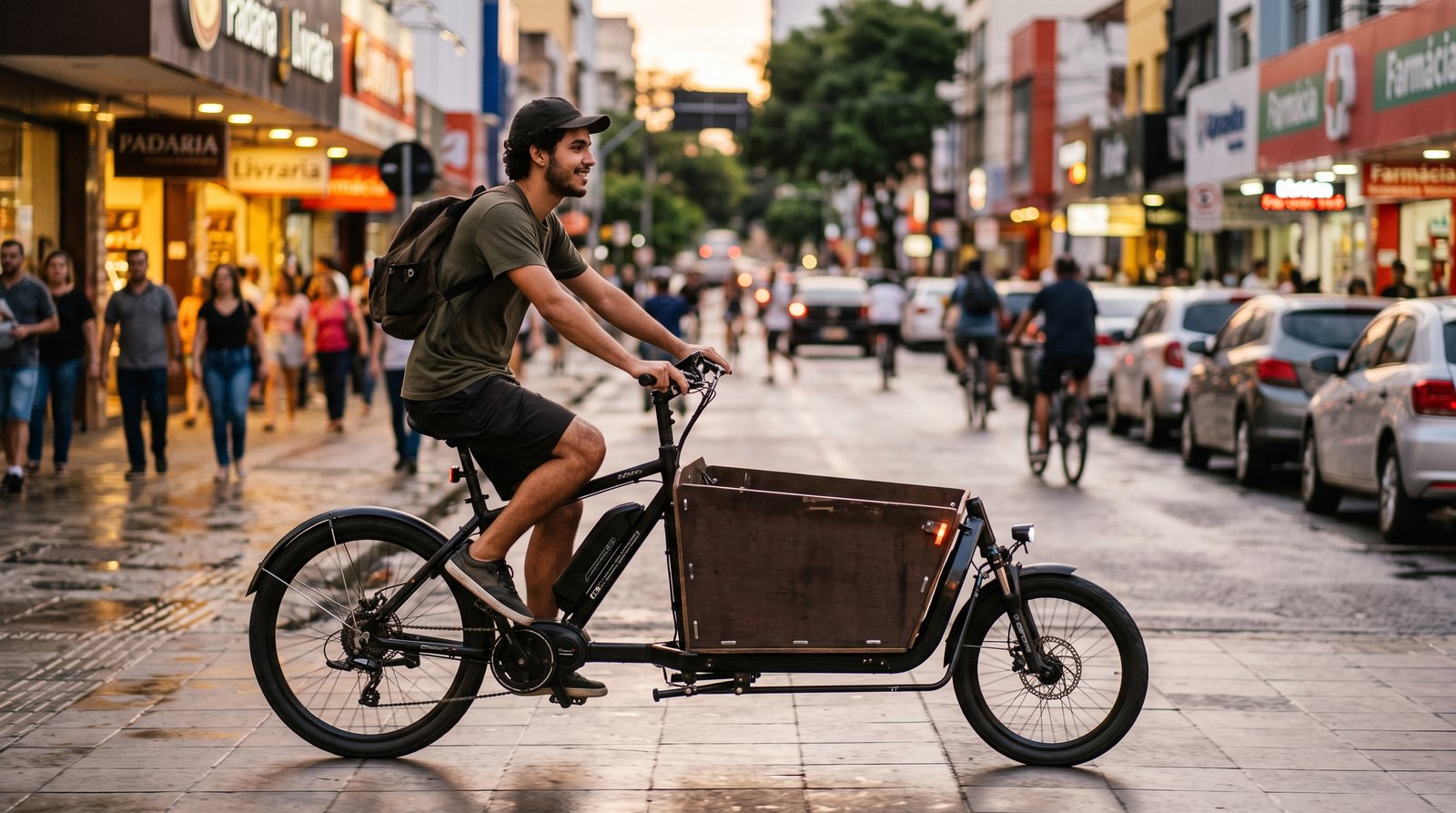
Two electric bicycles can look identical in the catalogue photo, same frame, same battery, same factory price, and even so one of them is a bicycle in the eyes of Brazilian law while the other is a motor vehicle that needs a plate and a licence. The difference fits in three numbers and one detail on the handlebar. Whoever closes the order without knowing them buys a container of trouble, because the trouble only shows up when the customer gets pulled over.
What the electric cargo bike is
The urban e-bike is an ordinary bicycle with a motor in the wheel hub or at the pedal axle, a lithium battery built into the frame and a controller that delivers power in proportion to the rider's effort. The cargo bike is the same engineering stretched out: the frame gains a reinforced bay for the load, at the front between the handlebar and the front wheel, or at the back over a long rack. It is the format replacing the motorbike on short-distance delivery, where the constraint is not speed but traffic, parking and the cost of fuel.
On the resale side, these are two products with two buyers. The urban model sells to individuals, turns over on retail dates and competes on price and design. The cargo model sells to businesses: bakeries, pharmacies, florists, neighbourhood grocers, last-mile logistics operators and app fleets themselves. That second buyer does not buy one unit, it buys a fleet, asks about spare parts and signs again the following year.
Models and variations
It is not one product, it is a whole family, and each format serves a different use and a different budget.
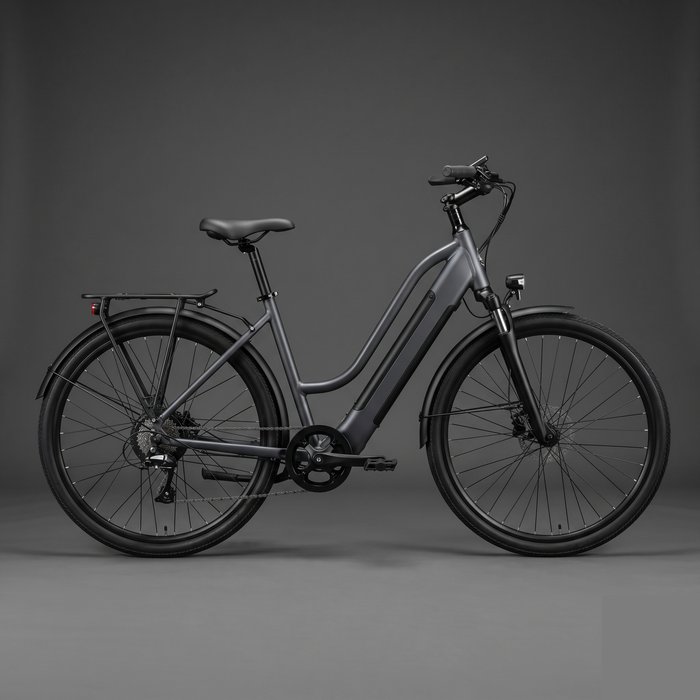
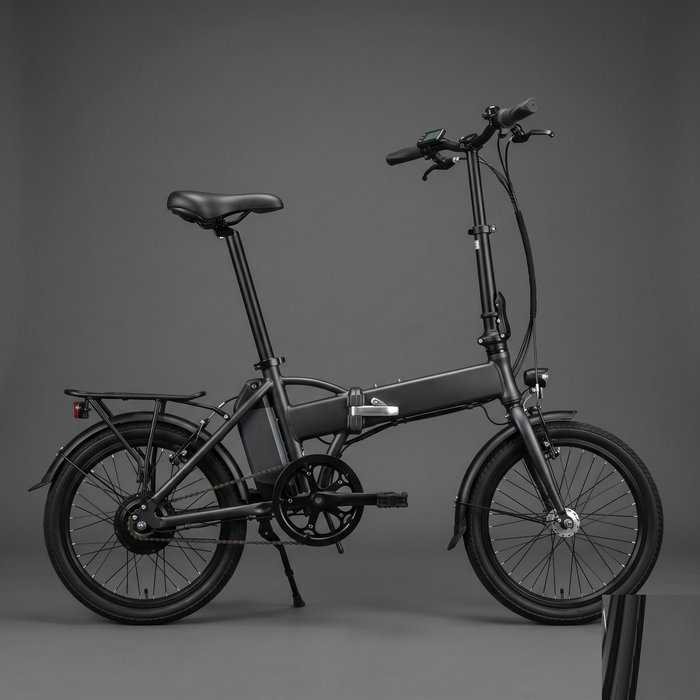
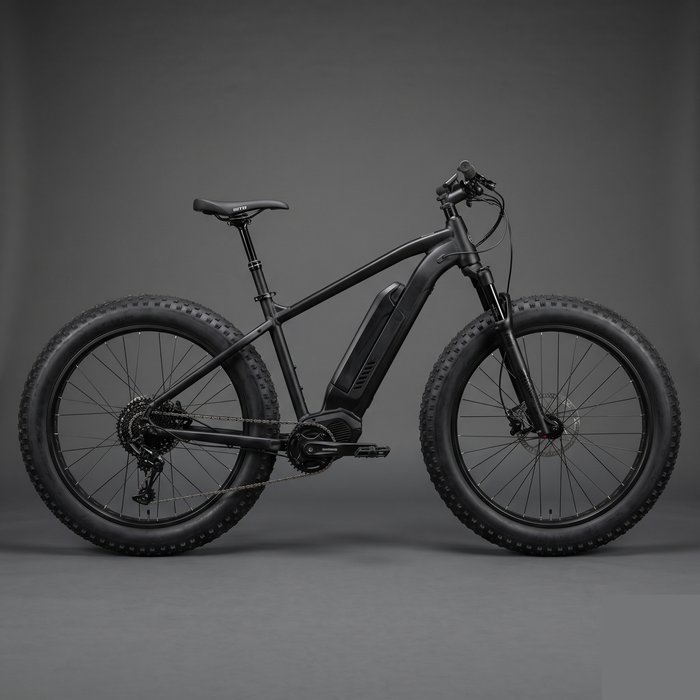
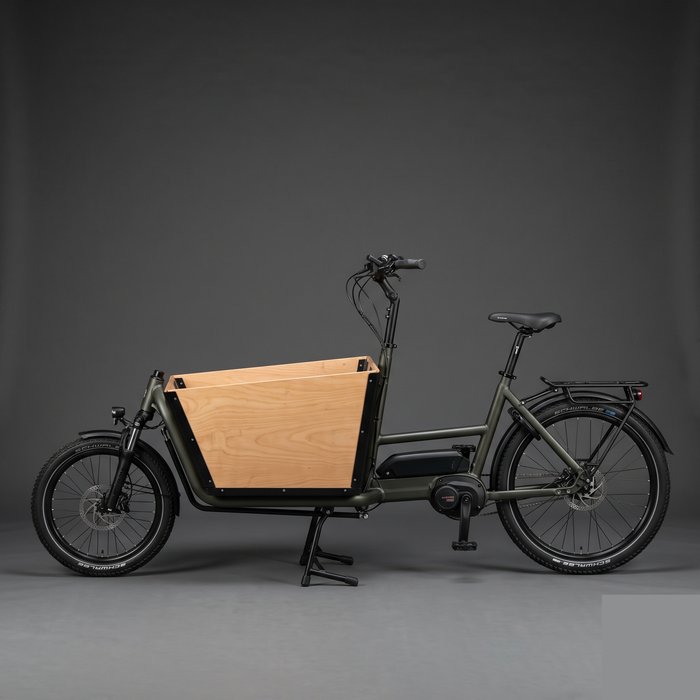
Choosing between those formats means choosing the buyer, and that is where the specification starts to matter more than the factory price.
The line that separates a bicycle from a moped
The rule sits in CONTRAN Resolution 996/2023, which governs the road use of mopeds, electric bicycles and self-propelled personal mobility devices. It defines an electric bicycle as a human-powered vehicle with two wheels, an auxiliary motor with a maximum rated power of 1,000 W, a system that only engages the motor while the rider pedals, no throttle or any other manual power control, and a maximum assisted speed of 32 km/h. With those four items met at once, the electric bicycle is treated as a bicycle, and the resolution itself waives registration, licensing and plating.
Outside that box the conversation changes tone. A moped, in the same resolution, is a two or three-wheeled vehicle with an electric motor of up to 4 kW and a maximum design speed of 50 km/h. It requires registration and licensing with the state traffic authority, which calls for a Traffic Legislation Conformity Certificate, a make, model and version code, and an invoice. Riding it requires a plate and a licence. And there is a detail that lands directly on whoever brings the product in: the resolution puts the RENAVAM pre-registration of mopeds manufactured or imported on the shoulders of the manufacturer, the customs authority and the importer. Whoever imports a batch that qualifies as a moped is not only delivering goods, they are delivering a registration duty that comes with them.
Three specification traps come out of that, and all three are settled in the order, not at customs clearance:
- The throttle on the handlebar. It is the item that sinks the most batches. The Chinese factory throws the twist throttle in as a courtesy, because in its home market that is standard, and on its own it takes the product out of the electric bicycle definition, however weak the motor may be. What the rule does allow without leaving the box is walk assist alone, the mode that pushes the vehicle at up to 6 km/h with the rider walking alongside.
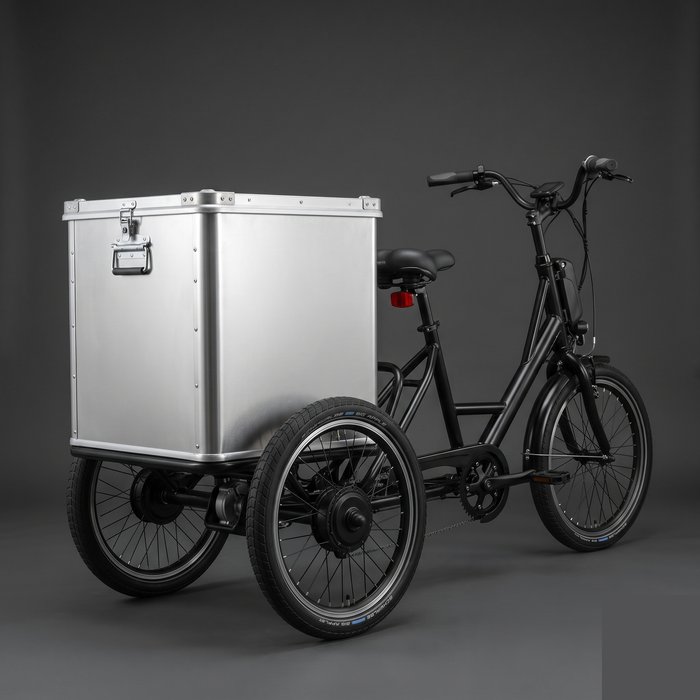
- The third wheel. The electric bicycle definition requires two wheels. The electric cargo trike, however slowly it goes, does not get the bicycle equivalence. It is an excellent product for internal use in gated communities, factories, farms and distribution centres, and that is what the sales material needs to say.
- The 1,500 W motor in the catalogue. The factory's export line usually comes with options above the Brazilian ceiling, because they serve other markets. The number that counts here is the declared rated power, and it has to appear in the test report and on the label, not just in a verbal agreement with the salesperson.
There is also the sporting exception: an electric bicycle intended for sporting use may reach 45 km/h of assistance when riding on highways, motorways or in authorised competition. It is a narrow band, and it is not the one that sustains volume resale.
Why this is an opportunity for Brazil
Demand appeared through the arithmetic, not through the environmental talk. Delivering on pedals came out cheaper than delivering by motorbike within a short radius, and neighbourhood commerce did that maths on its own. On the supply side, most of those selling in Brazil brought in the generic throttle model, which is precisely the one the rule does not treat as a bicycle.
- The right specification becomes a competitive edge: whoever imports the compliant model sells with no small print to the customer who wants neither plate nor licence, and beats the competitor who has to keep the subject quiet.
- Two buyers in the same container: the urban model goes into retail and marketplaces, the cargo model goes into the commercial channel. Mixing the two formats in one order dilutes the risk of dead stock.
- Fleet sales repeat: a company that tests two bikes and approves them buys ten, and comes back for batteries, inner tubes, brake pads and cargo boxes.
- Timing: with a lead time of 60 to 120 days between China and Brazil, an order closed now lands for the summer and the delivery peak, on top of catching the year-end buying window.
- Ready-made content: a loaded cargo bike on a city street is an image that carries itself on social media, and the reseller gets promotional material already made by the shape of the product.
Before importing: the same resolution lists what an electric bicycle must carry in order to ride, and it is a list the factory only meets if the order asks for it: an electronic speed indicator or limiter, a bell, night-time reflectors at the front, rear, sides and on the pedals, a left-hand mirror and tyres in minimum safe condition. The left-hand mirror and the pedal reflectors are exactly the items that vanish from the standard export version. The lithium battery is dangerous goods and changes packaging, paperwork and transport mode, so freight planning comes before closing the order, not after. On certification, there is currently no specific mandatory standard for the battery in these vehicles: INMETRO runs an electromobility working group due to conclude in December 2026, and a bill is going through Congress to make motor and battery certification mandatory, which argues for choosing a factory that already documents cell and BMS testing. Scheduling the pre-shipment inspection handles the rest: on an e-bike, what fails is the battery, the brakes and the welds on the cargo frame.
Put your own brand on it
Importing is not just reselling something generic. The factory puts the customer's brand on the product and on the box, and in a category where almost everyone sells the same frame, it is the brand that takes the conversation away from price.
- Your brand on the product and on the packaging (private label / OEM): logo applied to the frame, the display and the cargo box.
- Colour, finish and the motor, battery and range configuration of your choice, within the limits that keep the product treated as a bicycle.
- Packaging and manual in Portuguese, ready for Brazilian retail, with the compliance information printed rather than improvised in the shop.
Customisation usually calls for a slightly larger minimum order, and BCVN finds the right factory, negotiates the customisation, validates the sample and makes sure the product arrives exactly as you asked for it.
It is worth understanding how this works in practice before requesting the first sample: the guide on own brand in China: private label, OEM and ODM explains the difference between the three models and what each one changes in the minimum order and the lead time.
Where to buy electric bikes and cargo bikes in China
The vehicle, the battery and the accessories sit in different aisles, and visiting all three on the same trip is what closes one complete order instead of three partial ones.
- Canton Fair, Phase 1 (vehicles, machinery and energy): the aisle for bicycles, electric motorbikes and cargo trikes, with the frame and motor factories in the same hall.
- Hong Kong Electronics Fair: this is where the part nobody sees, and which decides the returns, gets discussed: battery cells, BMS, controller and display.
- Yiwu Market: fast-turning accessories to sell alongside, such as helmets, locks, racks, rain capes, panniers and insulated delivery boxes.
Next edition, Canton Fair 2026: Phase 1 runs from 15 to 19 October, in Guangzhou. The autumn Hong Kong Electronics Fair falls from 13 to 16 October and Yiwu from 21 to 24 October, which makes it possible to chain all three into a single two-week trip.
Read the complete guide to the Canton Fair 2026
The category will grow whether or not anyone is ready for it. The difference is that the right order arrives ready to sell, while the wrong one arrives with a throttle nobody asked for, changing the nature of the whole vehicle.
Frequently asked questions about importing electric bicycles
Does an electric bicycle imported from China need a licence plate and a driver's licence?
No, as long as it fits the definition in CONTRAN Resolution 996/2023: two wheels, an auxiliary motor of up to 1,000 W, running only while the rider pedals, no throttle, and assistance capped at 32 km/h. Under those conditions it is treated as a bicycle and is exempt from registration, licensing and plating. If any one of those four items is not met, the product leaves that category and answers to the rules of whatever vehicle it does fit.
What is the maximum power allowed for an electric bicycle in Brazil?
One thousand watts of rated power on the auxiliary motor, with assistance capped at 32 km/h. There is an exception for sporting use, which allows assistance of up to 45 km/h on highways, motorways and authorised competition. Above the general ceiling, the rule treats the vehicle as a moped, capped at 4 kW and 50 km/h and requiring registration, licensing and a driver's licence.
Is a three-wheeled cargo bike an electric bicycle?
No. The definition requires two wheels, so an electric cargo trike does not get the bicycle equivalence, however weak the motor and however low the speed. That does not rule the product out, it changes the buyer: it sells very well for internal use in gated communities, factories, farms, hospitals and distribution centres. For deliveries on public roads with the customer riding freely, the route is the two-wheeled pedal-assist cargo bike with no throttle.