
Brazil is ageing fast, and with it grows a market that depends on neither fashion nor season. Every year, more families have to adapt the house for an elderly relative, more people recover from surgery at home and more home care services open their doors. The ones who profit from that are not only the carers: it is the importer and the distributor who spotted a product line with guaranteed demand, constant repeat purchase and a realistic import route out of China.
What the mobility and home care line is
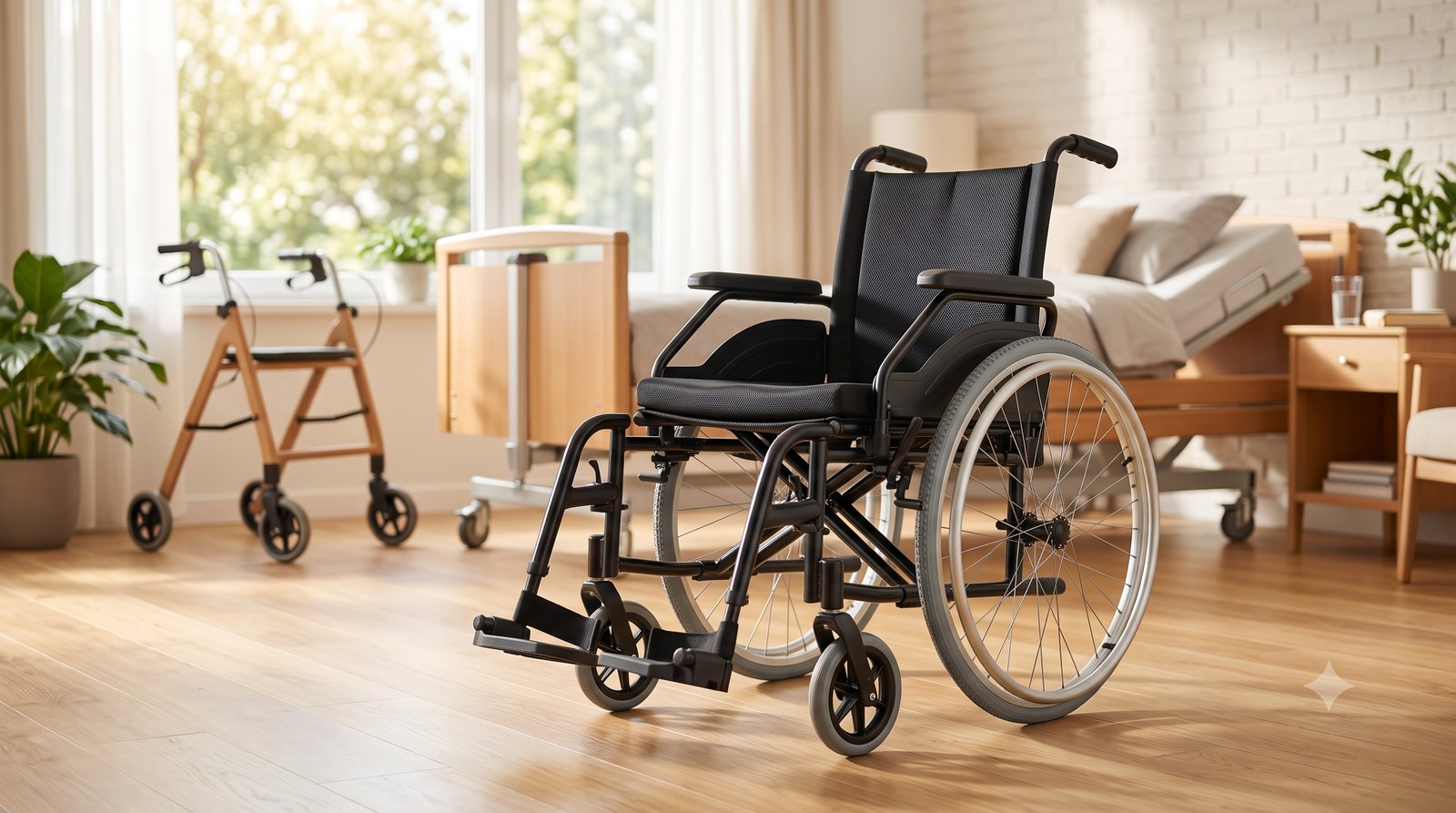
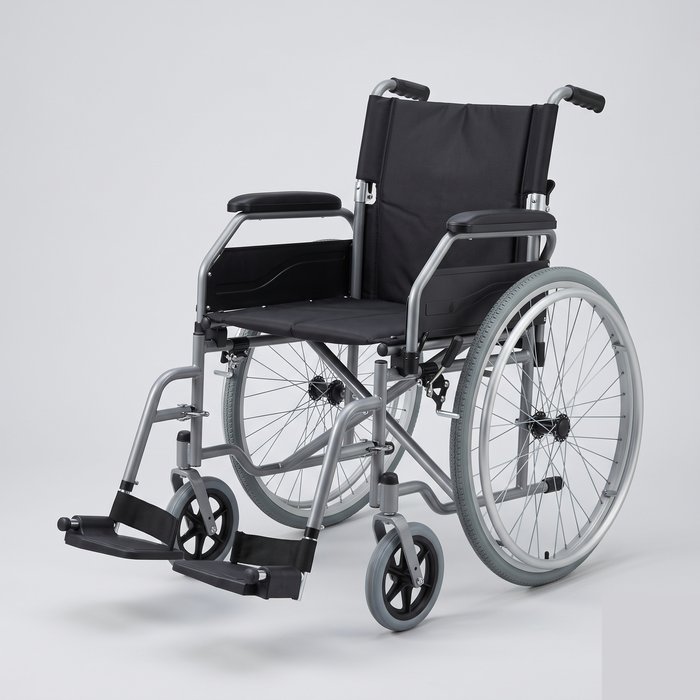
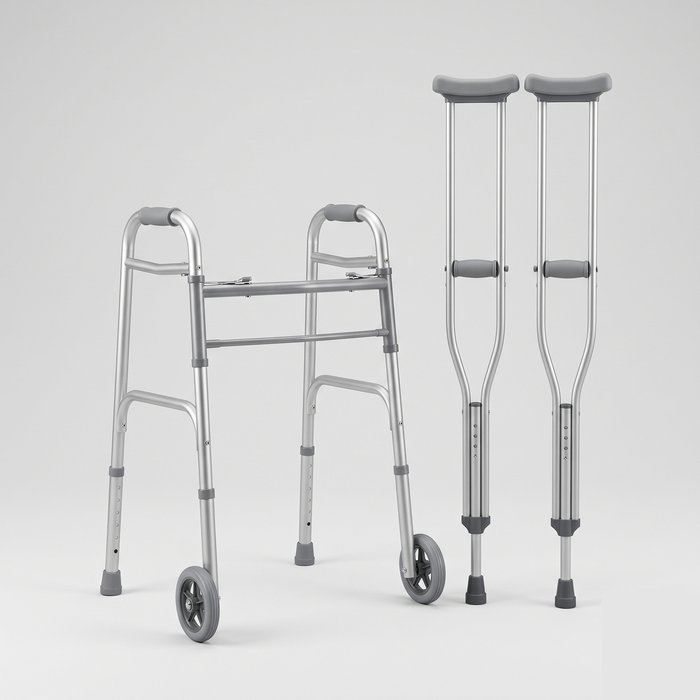
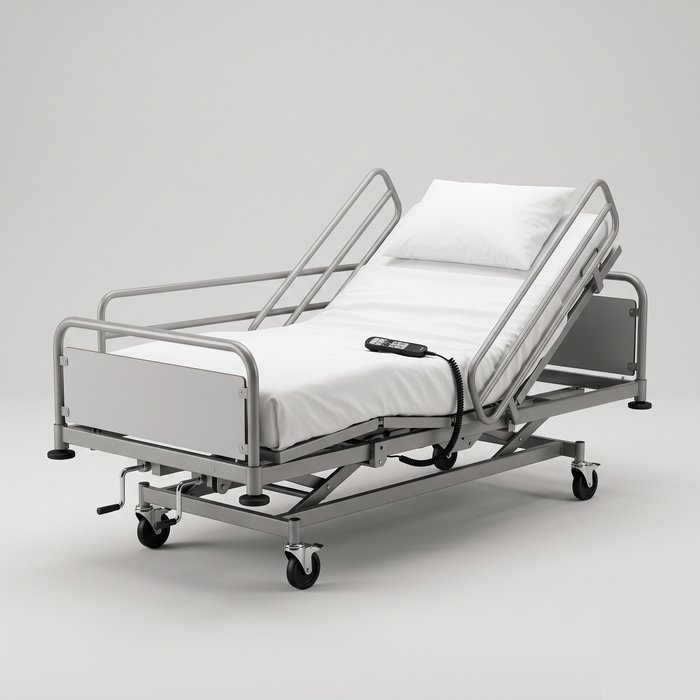
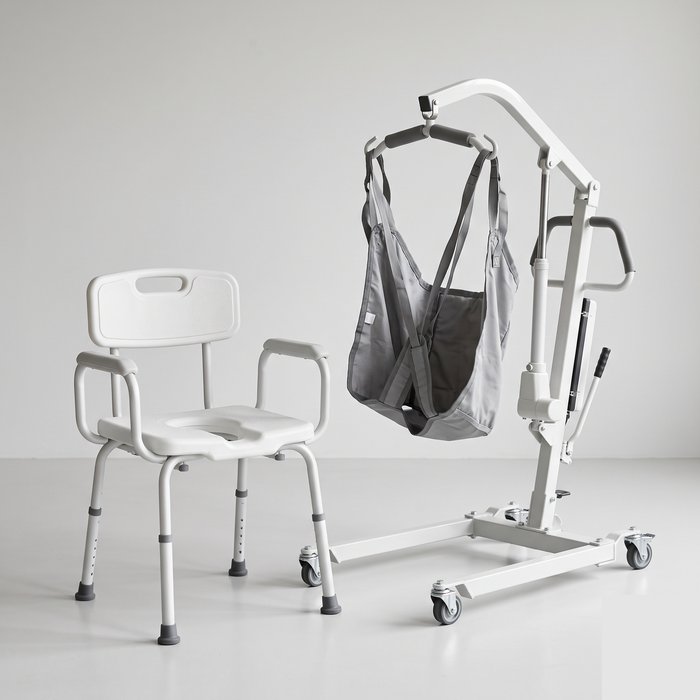
It is the family of mobility and home care equipment that gives independence and safety to anyone with a limitation. At the centre is the wheelchair, manual or powered, and around it a whole line: walkers, crutches, shower chairs, reclining hospital beds and transfer hoists. Each item serves a different moment of care, and together they form a catalogue a distributor sells all year round.
These are not products of unreachable technology, and China concentrates a large part of the world's manufacturing. That is why the line keeps growing: demand that only rises, a wide audience and a replacement chain that keeps the customer loyal.
Models and variations
"Mobility and home care" is not one product. At the Chinese fairs it is a whole hall of items, and each one opens a different customer and a different price bracket in your business:
Why this is an opportunity for Brazil
The ageing of the Brazilian population is one of the fastest in the world, and care has moved out of the hospital and into the home. For the importer, the opportunity is solid and long term: the distributor who wants a better margin, and the entrepreneur who wants to serve medical supply shops, health plans and public tenders.
- Demand guaranteed by demographics: this is not a passing trend. The number of older people grows every year, and with it the demand for mobility and home care.
- Cheap to buy at source: China makes a large share of these items, and the cost at source is far below that of the national distributor, which opens a comfortable margin for whoever imports directly.
- Repeat purchase of parts: tyres, castors, upholstery, batteries and accessories are recurring sales that follow the equipment for years.
- Channels beyond retail: medical supply shops, clinics, home care services, health plans and public procurement widen the outlet for whoever has the right line and the paperwork in order.
Compliance: the care that qualifies the importer
Here it pays to be straight, because part of this line is treated as a medical device, and that changes the game. It is not like importing a consumer item: understanding the rules before buying is what separates whoever builds a solid operation from whoever ends up with stock they cannot sell.
ANVISA: many mobility and home care items require registration or notification with ANVISA to be sold legally. The classification varies by product, and settling that route is a condition for selling to hospitals, distributors and the public sector.
INMETRO and safety: the items with an electrical part, such as motorised beds and battery wheelchairs, involve certification and a voltage check. The structural strength and the load capacity also have to be real, not just on the catalogue.
Not every factory will do: some factories supply the technical documentation for registration, others do not. Buying from the right manufacturer is what makes it feasible to regularise and sell.
After-sales and parts: on equipment that underpins a person's independence, service and replacement parts are not a detail, they are the basis of the customer's trust and of repeat purchase.
The standards vary by product and change over time, so the rule is to confirm the current requirement and the manufacturer's capability before placing the order. That diligence keeps the chancers away and protects whoever does it properly, and it is where the value of a partner who has already walked that road comes in.
Customise the specification (OEM)
Importing from China is not picking the catalogue model and hoping it works out. The manufacturer adjusts the line to your market, and that is where having a partner at source separates whoever resells a commodity from whoever builds a serious operation.
- The right models and capacities: manual chair, powered, bariatric, paediatric, and the bed and walker variations your customer asks for.
- Your brand on the line (private label / OEM) and a manual in Portuguese, for the distributor who wants an identity of their own.
- Documentation, after-sales and parts agreed at purchase: what makes registration feasible and sustains replacement for the years that follow.
That calls for negotiating directly with the factory and validating a sample before the batch. BCVN finds the right manufacturer, closes the specification, validates the documentation and makes sure the after-sales really exists, and not only in the proposal.
Where to buy mobility and home care in China
China is one of the largest manufacturing hubs for rehabilitation equipment, and the line turns up at the big machinery fairs and, above all, at the medical ones:
- Canton Fair, Phase 1 (Machinery and Equipment): a good starting point, with equipment manufacturers and the chance to compare models side by side.
- CMEF (China International Medical Equipment Fair): the largest medical and rehabilitation equipment fair in China, where the sector's leading manufacturers are, along with those geared up for regulated export. It is the sector fair that goes deeper into what the Canton Fair introduces.
Next edition, Canton Fair 2026 (140th): Phase 1, with machinery and equipment, runs from 15 to 19 October 2026, at the Pazhou complex in Guangzhou. It is the chance to compare manufacturers and test the quality in front of you, and BCVN can combine the schedule with visits to the right factories.
Read the complete guide to the Canton Fair 2026
Mobility and home care is not the flashiest find in the Showcase, but it is one of the most solid. It is a market held up by demographics, with constant repeat purchase and channels that run from retail to public procurement. For the Brazilian importer, the question is not whether the demand exists, but buying the right line, from the manufacturer that supplies the documentation, with the after-sales that sustains the trust of people who depend on the product every single day.
Frequently asked questions about importing mobility and home care
Do I need registration to import wheelchairs and home care items?
Yes. Many mobility and home care items are treated as medical devices and may require registration or notification with ANVISA, on top of INMETRO certification for the items with an electrical part, such as motorised beds and chairs. The rules vary by product, so confirm the current requirement and the manufacturer's ability to supply documentation before importing. BCVN guides you through that route.
What is the difference between a manual wheelchair, a powered one and the other mobility aids?
The manual chair is pushed by the user or a companion and is the most affordable. The powered one has a battery and a motor, for greater independence. Around them there is a whole home care line: walkers, crutches, reclining hospital beds, shower chairs and transfer hoists. Each item serves a different moment of care.
How much does it cost to import wheelchairs from China?
The cost at source is a fraction of the price charged at retail and by distributors in Brazil, which opens a margin for resale and for serving public tenders and health plans. The figure varies with the type (manual, powered, bariatric, paediatric) and with the material. BCVN quotes the right line and the spare parts support.
Where can I find mobility and home care suppliers in China?
At the Canton Fair (Phase 1, equipment) and, above all, at CMEF, China's big medical and rehabilitation equipment fair. BCVN validates the manufacturer, the ability to supply documentation for registration, the after-sales and the parts.