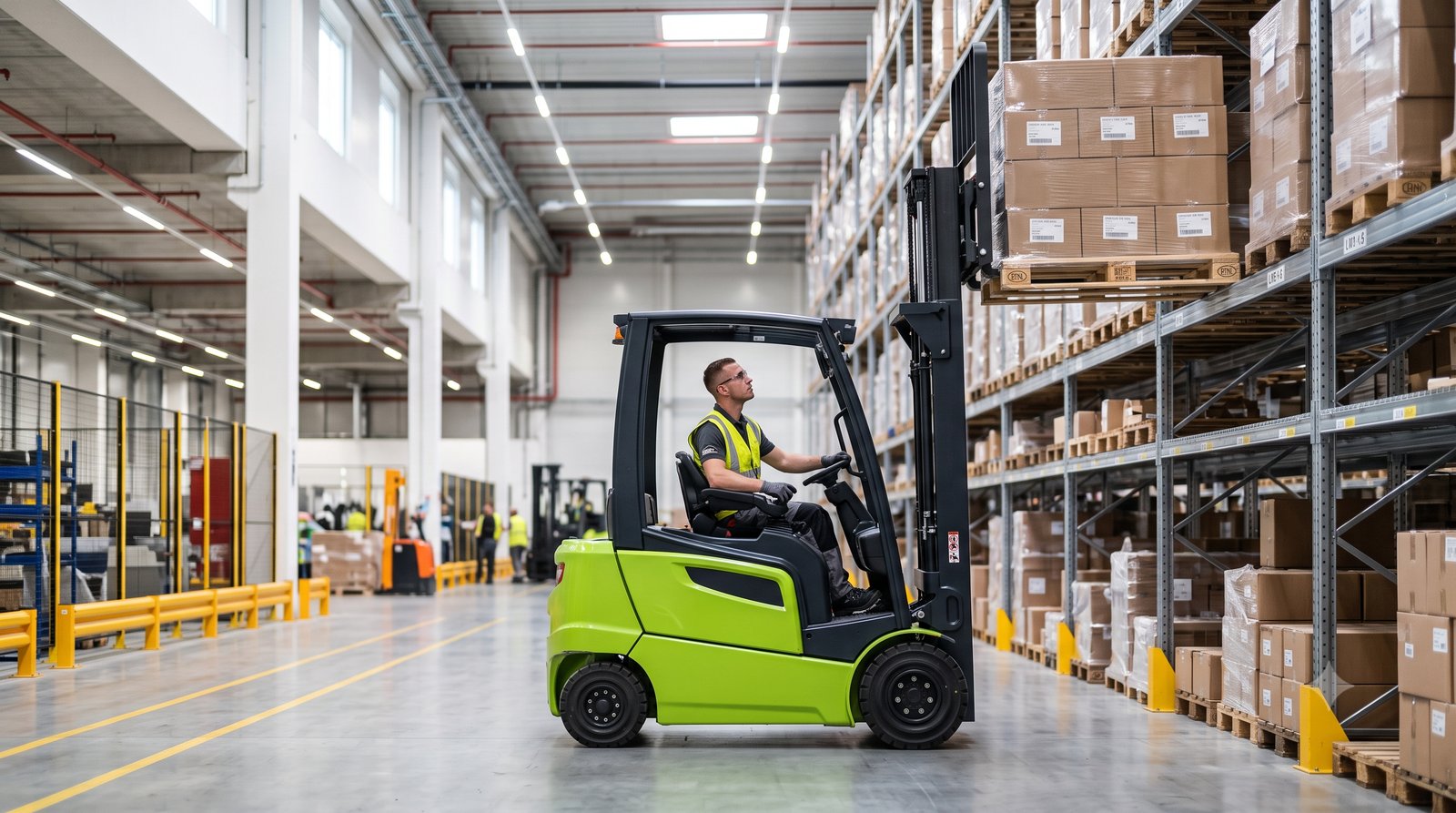
Logistics has become the heart of almost every business: whoever sells online, whoever distributes, whoever produces, they all depend on moving load fast and without breakages. Doing that by hand does not scale, it costs dearly in labour and it is the biggest source of accidents and sick leave in the warehouse. The electric forklift swaps human effort for controlled movement, and the company kitting out the operation is not the only one who sees the opportunity. It is the logistics equipment reseller who worked out that China makes this entire line, from the pallet truck to the large machine, at a price that opens up the market in Brazil.
What electric forklifts and pallet trucks are
It is the family of machines that moves and stacks palletised load without physical effort, running on batteries. It goes from the electric pallet truck, which drags the pallet at floor level, to the counterbalance forklift, which lifts tonnes several metres up, all running on batteries instead of combustion. China is today the largest manufacturer of this equipment in the world, and that is what makes it possible to equip a warehouse without the cost of ready-made imported machinery.
Models and variations
"Forklift" is not one single product. In the aisles of the machinery fair it is a whole universe, and it is that variety that makes the trip worthwhile, because each type suits a weight, a height and a space:
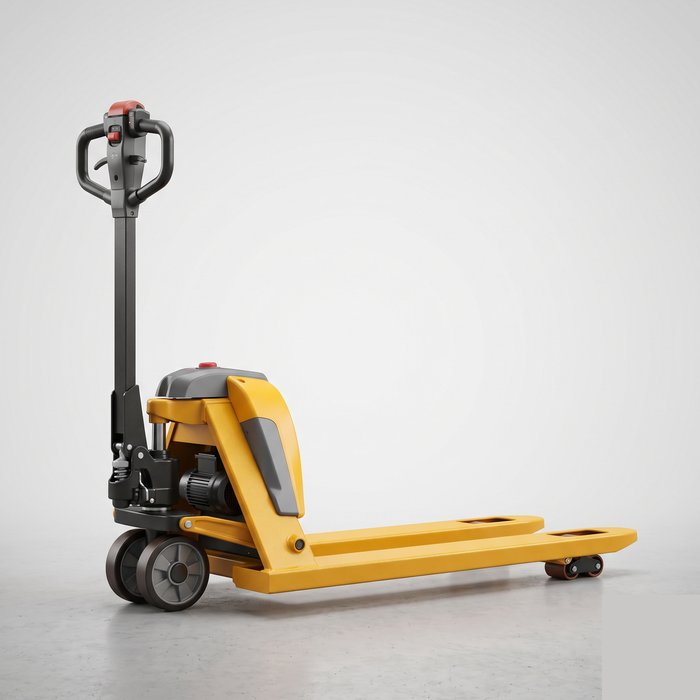
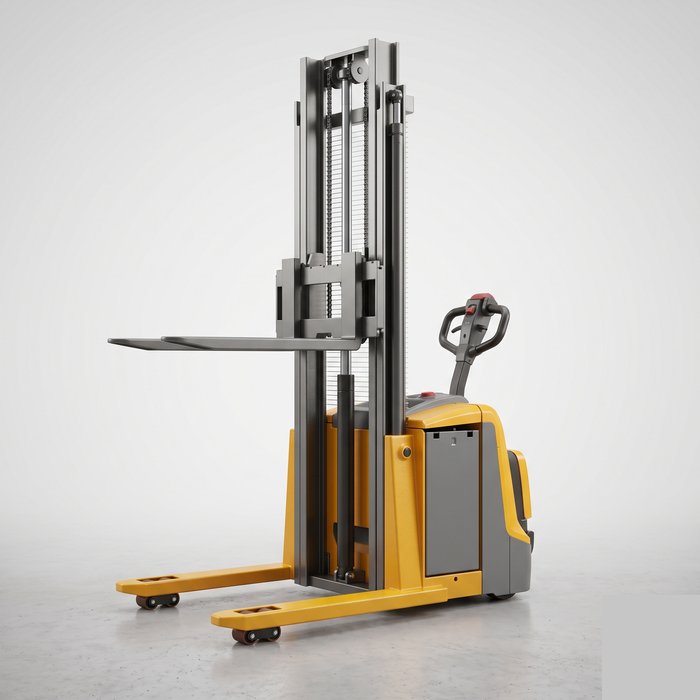
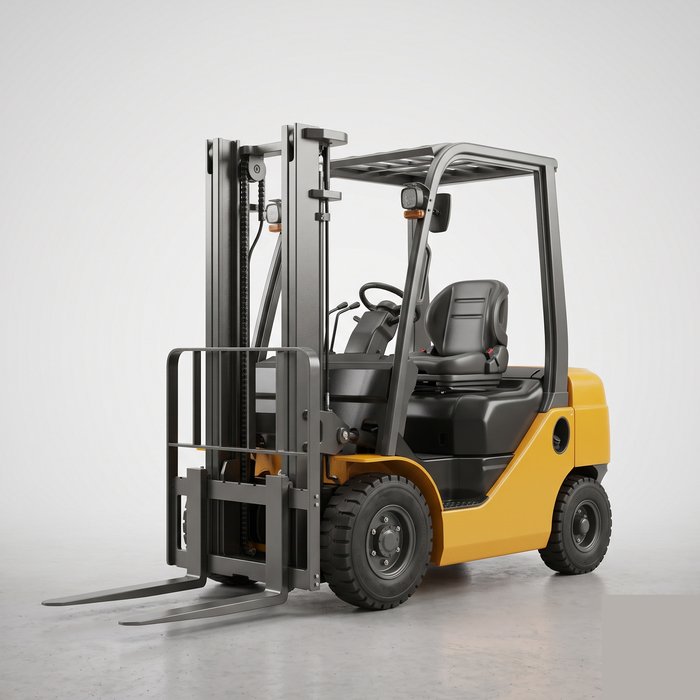
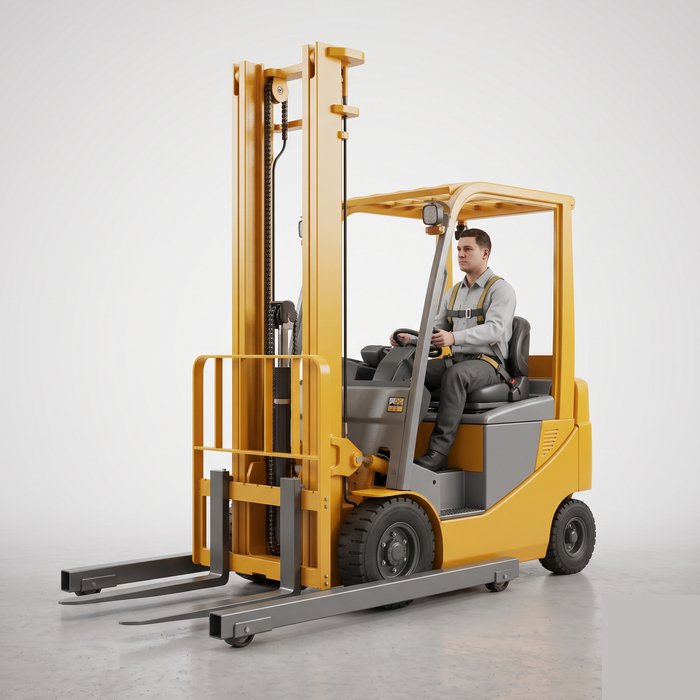
It is this set that decides the operation. The pallet truck solves horizontal transport; the stacker lifts in a tight space; the counterbalance is the workhorse for high and heavy loads; the reach truck makes the most of narrow aisles and tall racking. Seeing the machines running, at source, is what shows which combination suits your warehouse.
Why this is an opportunity for Brazil
The e-commerce and logistics boom in Brazil has created a rush for equipped warehouses, and the cost of branded machinery is a brake on it. At the same time, the migration from combustion forklifts to electric ones, cleaner, quieter and cheaper to run, opens a window for fleet renewal. Chinese equipment comes in at exactly that point.
- ROI you can calculate: this is not an impulse product. The buyer knows the labour saved, the speed gained and the drop in accidents. It is the most rational purchase there is, decided on numbers.
- The price gap equips more operations: the saving between branded equipment and direct imports is what puts a forklift within reach of the small and medium haulier, an enormous market.
- Repeat business built in: batteries, chargers, wheels, forks and spare parts wear out and come back. Whoever imports the machine keeps the consumables and the servicing, revenue that repeats.
- Qualified, loyal leads: the buyers are logistics equipment resellers, hauliers, distribution centres and industry, a high value customer with a long relationship.
- Timing: the typical lead time for machinery is 60 to 120 days. Whoever closes at the October fair has the fleet ready for the following end-of-year peak.
Before importing: it is materials handling machinery with moving parts and it has to meet NR-12 (guards, safety system and emergency stop), or it risks being shut down by a labour inspection. The electrical side and the charger may require INMETRO, and the lithium battery counts as dangerous goods in transport. Confirm the load capacity and the charger voltage. This is a case where inspecting before shipment confirms the hydraulic system, the battery and the guards. See also how to import industrial equipment from China.
Customise the specification (OEM)
Importing a forklift from China is not a matter of picking the catalogue model and switching it on. The equipment has to be specified, and that is how you guarantee it suits the operation and the standard:
- Capacity and height: the load in kilos, the lift height and the battery type (lithium or lead-acid) have to match the operation. Getting the sizing wrong means a machine that does not lift what it needs to, or money standing idle.
- Voltage and standards: the charger at the right voltage, NR-12 and the manual in Portuguese, all settled before the batch.
- Battery and servicing: the supply agreement for batteries, chargers, parts and technical support, which is what keeps the fleet running for years.
- Own brand: where it fits, the distributor can put their own brand (private label/OEM) on the equipment, with BCVN negotiating the customisation and validating the sample.
That calls for direct negotiation with the factory and a sample validated before production. BCVN finds the right manufacturer, specifies the line, guarantees compliance and validates the support.
Where to buy forklifts in China
Materials handling equipment is concentrated at the heavy machinery fair and in the industrial hall of the universal fair:
- Bauma China (construction and heavy machinery, Shanghai): the country's big machinery fair, where the manufacturers of forklifts and materials handling equipment show complete ranges. It is where you go deeper into the segment.
- Canton Fair, Phase 1 (Machinery and Equipment): from 15 to 19 October, a good starting point, with machinery in the industrial section and the chance to see the equipment running.
- Guide to industrial equipment: the step by step of importing machinery from China, from the project to customs clearance.
Next edition, Canton Fair 2026 (140th): Phase 1, with machinery and equipment, runs from 15 to 19 October 2026, at the Pazhou Complex in Guangzhou. BCVN combines the Canton schedule with a visit to Bauma China and to the right factories. See the full 2026 trade fair calendar.
It is also worth looking at workshop equipment (lifts and scanners), which completes the heavy structure of an operation.
The forklift is not the lightest import in the Showcase, and that is precisely why it rewards whoever goes to source. You do not buy just any machine, you buy the right capacity, the right battery, the NR-12 guards and a manufacturer who will guarantee the part next year. For anyone moving load in Brazil, it is the difference between carrying it by hand and operating with speed, safety and margin.
Frequently asked questions about importing forklifts
Does a forklift imported from China need certification?
Yes. It is materials handling equipment with moving parts and it has to meet NR-12, with guards, a safety system and an emergency stop, or it risks being shut down by a labour inspection. The electrical side and the charger may require INMETRO certification, and the lithium battery also counts as dangerous goods in sea freight. Confirm the charger voltage and the load capacity before importing.
What is the difference between a forklift, a pallet truck and a straddle stacker?
The electric pallet truck moves the pallet at floor level, it is the simplest one and it covers horizontal transport inside the warehouse. The straddle stacker lifts the pallet to medium heights and is compact, good for racking and tight spaces. The counterbalance forklift is the complete machine, with a seated operator, that lifts high and heavy loads. The reach truck works in narrow aisles and tall racking. The choice depends on the weight, the height and the space.
Why does importing electric forklifts from China pay off?
China is the world's largest manufacturer of materials handling equipment and the price at source is a fraction of what is charged in Brazil, at a moment when e-commerce and logistics are driving demand for equipped warehouses. Beyond the machine itself, there is recurring sales of batteries, chargers, parts and servicing. For the logistics equipment reseller it is a high value line and a long-term relationship with distribution centres, hauliers and industry.
Can I import just one forklift to test?
BCVN is an import consultancy for companies and resellers, not a retail shop, and does not sell single units. Import maths only works on volume: freight for the equipment and paperwork are diluted across the batch, and every factory works to a minimum order quantity (MOQ). Anyone who wants a single unit should buy from a distributor in Brazil; anyone who is going to resell, represent the brand or equip a logistics operation imports at source, and that is where the savings really show up.
Where do you buy forklifts in China?
At Bauma China, the big construction and heavy machinery fair in Shanghai, where the manufacturers of forklifts and materials handling equipment are, and at the Canton Fair, Phase 1 (15 to 19 October), which brings the machinery together in the industrial section. BCVN validates the manufacturer, the load capacity, INMETRO, NR-12, the battery and the parts supply.