
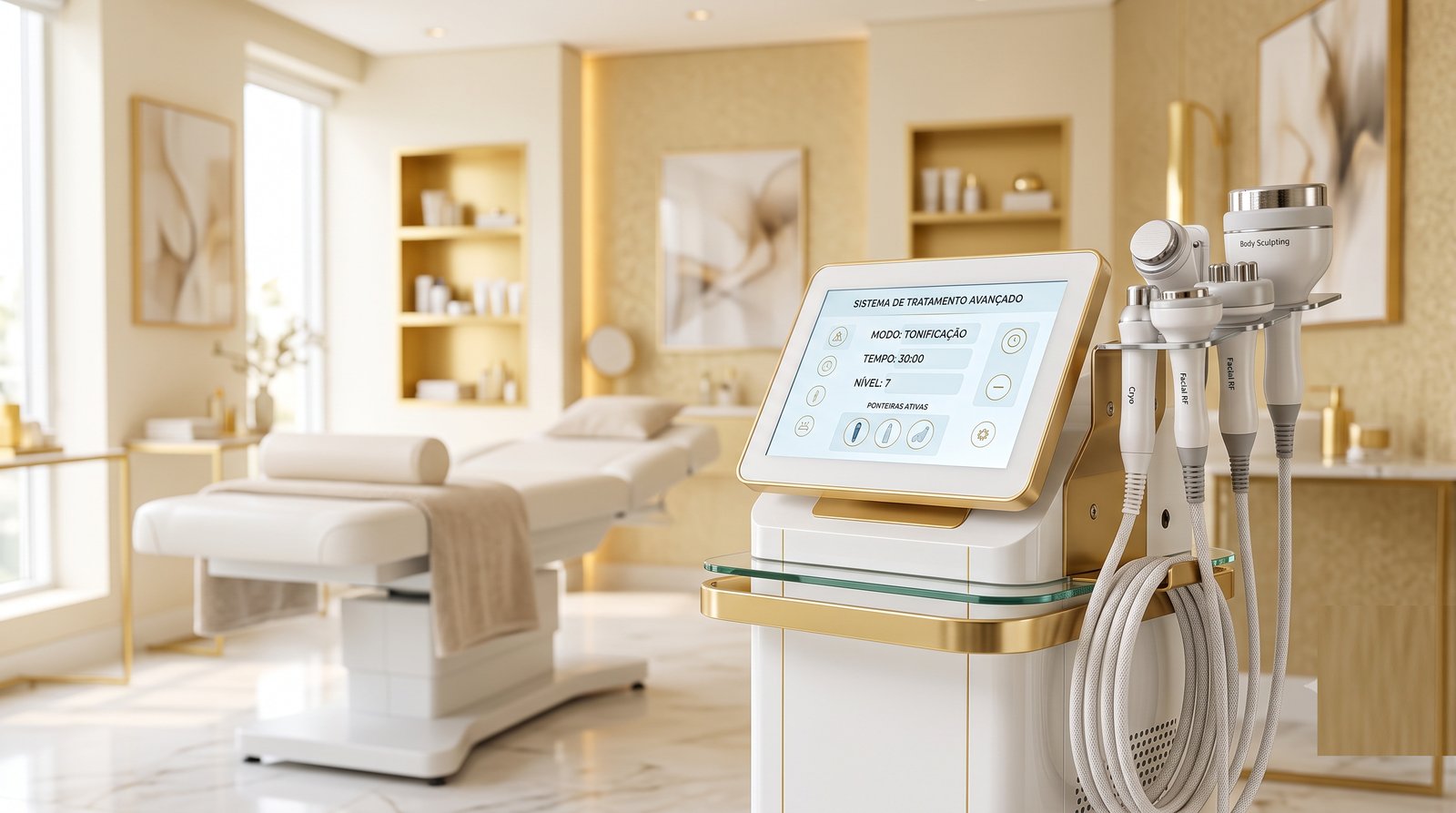
Aesthetics has become one of the fastest-growing businesses in Brazil, and the arithmetic of a clinic has moved up a level. A single cryolipolysis or HIFU device sustains a whole diary of expensive procedures, at a margin few sectors offer. Except the ones who really profit from that wave are not only the clients on the couch: they are the clinic owner and the distributor who understood that China makes these machines for a fraction of the price charged here, provided you buy the right machine, the right way.
What aesthetic equipment is
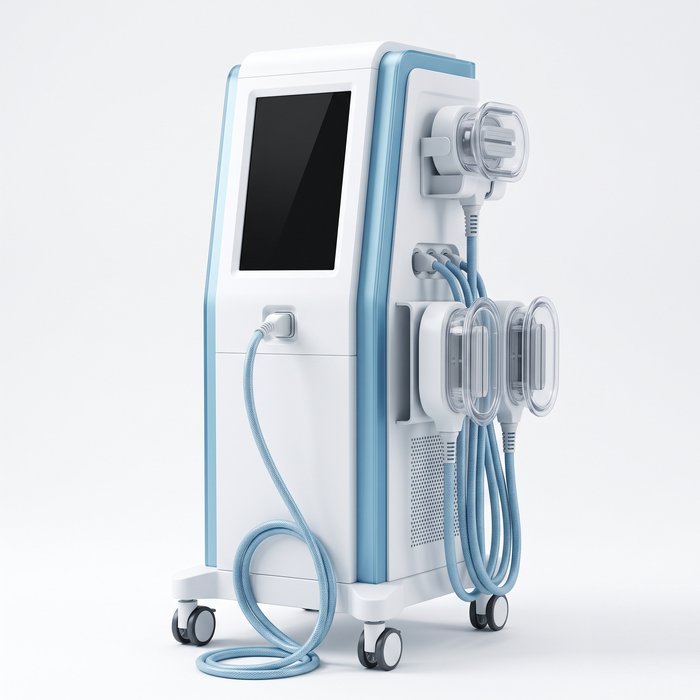
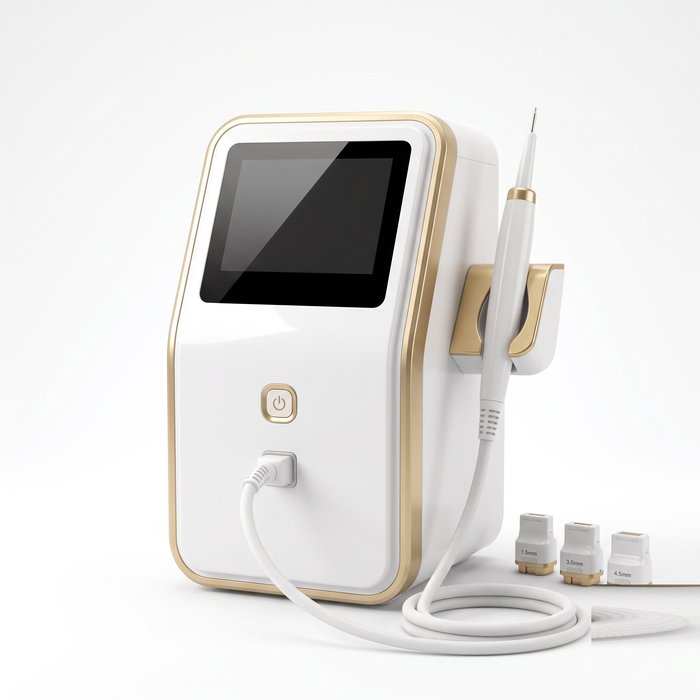
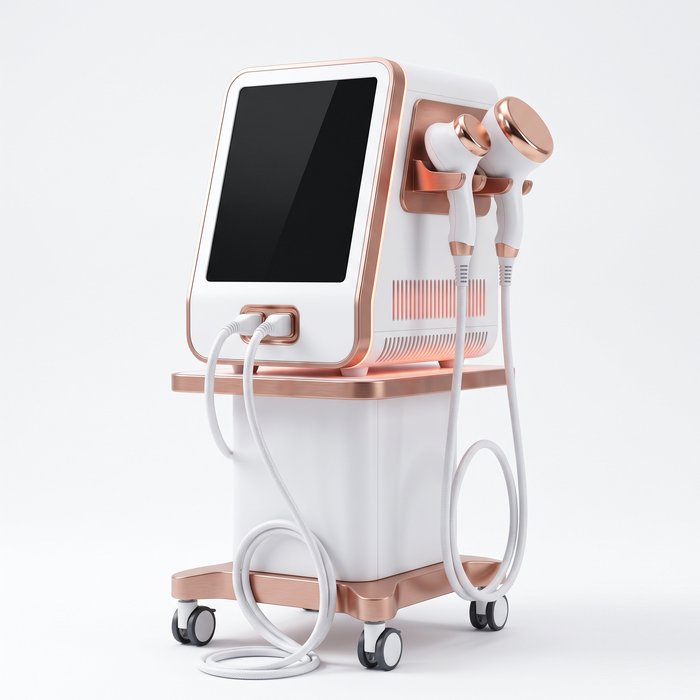
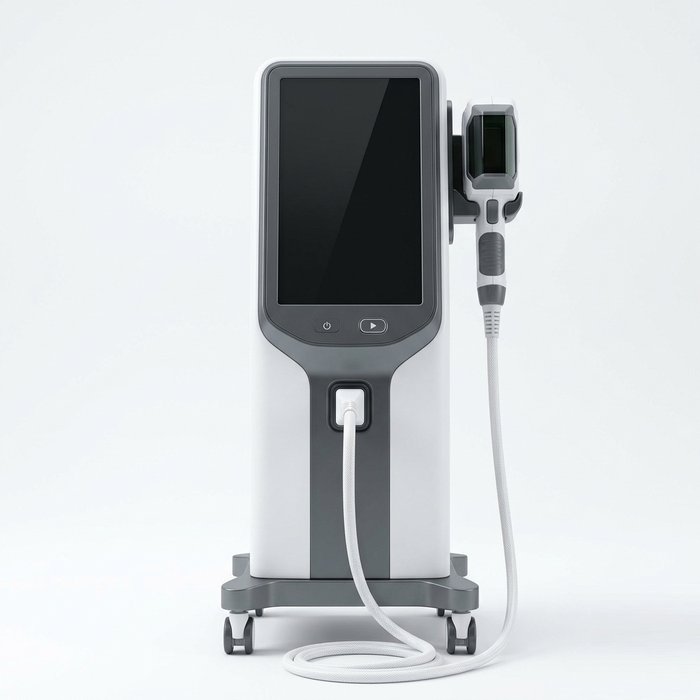
It is the family of non-invasive body and facial aesthetic devices used in clinics and beauty centres. Each technology tackles one demand: cryolipolysis works on localised fat with controlled cold, HIFU uses focused ultrasound for a lifting effect, radiofrequency heats the skin to stimulate firmness, and the laser devices cover everything from hair removal to lipolysis. These are high-value procedures, and that is why the machine is an investment, not an expense.
Models and variations
"Aesthetic equipment" is not one product. At the Chinese fairs it is a whole hall of technologies, and each one opens a different service and a different client bracket in your clinic:
Why this is an opportunity for Brazil
Brazil is one of the largest aesthetics markets in the world, with a body-care culture that only grows. For the importer, the opportunity is twofold: the clinic owner who wants to equip at a far lower cost, and the distributor who wants to resell and support a network of clinics.
- A high margin ceiling: the procedure is expensive and recurring, and a well-chosen machine pays for itself quickly. Few investments in a clinic bring that kind of return.
- Cheap to buy at source: China concentrates a large part of the world's manufacturing of these devices, and the cost at source is far below that of the already-nationalised equipment.
- An extremely qualified lead: the buyer is a clinic owner or a health-sector distributor, an extremely high-value client with a long-term relationship, who comes back for handpieces, consumables and new devices.
- The barrier is the filter: the regulatory requirement keeps the chancers away and protects whoever does it properly. Being serious about compliance is not a cost, it is your competitive advantage.
Compliance: the machine you do not buy carelessly
Here we have to be direct, because this is the most regulated segment on the track, and glossing over it would be a disservice. Aesthetic equipment is not consumer electronics: it acts on people's bodies, and Brazil treats that strictly. Understanding the rules before importing is what separates whoever builds a legal operation from whoever ends up with an expensive machine sitting in the warehouse.
ANVISA, the central point: aesthetic equipment is usually classified as a medical device and requires registration or notification with ANVISA to be sold and used legally. Without that route settled, the machine cannot be used in the clinic, however good it is.
Not every factory will do: and this is the detail that breaks many importers. Some Chinese factories do not supply the technical documentation needed for registration in Brazil. Buying from the wrong manufacturer means a machine that can never be regularised.
INMETRO and voltage: because these are electrical devices, there are electrical safety requirements and a voltage check (110V, 220V or three-phase) for your region.
After-sales and parts: on an aesthetic device, technical support and the supply of handpieces and parts are not a detail, they are what keeps the service running and the clinic earning.
The standards change and the details vary by type of equipment. The golden rule is to confirm the current requirement and the manufacturer's capability before placing the order. The barrier frightens the amateur, but it is exactly where the value of having a partner lies: importing from the right manufacturer, with the documentation under way, turns a barrier into a moat that protects your business from unprepared competition.
Seeing and testing at source: the safest decision
It is for all these reasons that this is the find that most calls for one thing: going to China to see the machine before buying. Aesthetic equipment is too expensive and too regulated to be closed on a catalogue photo. Seeing the device switched on, testing the applicators, feeling the finish, comparing two or three manufacturers side by side and checking, in person, whether the factory has the documentation and the after-sales structure your registration will demand: that is not tourism, it is the diligence that protects a large investment.
That is exactly what the BCVN Canton Fair Mission exists for. BCVN takes the importer to the fair and to the factories, helps tell the serious manufacturer from the improvised one, validates the ability to supply documentation for registration and follows the negotiation and the inspection. Getting to know the product at source, with a partner who has walked that road dozens of times, is the safest way into a high-value segment without walking into a trap.
Customise the specification (OEM)
Importing machinery from China is not picking the catalogue model and hoping it works out. The manufacturer adjusts the equipment to your market, and that is where having a partner at source separates whoever resells a commodity from whoever builds a serious operation.
- The right voltage, applicators and software: 110V, 220V or three-phase, the heads and handpieces your service needs and the interface in Portuguese.
- Your brand on the equipment (private label / OEM), for the distributor who wants to build a line of their own.
- Documentation, after-sales and training agreed at purchase: what makes registration, maintenance and correct use in the clinic feasible.
That calls for negotiating directly with the factory and validating a sample before the batch. BCVN finds the right manufacturer, closes the specification, validates the documentation and makes sure the after-sales really exists, and not only in the proposal.
Where to buy aesthetic equipment in China
China is one of the largest manufacturing hubs for these devices, and they turn up at the big machinery fairs and, above all, at the medical fairs:
- Canton Fair, Phase 1 (Machinery and Equipment): a good starting point, with manufacturers of equipment and electromedical devices, and the chance to see the device running.
- CMEF (China International Medical Equipment Fair): the largest medical and aesthetic equipment fair in China, where the sector's leading manufacturers are, along with those geared up for regulated export. It is the sector fair that goes deeper into what the Canton Fair introduces.
Next edition, Canton Fair 2026 (140th): Phase 1, with machinery and equipment, runs from 15 to 19 October 2026, at the Pazhou complex in Guangzhou. It is the chance to see and compare the devices in front of you, and BCVN can combine the schedule with visits to the right factories.
Get to know CMEF, the medical and aesthetic equipment fair
Read the complete Canton Fair 2026 guide
Aesthetic equipment is not the easiest find in the Showcase, and that is exactly why it is one of the most valuable. The regulatory barrier that keeps the unwary away is the same one that protects the margin of whoever does it properly. For the Brazilian importer, the question is not whether the market wants the product, but buying the right machine, from the manufacturer that supplies the documentation, after seeing the device running at source. It is a decision made by someone who treats the clinic as a business, and importing as a strategy.
Frequently asked questions about importing aesthetic equipment
Do I need registration to import aesthetic equipment such as cryolipolysis and HIFU?
Yes, and this is the most important point. Aesthetic equipment is usually treated as a medical device and requires registration or notification with ANVISA to be sold and used legally in Brazil, on top of electrical certification (INMETRO) and a voltage check. Not every Chinese factory supplies the documentation needed for that registration. So confirm the current requirement and the manufacturer's capability before importing.
Why visit China before buying an aesthetic machine?
Because it is a high-value investment with a high regulatory risk. Seeing the machine running, testing the applicators, comparing manufacturers and validating the technical documentation at source is the safest way not to import equipment you will not be able to register, use or service. BCVN organises that visit to the fairs and factories and follows the validation.
What is the difference between cryolipolysis, HIFU and radiofrequency?
They are different technologies for non-invasive aesthetic procedures. Cryolipolysis applies controlled cold to localised fat, HIFU uses focused ultrasound for a lifting effect, and radiofrequency heats the layers of the skin to stimulate firmness. Many clinics work with more than one in order to offer a menu of treatments.
Where can I find aesthetic equipment suppliers in China?
At the Canton Fair (Phase 1, machinery and equipment) and, above all, at CMEF, China's big medical and aesthetic equipment fair. BCVN validates the manufacturer, the ability to supply documentation for registration, the after-sales and the parts.