
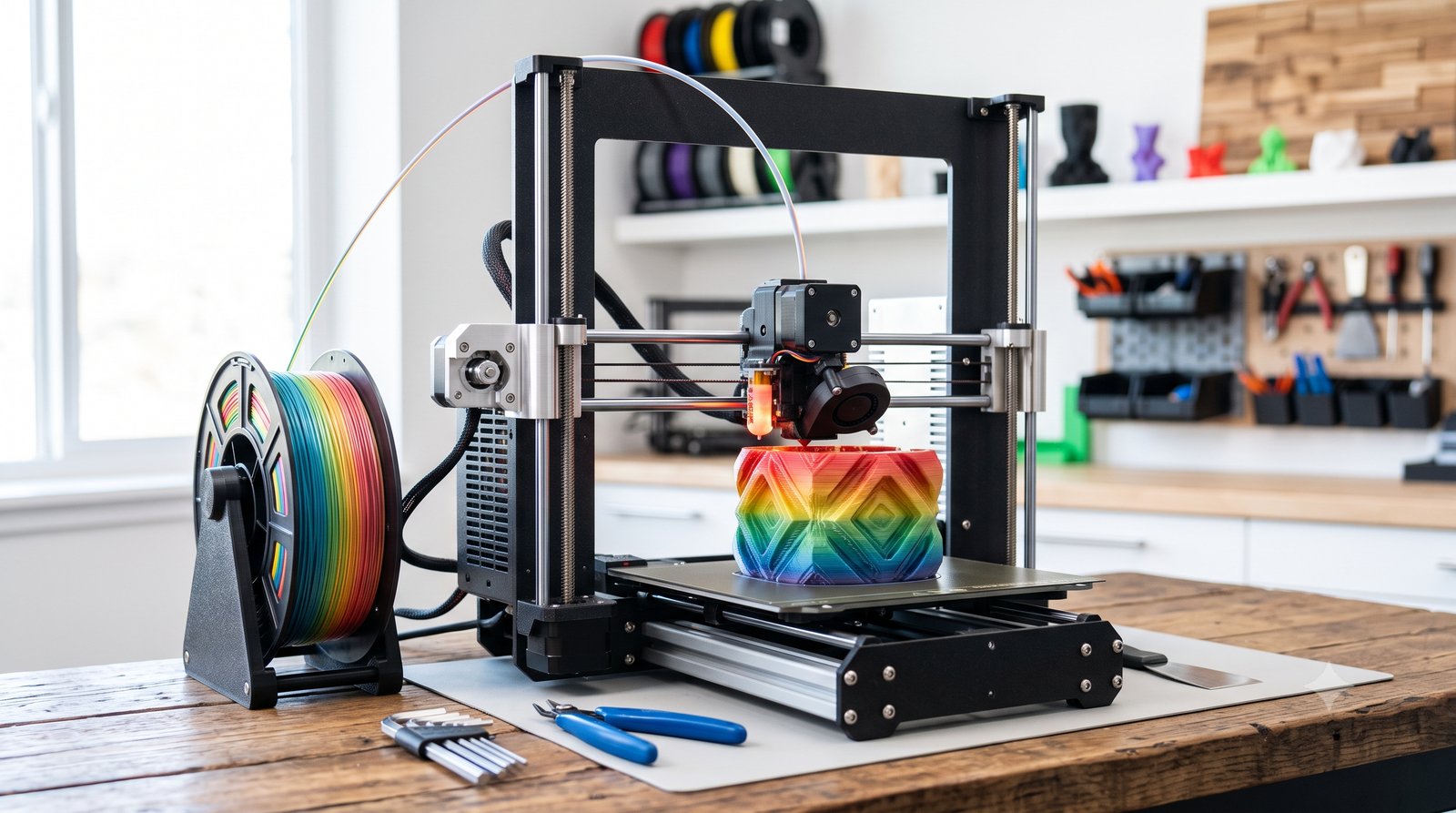
There is a kind of product that sells through the hypnosis of the demonstration, and 3D printing is the perfect example: watching a machine build an object on its own holds anyone's attention. Except that the person profiting from that fascination is not the maker printing at home. It is the retailer and the reseller who worked out that China dominates the manufacture of these machines, that the Brazilian audience of makers, schools and small businesses only keeps growing, and that every printer sold opens up the repeat purchase of filament that never runs out.
What a desktop 3D printer is
It is the machine that builds physical objects layer by layer from a digital model. The two big families are the filament (FDM) one, which melts plastic and lays it down, and the resin one, which cures liquid resin with light and delivers high detail. It serves the hobbyist, the content creator, the school, the dentist, the repair shop and the small business that makes parts and promotional items on demand. China is the source of most of these machines, at a price that lets the reseller build a range from the entry-level model up to the professional one.
Models and variations
A “3D printer” is not one single product. At China's technology fairs it is an entire shelf, and each type serves an audience and a use:
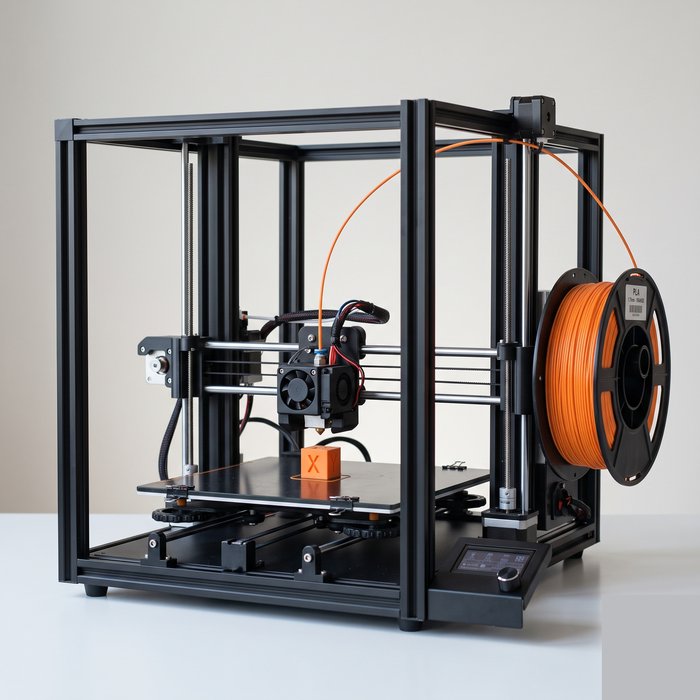
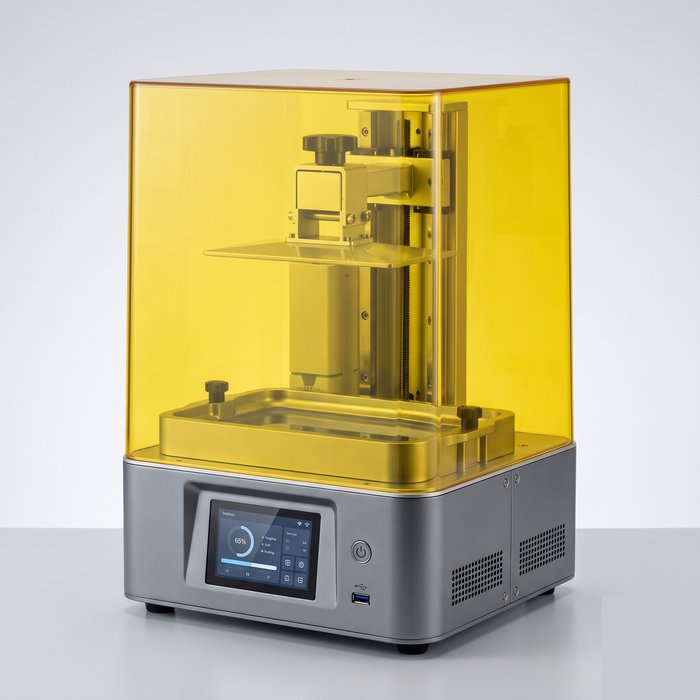
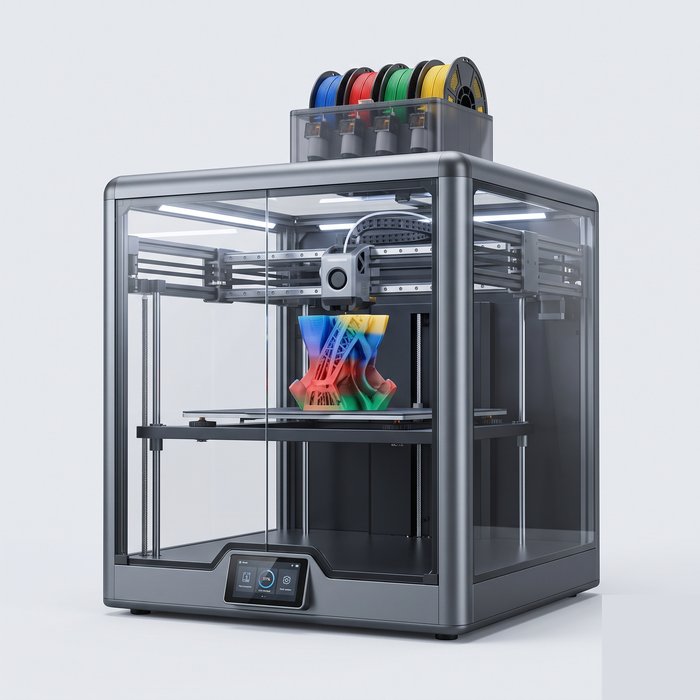
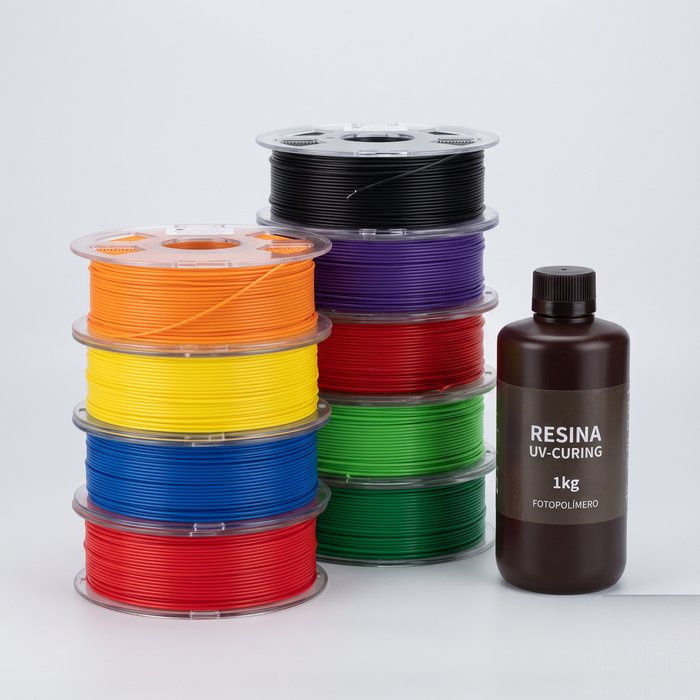
It is that variety which makes the trip worthwhile. FDM is the way in and the volume champion; resin opens up the miniature, jewellery and dental audience; the enclosed, fast CoreXY serves anyone after productivity and colour; and filament and resin are the repeat purchase that comes round with every print. Building the full range turns a product into a technology section of the shop.
Why this is an opportunity for Brazil
Maker culture, technology teaching and on-demand manufacturing have grown a great deal in Brazil, and the 3D printer is the symbol of that. It is a product of desire, of video and of community, and it still fits in a price band that China makes affordable.
- It sells through video: time-lapse printing is one of the pieces of content that go viral most. The product demonstrates itself and the customer becomes the promoter, which brings marketing costs down.
- Repeat purchase on the consumable: filament and resin are used up with every part. Whoever sells the machine keeps the sale that comes round again, and can even create their own filament brand.
- Several audiences and price points: from the hobbyist to the dentist, from the school to the small manufacturer, the range covers different price bands and widens the sale.
- A loyal community: the maker audience swaps tips, recommends and buys again. Whoever delivers a good range and good support keeps a customer who comes back.
Before importing: it is electrical equipment and may require INMETRO; models with Wi-Fi, a camera or an app call for ANATEL. Confirm the voltage (110V, 220V or dual voltage). The resin printer involves handling liquid resin, which calls for safety care and the right information for the customer. It is worth inspecting before shipment to test the bed, the extruder and the calibration.
Put your own brand on it
The 3D printer and, above all, the filament take own branding easily, and that is where the reseller steps out of the price fight and builds value:
- Your brand on the machine, on the app and, above all, on the filament and the resin (private label/OEM), which are the consumable that gets bought again and the best place to fix the brand.
- Colour, finish and configuration settled, and the print profile pre-adjusted for the Brazilian customer.
- Kit and manual in Portuguese, with support that the maker audience values and that cuts returns.
BCVN negotiates the customisation directly with the factory and validates the sample before the batch, so that the range and the consumable arrive with the standard the maker demands.
It is worth understanding how this works in practice before requesting the first sample: the guide on own brand in China: private label, OEM and ODM explains the difference between the three models and what each one changes in the minimum order and the lead time.
Where to buy a 3D printer in China
The 3D printer and its consumable appear at the big electronics and technology fairs and at the small commodities wholesale market:
- Canton Fair, Phase 1 (electronics): from 15 to 19 October, it brings together the manufacturers of 3D printers, components and consumables. It is the starting point.
- Hong Kong Electronics Fair: strong in technology and gadgets, good for finding something new and the model best integrated with an app and a camera.
- Yiwu Trade Fair: the world's largest small commodities wholesale market, ideal for filament and lower-ticket accessories in large volume.
The 3D printer is the kind of find that works for the retailer: the product films itself, the customer does the promoting and the filament brings them back with every print. For the Brazilian reseller, it is not about selling a machine, it is about getting into the maker wave with the right range, your brand on the consumable and an audience that only keeps growing. It is low cost at source, unbeatable video appeal and a repeat purchase that does not stop.
Frequently asked questions about importing 3D printers
Does a 3D printer imported from China need certification?
Yes. It is electrical equipment and may require INMETRO certification, and models with Wi-Fi, a camera or an app connection require ANATEL approval. Confirm the voltage (110V, 220V or dual voltage) before importing. The resin printer also involves handling liquid resin, which calls for safety care and the right information for the customer.
What is the difference between a filament (FDM) 3D printer and a resin one?
The FDM printer melts a plastic filament and lays it down layer by layer; it is the most popular, cheapest and most versatile, ideal for parts, prototypes and household items. The resin printer (LCD/MSLA) cures liquid resin with light and delivers far more detail, which makes it the favourite for miniatures, jewellery and dental models. Offering both, plus the fast and multicolour models, serves everyone from the beginner to the small business.
Is a 3D printer a good product to resell?
It is one of the technology products with the greatest video appeal: watching an object emerge layer by layer holds attention and goes viral, which sells the product on its own and lowers the cost of promotion. The maker audience is growing fast and there is constant repeat purchase of filament and resin, which are used up with every print. Anyone importing from China works with a low cost at source and can build an own brand around filament that gets bought again.
Can I import just one 3D printer to test?
BCVN is an import consultancy for retailers and companies, not a retail shop, and does not sell single units. Importing only pays off on volume: freight and operations are diluted across the batch, and every factory works to a minimum order quantity (MOQ). Anyone who wants a single unit should buy from a retailer in Brazil; anyone who is going to resell, supply the maker audience or create their own printer and filament brand imports at source, and that is where the margin shows up.