
Why Chinese home appliances sell, and where they get complicated
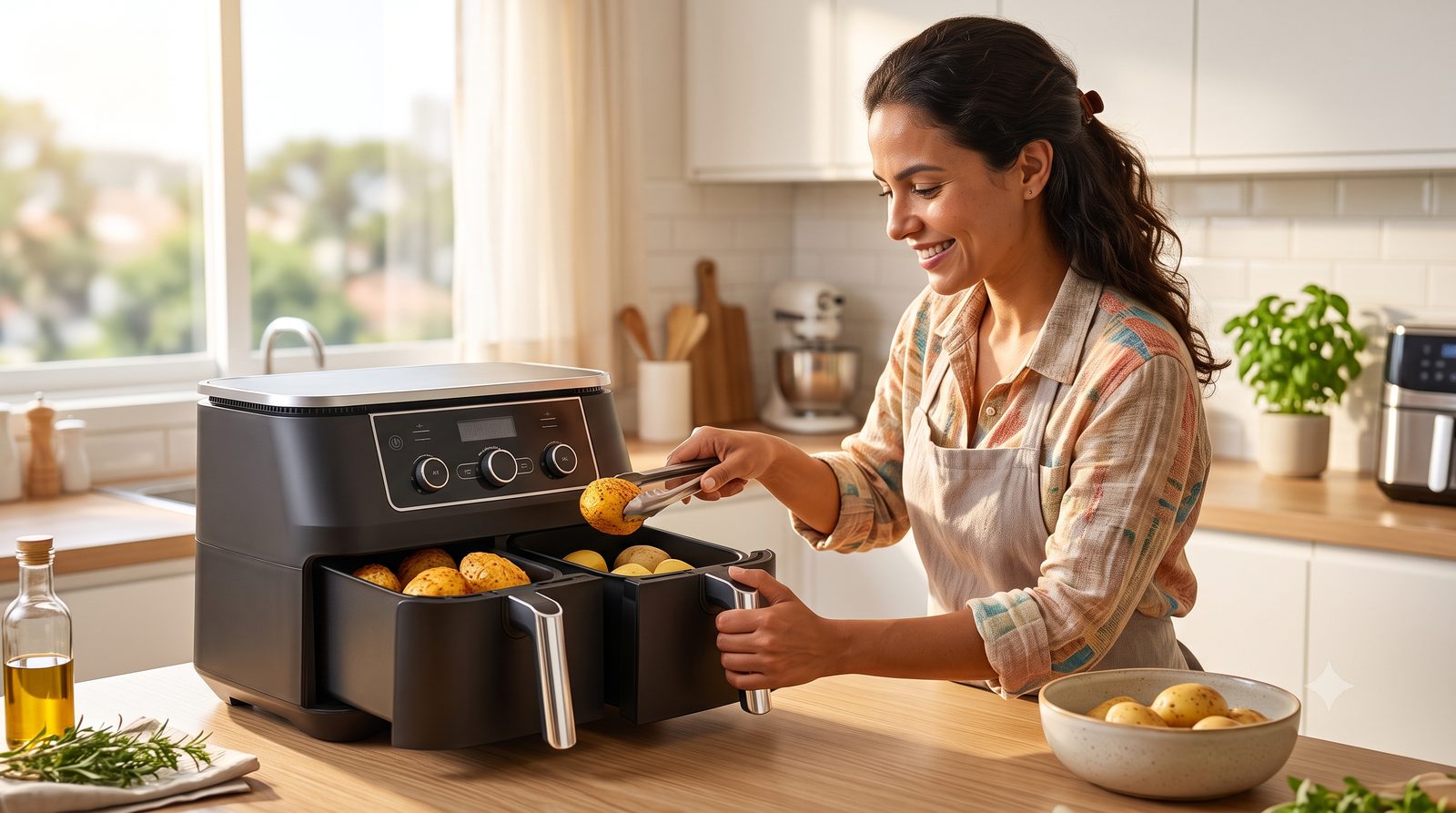
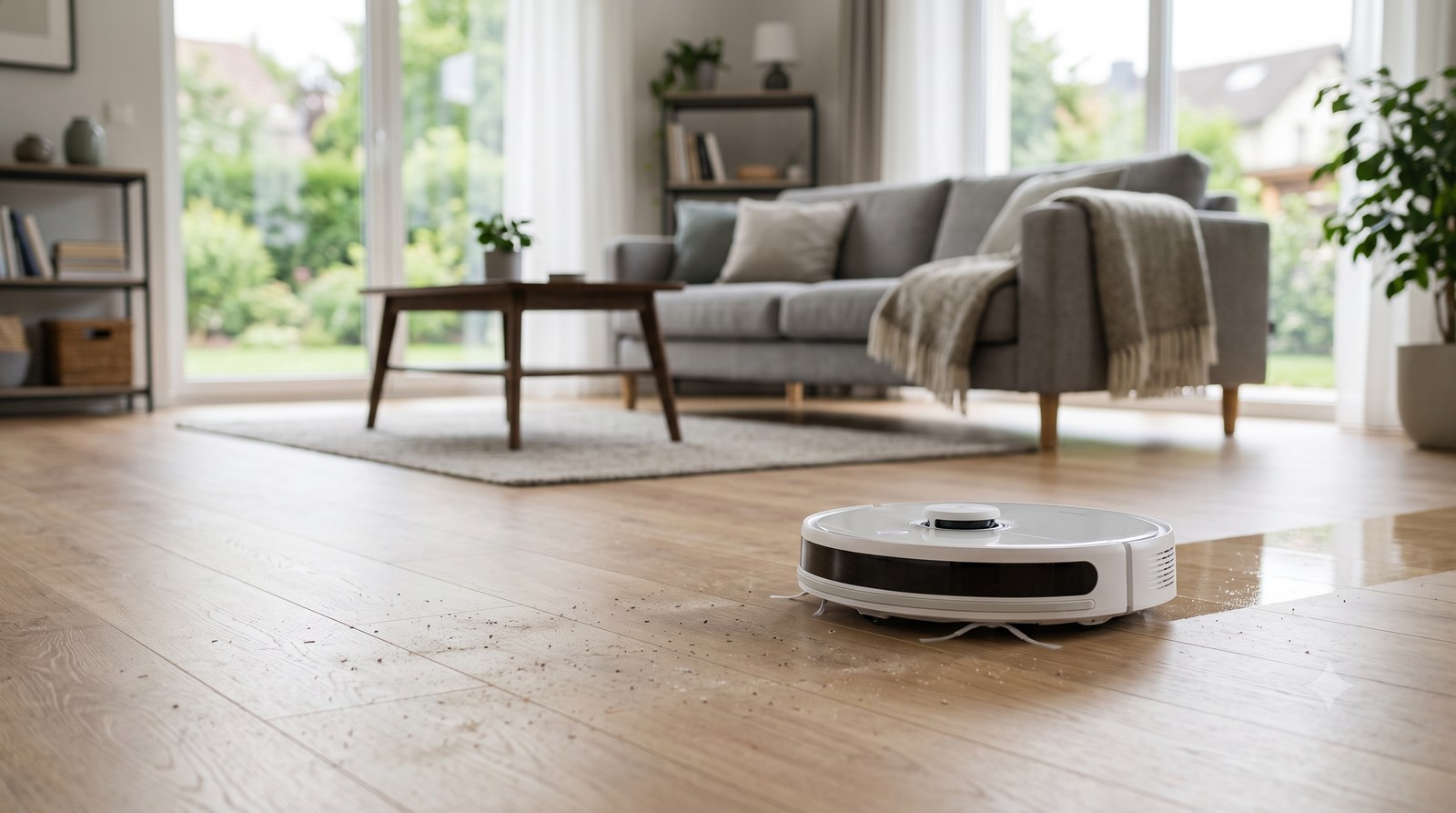
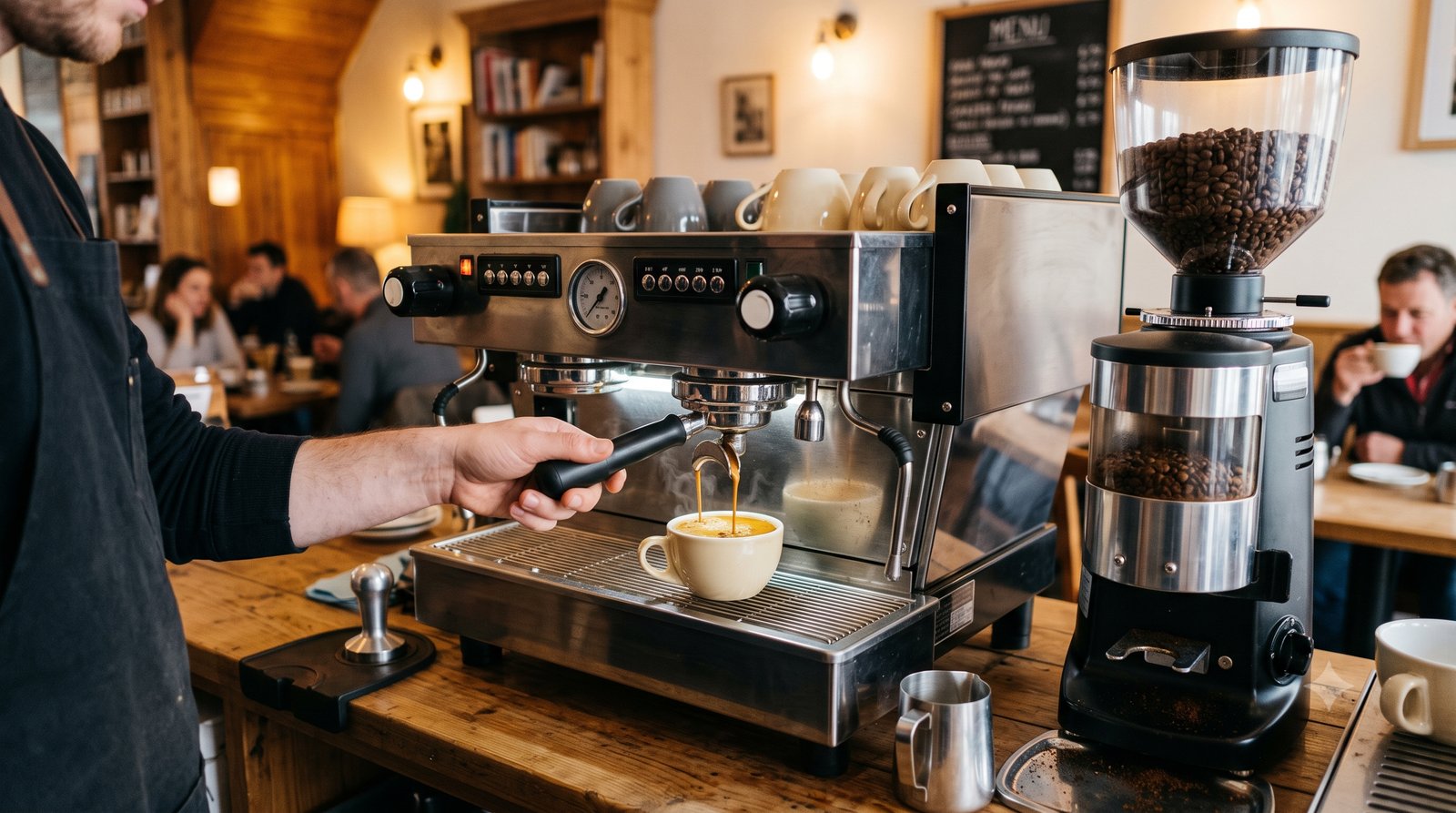
The Brazilian home has filled up with small appliances over the past decade, driven by air fryers, robot vacuums, coffee machines, high-speed blenders and a wave of kitchen and cleaning devices. Almost that entire line comes out of China, at prices and in a variety that open up resale margin and room for private label. For the shop, the distributor and the e-commerce operation, it is one of the hottest businesses in retail.
What misleads is assuming an appliance is imported like any other product. It carries three requirements that almost no other category combines: a mandatory electrical safety yardstick, the right voltage and plug for Brazil, and real after-sales, because a device with a motor eventually fails and the customer claims the warranty. Buying is the easy part; getting the appliance in lawfully, running on the right socket and backed by service is where the money is made or lost. That is what this guide is about. If you are looking for the shortcut of closing a batch on a marketplace and having it shipped, it does not exist here: with appliances, the shortcut leads to seizure or to the complaints counter.
INMETRO certification and joint liability
A home appliance is electrical equipment, and therefore falls under the INMETRO yardstick. Certification is mandatory for the regulated families and does not depend on how much you import: it applies to the container and to the single box alike. It is what attests that the device will not give a shock, will not overheat and will not become a hazard in the customer's home.
The consequences of ignoring this are harsh and reach well beyond customs:
- At customs: the goods are seized, held without release, and fined. The product may be destroyed or returned to origin at the importer's expense.
- In the market: without certification the appliance cannot be sold, and the stock becomes dead weight.
- In liability: the importer is jointly liable for the product they sell. If the device harms the consumer, responsibility falls on whoever imported it.
To find out whether your product sits in a regulated family, the requirement is checked through the NCM code. The guide to products that require INMETRO lays out the picture, and the one on NCM and tax classification explains why the right code matters. When the appliance is connected, the ANATEL and INMETRO yardstick for electronics comes in as well.
The word that changes everything: "joint". Importing an appliance is not merely bringing in a box, it is taking on legal responsibility for what that device does in the customer's home. That turns compliance from a bureaucratic detail into protection for your own business.
The voltage and plug trap
This is the risk unique to appliances, and the one that buying from a distance almost always underestimates. Brazil is a country of split voltage: part of the grid runs at 127V, part at 220V, all at 60 Hz, and the socket follows the NBR 14136 standard, a three round-pin plug. The Chinese product, by default, comes at 220V, 50 Hz and with a plug of another format.
A batch at the wrong voltage is a batch that does not sell, and a device with a foreign plug is a nuisance on the shelf. The answer is not at destination, it is in the specification at origin:
- Voltage: settle 127V, 220V or a dual-voltage version with the manufacturer, according to the market you serve.
- Frequency: confirm compatibility with Brazil's 60 Hz, which affects the motor and the performance.
- Plug: insist on the NBR 14136 standard, not an improvised adapter the customer will have to buy separately.
Warranty, service and parts: the after-sales that sustains resale
An appliance is not a disposable accessory: it has a motor, a heating element, gears and parts that wear out, and one day it fails. And whoever sells it answers for the warranty. That is why importing appliances does not end at customs clearance; it starts being tested when the first customer comes back with the unit in hand.
Anyone who imports without thinking about after-sales is reselling a problem. Before closing the order, three things must be agreed:
- Spare parts: secure from the manufacturer the supply of the parts that wear out, so units can be repaired rather than scrapped.
- Technical documentation: manual, schematics and maintenance information, without which no repair shop can work.
- Service plan: decide how repairs and replacements will work in Brazil, because the warranty is yours, not the Chinese supplier's.
That care is also what builds repeat business: a customer who comes in for a good appliance and finds support behind it comes back to buy again. Ignoring it means burning the brand on the first faulty batch.
The mistakes that stop appliances or leave them unsold
Appliances combine electrical safety, technical specification and resale value, the mix that enforcement watches and that customers hold you to. These are the mistakes that cost the most:
1. Importing without INMETRO certification
Bringing in a device from a regulated family without certifying it. The shipment is seized, held without release and fined, and the product cannot be sold.
2. Getting the voltage or the plug wrong
Receiving the batch at 220V in a 127V region, or with a foreign plug. The product does not sell, and adapting it afterwards is expensive or unworkable.
3. Forgetting ANATEL on connected devices
Buying an app-controlled robot vacuum or a Wi-Fi coffee machine with the radio not approved. Beyond the customs risk, the product cannot be sold lawfully.
4. Not securing parts and service
Importing without agreeing replacements and support. The customer comes back with a broken unit, there are no parts, and the shop's reputation goes with it.
5. Using the wrong NCM code or under-invoicing
An incorrect code or a value below the real one. Appliances carry significant taxes and well-known reference prices; the error leads to reclassification, a fine and a shipment left standing.
6. Trusting the sample and not inspecting the batch
The test unit arrived flawless, but the batch comes with a weak motor or an inferior finish. Without a pre-shipment inspection, the mass defect only surfaces in Brazil.
The common denominator is always the same: everything is settled at origin, before shipment, and nothing is fixed afterwards. For the full picture of what holds goods up, see the mistakes that make the Receita hold your shipment.
What cannot be sorted out from a distance
There is plenty of content teaching you to "import appliances on your own", and it almost always stops at the point where the business actually starts, because the stages that decide the outcome depend on people at origin, not on photos and catalogues:
- Knowing whether the factory is a factory. Many appliance suppliers are trading companies reselling third-party goods. Finding out who actually produces, with what controls and with what after-sales capability, is fieldwork.
- Specifying voltage, frequency and plug. Settling the technical sheet for Brazil before production. One wrong detail here means an entire unsellable batch.
- Running the certification as the responsible importer. INMETRO, and ANATEL where there is a radio, require a sample, testing and time, all filed in parallel with production.
- Negotiating parts and service. Securing replacements and technical documentation at origin is what lets you honour the warranty and keep the customer.
- Inspecting the batch properly. Switching the device on, testing the motor, checking finish and voltage before the final payment. It is the cheapest insurance in the operation.
None of these stages fits into a tutorial, because none of them can be done from a distance. This is where a partner at origin stops being a cost and becomes what separates an appliance import that turns stock from one that turns into a seizure or a complaints counter. A single pre-shipment quality inspection already pays for the care. For the full cost of the operation, it is worth reading what it costs to import from China.
The sum that rarely shows up: a non-compliant appliance batch becomes a seizure, a batch at the wrong voltage becomes stranded stock, and a batch with no service behind it becomes a wave of returns, all three adding total loss on top of a damaged brand. The partner does not make the operation more expensive; the partner removes the risk that breaks a first-time importer.
Where to see home appliances in China before buying
Choosing appliances from a photo is gambling; switching them on and testing them at origin is deciding on real evidence. Three events concentrate the sector, and they can be combined into one season:
Being at the fair lets you switch the device on, listen to the motor, compare dozens of factories in a matter of hours and separate those who manufacture to a standard from those who merely assemble cheaply, all before committing a single cent. It is worth checking the full 2026 China trade fair calendar to fit the dates together.
Chinese home appliances in the Showcase
Real appliance finds measured by this same INMETRO yardstick, each with its cost and resale logic. See more in the China Showcase.

Frequently asked questions about importing home appliances from China
Do home appliances imported from China need INMETRO certification?
Yes. A home appliance is electrical equipment, and INMETRO certification is mandatory for the regulated families, whatever quantity you import. It is what attests that the product will not give a shock or catch fire. Without it, the goods can be seized at customs, held without release, fined and barred from sale. And the importer is jointly liable for the product they sell, which makes compliance an obligation rather than an option.
How do I sort out the voltage and plug on a Chinese appliance?
It is one of the most critical points with appliances and has to be settled at origin. Brazil runs on both 127V and 220V depending on the region, operates at 60 Hz and uses the NBR 14136 standard plug. Chinese products usually arrive at 220V, 50 Hz and with a plug of another standard. The answer is to specify the right voltage (or a dual-voltage version), the frequency and the Brazilian plug with the manufacturer before production. Changing plug or voltage once the shipment has arrived is expensive, slow and sometimes unworkable, and a batch at the wrong voltage simply does not sell.
Do smart appliances with an app or Wi-Fi need ANATEL?
Yes. App-controlled robot vacuums, connected coffee machines, Wi-Fi purifiers and any appliance that transmits radio (Wi-Fi, Bluetooth) add ANATEL approval on top of INMETRO certification. That is two yardsticks at once, both the importer's responsibility. Smart appliances, which are precisely the highest-margin trend, are the ones that most demand this double attention.
How do I secure technical service and spare parts for an imported appliance?
This is the point that separates serious resale from an adventure. Appliances have motors and parts that wear out, and whoever sells them answers for the warranty. Before importing, you have to agree with the manufacturer on the supply of spare parts and on technical documentation, and plan how service will work in Brazil. Anyone who imports without thinking about after-sales is reselling a problem: the customer comes back with a broken unit and there are no parts and no support, which destroys both reputation and repeat business.
How do I import home appliances from China without the shipment being seized?
By settling compliance and specification at origin, before shipment: certifying the regulated families with INMETRO, filing with ANATEL when there is a radio, specifying Brazilian voltage, frequency and plug, classifying the correct NCM and agreeing parts and service with the manufacturer. That is the part no photo or catalogue can do for you, because it depends on validating the factory and the sample. BCVN handles sourcing, supplier validation, compliance and the import itself, so the appliance arrives ready to plug in, sell and service.