
Why Chinese pet products sell, and why they confuse buyers
The bond between Brazilians and their pets has become one of retail's most resilient markets: people keep spending on the animal even when they cut back elsewhere, and repeat purchase is constant, from food to accessories. China manufactures almost everything that fills a pet shop, at prices and in a variety that leave full resale margin and room for private label. For the bricks-and-mortar shop, the e-commerce operation and the distributor alike, it is a business of high turnover and loyal customers.
The confusion comes from assuming that "pet product" is imported one single way. In reality there are three worlds with distinct yardsticks: the low-friction accessory, the electrical product that requires INMETRO, and food and veterinary items that run into the MAPA wall. Buying is the easy part; placing each item under the right yardstick and getting the shipment in lawfully is where the money is made or lost. That is what this guide is about. If you are looking for the shortcut of filling an order with a bit of everything on a marketplace and having it shipped, it does not exist here: in pet products, the shortcut is the fastest route to a container held over a single item.
The three yardsticks of pet products
Before you build any order, you need to know which yardstick each item falls under. They do not combine into a single process:
The rule that avoids disaster is simple to state and laborious to carry out: place every SKU under its yardstick before buying, and never build a mixed shipment without knowing that the most demanding item sets the pace for all the rest. The guide to products that require INMETRO covers the electrical side, and the one on NCM and tax classification shows why the classification of each family matters.
The sum that holds the container: in a shipment combining a bed (easy), a water fountain (INMETRO) and a treat (MAPA), the unregistered US$ 2 product can hold every last item at the port. In pet products, the most demanding yardstick in the order is the yardstick for the whole order.
The MAPA wall: pet food, treats and veterinary products
If there is one line where the pet sector does not forgive improvisation, it is animal food and health. MAPA, Brazil's Ministry of Agriculture, Livestock and Food Supply, is the sector's main regulator and treats these products with sanitary rigour, because they go into the animal's body.
- Food (pet food, treats, snacks): governed by MAPA Normative Instruction 81/2018, requiring establishment and product registration, origin controls and sanitary requirements.
- Veterinary products (medicines, flea treatments, wormers): require specific registration and form the most tightly controlled category. The company needs an establishment registration licence in the veterinary products field.
- Animal hygiene and cosmetics (shampoo, conditioner): also fall within MAPA's remit, under their own classification.
None of this can be sorted out once the shipment has arrived. It is structure and process that come before the first order. That is why the food and health line is the one that most sharply separates a serious operation from an amateur attempt, and the one that most rewards having a partner to carry the registration through. The logic is the same as the guide to importing food with MAPA approval, applied to pet products.
The mistakes that stop pet products at customs
The pet sector combines three yardsticks, repeat-purchase value and sensitive classification, which puts it on the enforcement radar. These are the mistakes that most often hold up a shipment:
1. Building a mixed shipment without separating the yardsticks
Putting accessories, electricals and food in the same order without classifying each one. The most demanding item holds the whole container, even with everything else in order.
2. Bringing in pet food or treats without MAPA registration
Importing animal food without establishment and product registration. It is the harshest hold in the sector, with no remedy once the goods have shipped.
3. Electrical products without INMETRO
A water fountain, automatic feeder or aquarium with no safety certification. The shipment is seized and the product cannot be sold.
4. Forgetting ANATEL on smart pet devices
App-connected feeders or fountains, pet cameras and tracker collars with the radio not approved. Beyond the customs risk, the product cannot be sold lawfully.
5. Using the wrong NCM code or under-invoicing
An incorrect code or a value below the real one. Reclassification brings a tax difference plus a fine, and the shipment waits where it stands.
6. Trusting the sample and not inspecting the batch
The sample arrived fine, but the batch comes with material that comes apart, weak stitching or a poor motor on the electricals. Without a pre-shipment inspection, the mass defect only surfaces in Brazil.
The common denominator is always the same: everything is settled at origin, before shipment, and nothing is fixed afterwards. For the full picture of what holds goods up, see the mistakes that make the Receita hold your shipment.
What cannot be sorted out from a distance
There is plenty of content teaching you to "import pet products on your own", and it almost always stops at the point where the business actually starts, because the stages that decide the outcome depend on people at origin, not on photos and catalogues:
- Splitting the order across the three yardsticks. Placing every SKU under accessories, electricals or MAPA, and building the purchase so that one yardstick does not block another. That is operational planning, not catalogue browsing.
- Knowing whether the factory is a factory. Many pet suppliers are trading companies reselling third-party goods. Finding out who actually produces, with what controls and what paperwork, is fieldwork.
- Running the registrations as the responsible importer. INMETRO on the electricals, ANATEL on the connected devices and MAPA on food and veterinary items, all filed before the shipment arrives.
- Inspecting the batch properly. Testing the material, the electricals and the finish on the packed batch before the final payment. It is the cheapest insurance in the operation.
- Negotiating private label and repeat orders. Customisation and a steady replenishment flow are settled far better with presence, language and volume, and it is repeat purchase that sustains a pet shop.
None of these stages fits into a tutorial, because none of them can be done from a distance. This is where a partner at origin stops being a cost and becomes what separates a pet import that turns stock from one that turns into a held container. A single pre-shipment quality inspection already pays for the care. For the full cost of the operation, it is worth reading what it costs to import from China.
The sum that rarely shows up: an item with no MAPA registration, or an electrical with no INMETRO, does not hold only itself, it holds the whole container, adding the loss to the capital tied up. The partner does not make the operation more expensive; the partner separates the yardsticks and removes the risk that breaks a first-time importer.
Where to see pet products in China before buying
Choosing pet products from a photo is gambling; seeing and testing them at origin is deciding on real evidence. Three events concentrate the sector in the autumn season, and they can be combined into one trip:
Because CIPS runs in the same complex as the Canton Fair, during the Phase 3 and Yiwu season, you can design a trip that covers the whole pet universe in a few days, testing products and comparing factories in front of you. It is worth checking the full 2026 China trade fair calendar to fit the dates together.
Chinese pet products in the Showcase
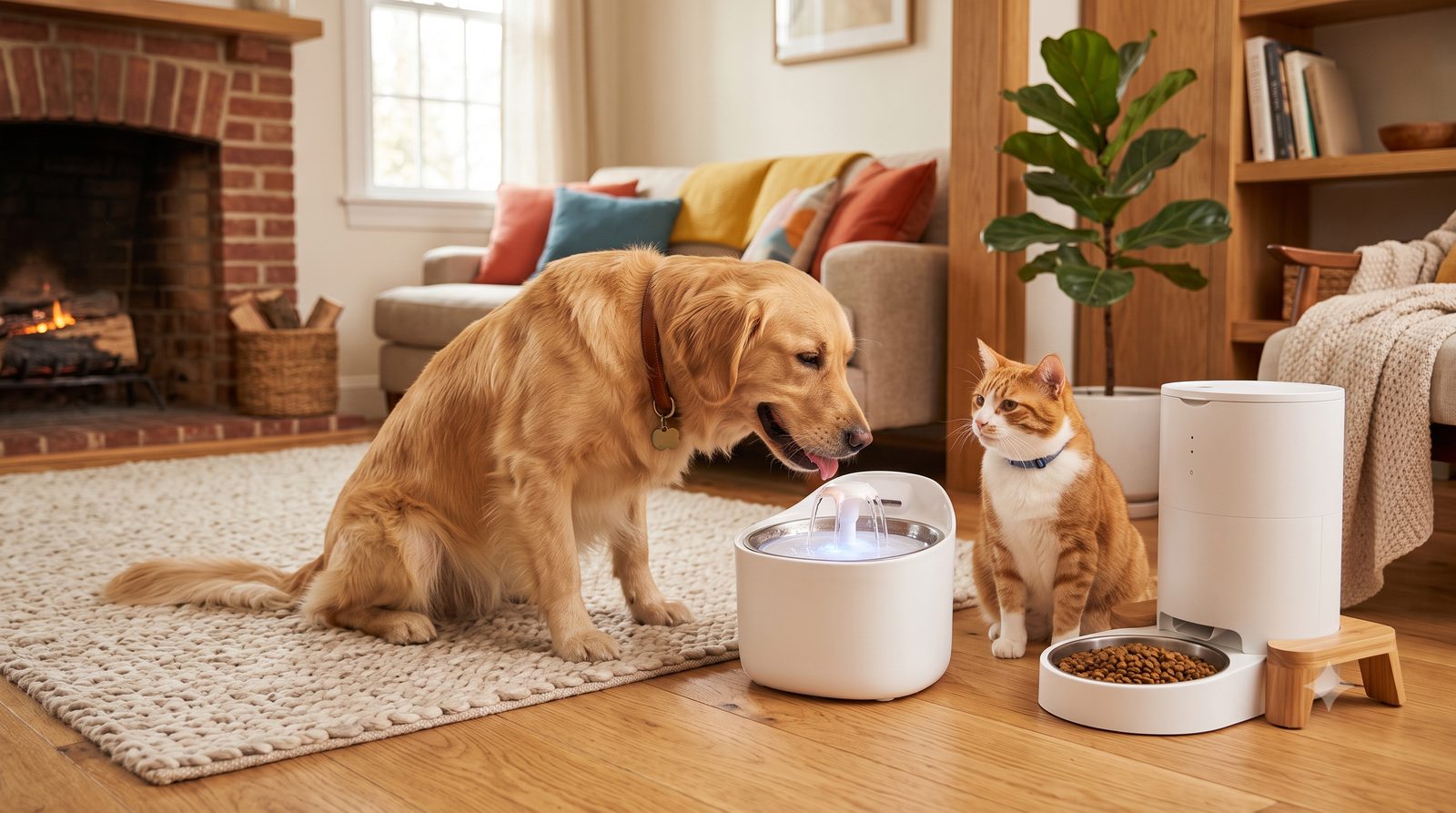
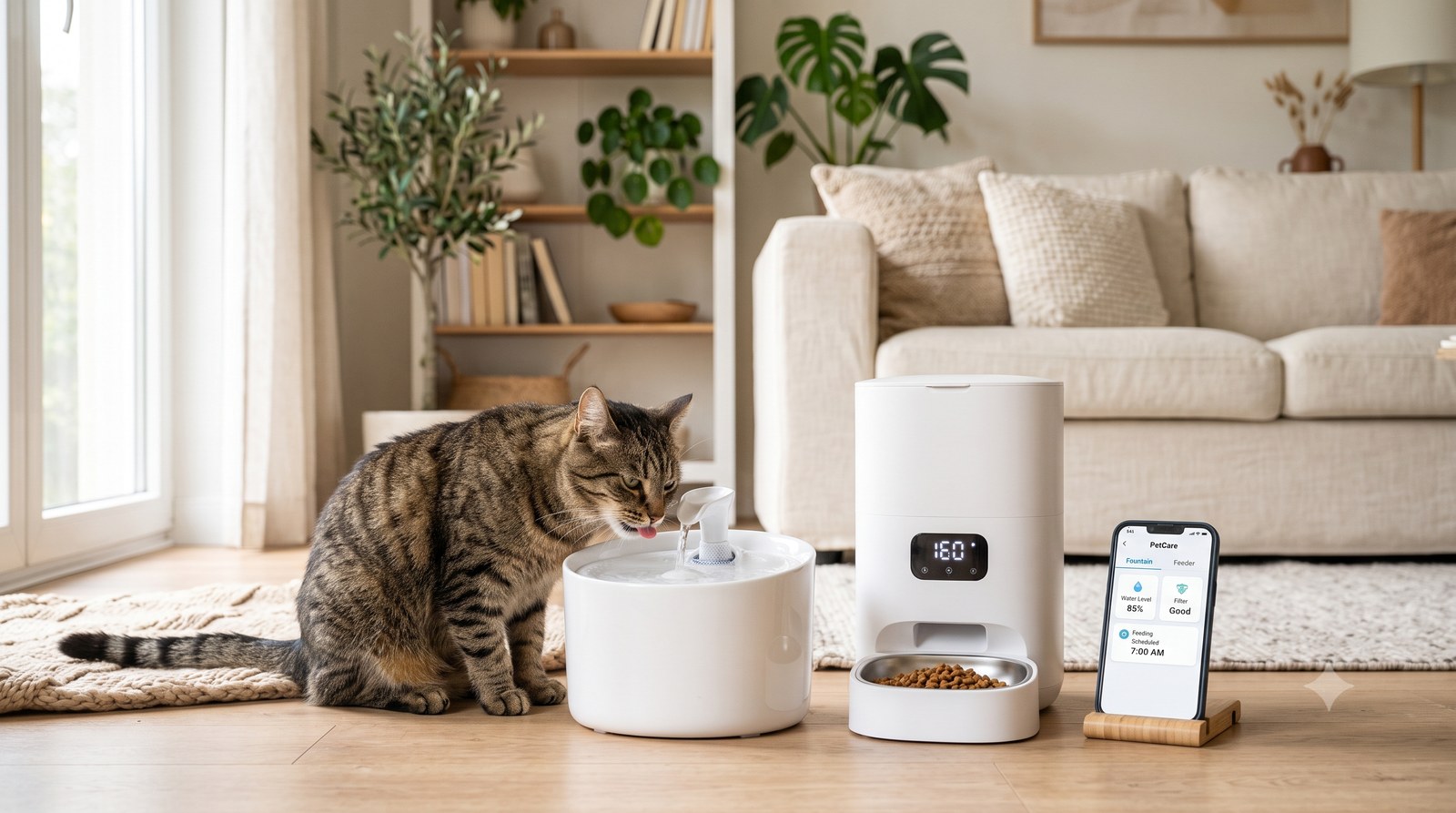
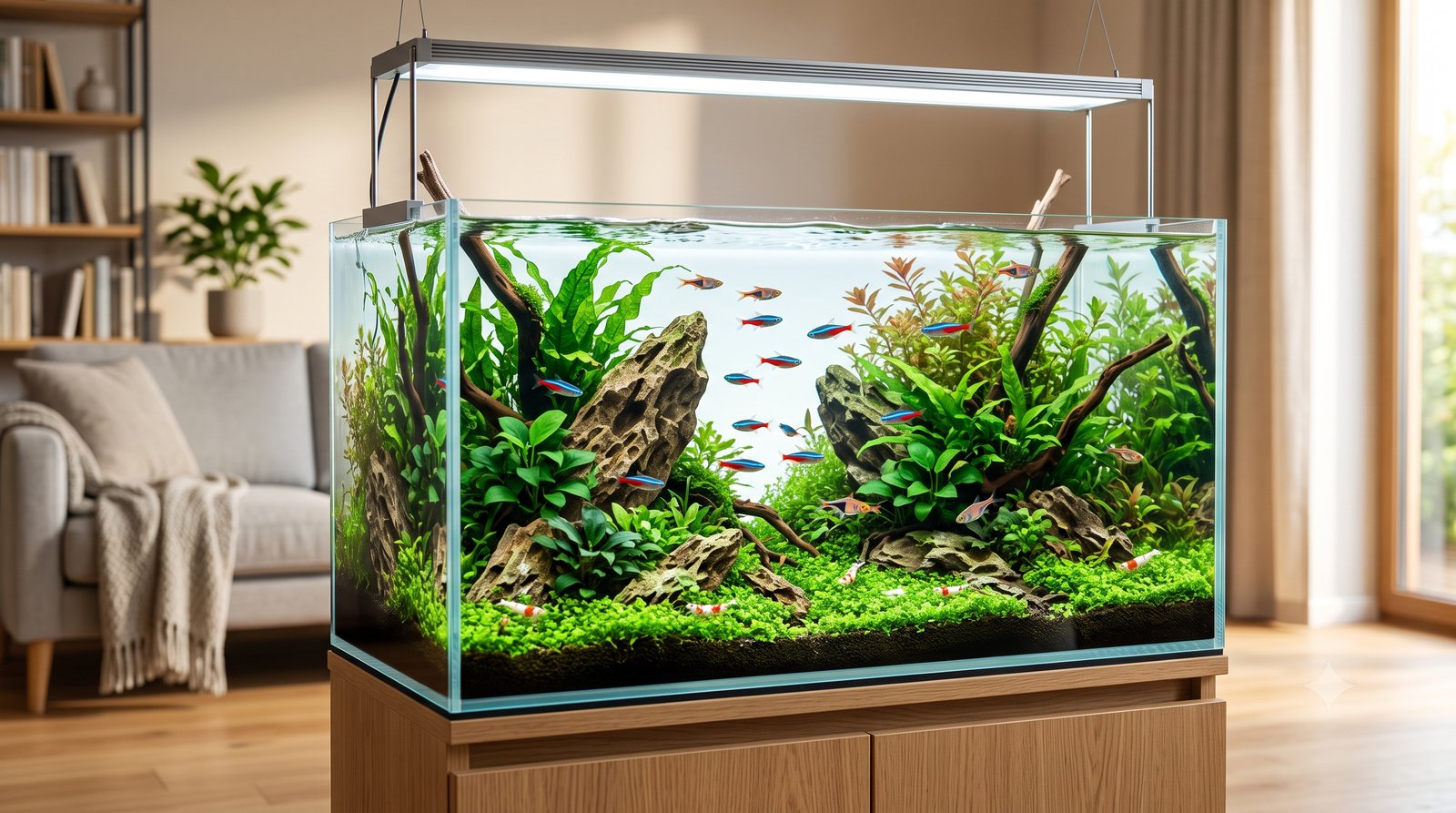
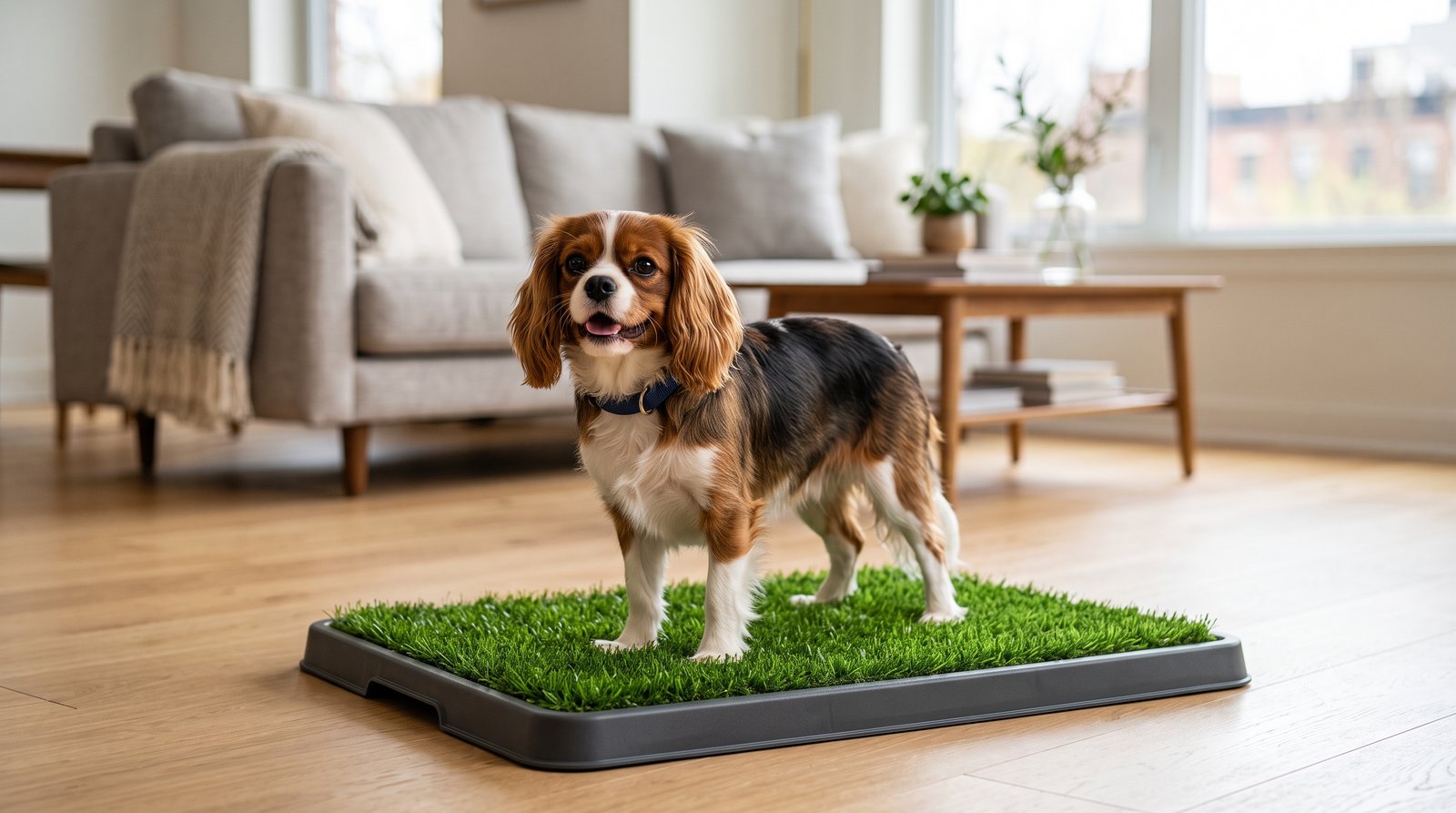
Real finds from the pet world measured by these same yardsticks, each with its cost and resale logic. See more in the China Showcase.
Frequently asked questions about importing pet products from China
Do I need MAPA registration to import pet products from China?
It depends on the product. MAPA is the sector's main regulator and requires registration for food (pet food and treats) and for veterinary products (medicines, animal hygiene and cosmetics). A company importing those items needs an establishment registration licence with MAPA, and food products follow Normative Instruction 81/2018. Accessories with no feeding or health function usually require only a simple record, or nothing at all. The nature of each product decides the route, and mixing categories without knowing which is which is what holds up the shipment.
Do automatic feeders and electric aquariums imported from China need INMETRO?
Yes. Any pet product that runs on electricity, water fountains, automatic feeders, aquariums with a pump, heater and light, dryers and grooming clippers, falls under INMETRO safety certification. And when it connects through an app (a smart fountain or feeder), ANATEL approval for the radio is added on top. It is the same yardstick as home appliances: the accessory becomes an electronic device and compliance moves up a level.
Do pet food and treats imported from China need registration?
Yes, and it is the highest wall in the pet sector. Animal food (pet food, treats, snacks) is regulated by MAPA and follows Normative Instruction 81/2018, requiring establishment and product registration, origin controls and sanitary requirements. It is not something you bring in on the fly: it demands structure and process set up beforehand. This is the category that most clearly separates a serious operation from someone who just wants to ship one box.
Can I import accessories, electricals and pet food in the same order?
Technically yes, but this is where many people trip up. Each family follows a different yardstick: accessories are low friction, electricals need INMETRO and sometimes ANATEL, and food and veterinary products need MAPA. In a mixed shipment, the most demanding item holds the whole container, even when everything else is in order. Planning the make-up of the order by yardstick, not just by price, is what prevents the hold.
How do I import pet products from China without the shipment being seized?
By splitting the order across the three yardsticks and settling compliance at origin, before shipment: certifying the electricals with INMETRO, filing with ANATEL when there is a radio, arranging MAPA registration for food and veterinary items, classifying the correct NCM and validating both the factory and the batch. That is the part no photo or catalogue can do for you. BCVN handles sourcing, supplier validation, compliance and the import itself, so the pet product arrives ready to sell in the shop.