
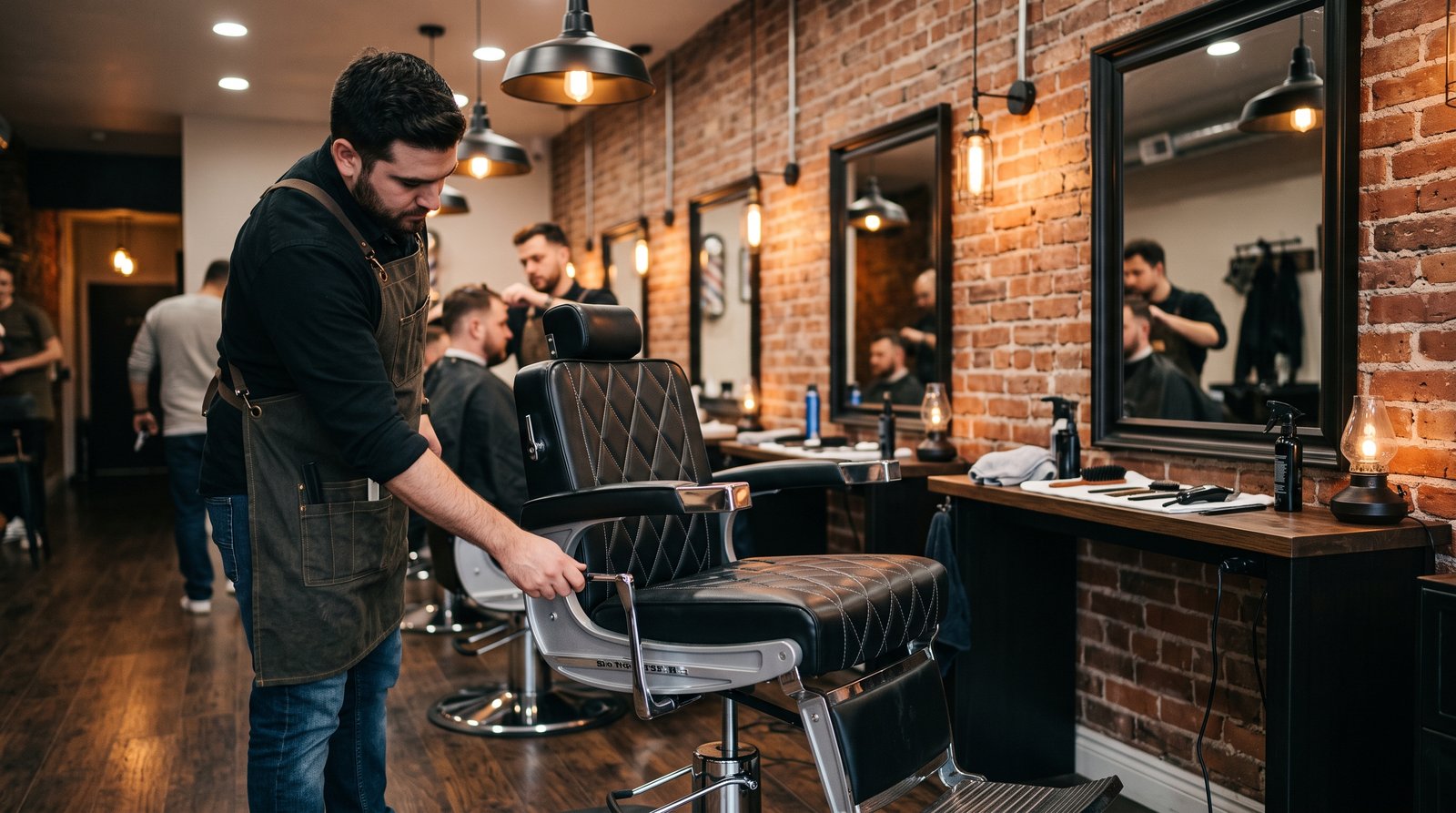
The barber almost never complains about the chair. The call says it has stopped rising, or that it sinks on its own halfway through a haircut. It is always the same part, and it is a part that takes twenty minutes to swap for anyone who has one to hand. The problem is that almost nobody does.
What barbershop equipment actually is
It is not one product, it is the entire fit-out of a commercial unit. It takes in the reclining chair with hydraulic base and headrest, the backwash basin with a tilting bowl, the styling station with mirror and power socket, the waiting armchair, the trolley and the tool steriliser. A three-chair barbershop buys all of that at once, and buys it again when it opens a second branch.
This is equipment for intensive professional use: ten to fifteen appointments a day, six days a week. That changes what matters in the specification, and it is what separates the chair that lasts five years from the one that lasts ten months: the wall thickness of the base tube, the brand and travel of the hydraulic piston, the density of the foam, and whether the upholstery is plain laminated PVC or synthetic leather with a reinforcing weave. None of that shows up in the catalogue photo, and it is everything the professional buyer asks about.
Models and variations
It is not a single item. At the fairs it is a whole aisle of professional furniture, and each piece comes out of a different chain of factories.
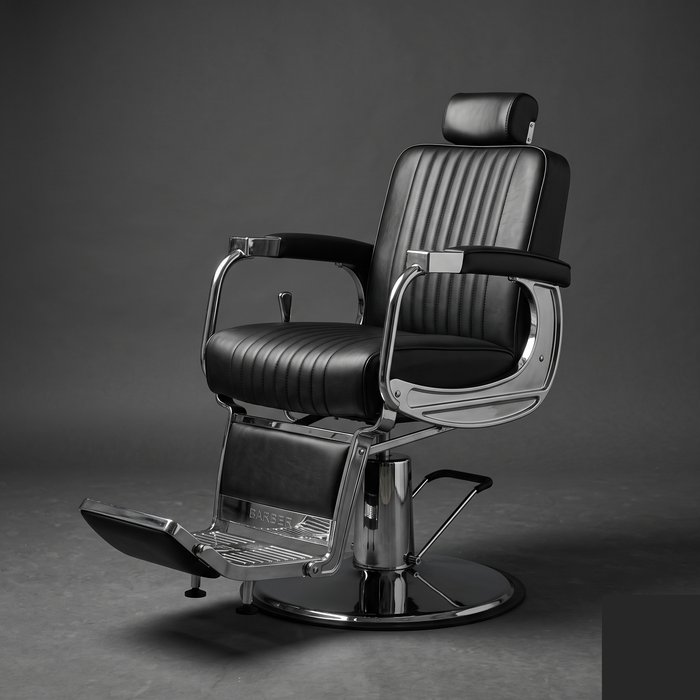
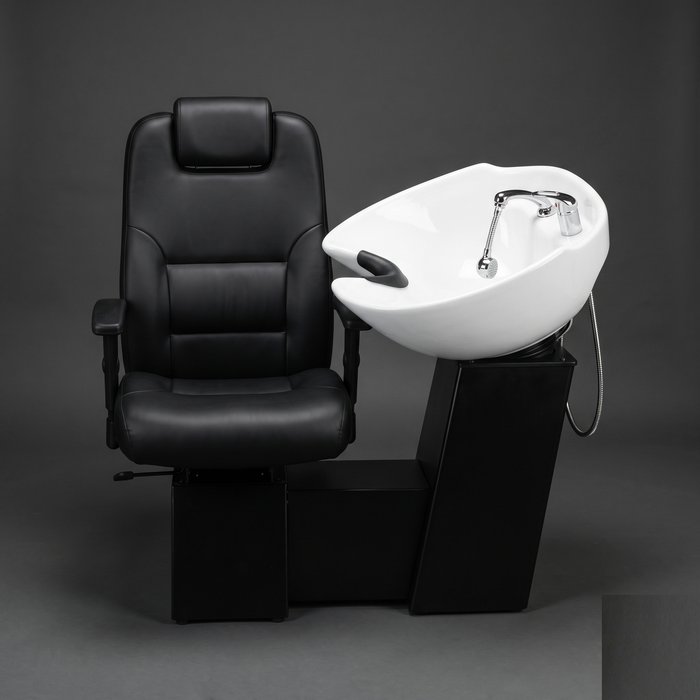
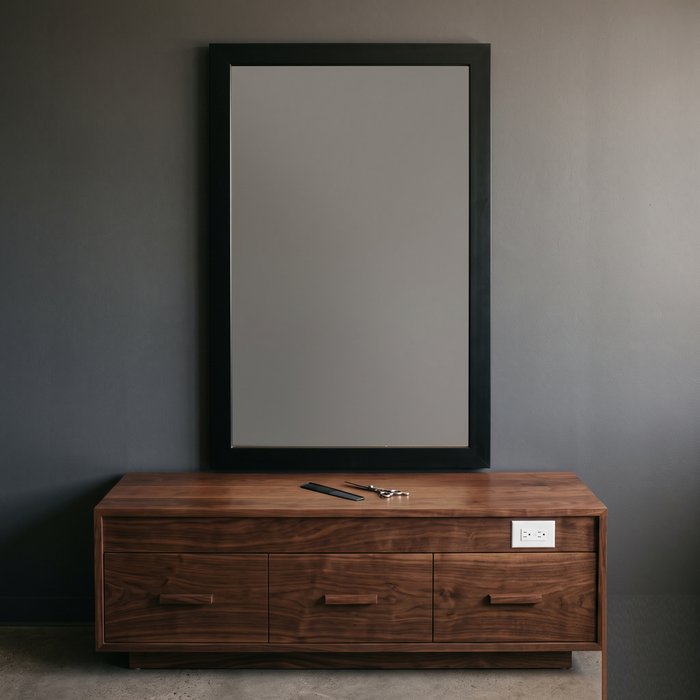
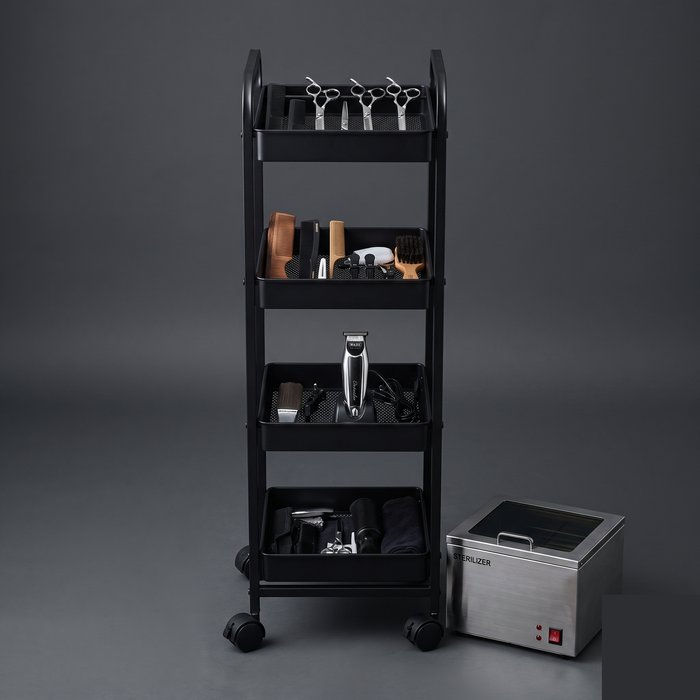
Choosing the right model among hundreds of factories, and above all making sure the whole batch matches the sample that was approved, is where BCVN comes in.
Why this is an opportunity for Brazil
On the demand side the market is already mature: the barbershop has stopped being the place where hair gets cut and has started selling an experience, at a service price that can carry better equipment. On the supply side, whoever serves that owner in Brazil is almost always a reseller who brought in a container of a single model, sold the lot and did not keep one single part.
- After-sales is the sales argument: whoever imports directly negotiates the spare-parts kit (piston, cylinder, base, headrest cover) on the same invoice, and becomes the only supplier in the region that sorts it out the next day instead of in ninety days.
- A fit-out ticket, not an item ticket: the conversation starts with a chair and closes with a backwash basin, a styling station and a waiting armchair. And the customer who opens a second branch comes back to the same supplier.
- Timing: with a lead time of 60 to 120 days, an order closed now arrives in time to serve the wave of January openings, when the calendar of new commercial units heats up.
- A wider audience than it looks: the same base furniture serves women's salons, tattoo studios and waxing rooms, which widens the customer book without changing supplier.
Before importing: items with an electrical part (backwash basin with heating, steriliser, station dryer) require INMETRO certification, and mechanical furniture does not. What usually holds up the visit from the local health inspectorate is not the chair, it is the upholstery: it has to be washable and impermeable to take disinfection between appointments, and a stitched seat with exposed foam fails. It is worth checking the list of products that require INMETRO before closing the order, and scheduling the pre-shipment inspection to measure the base tube and test the piston across the batch, not only on the sample.
Where to buy barbershop equipment in China
A barbershop's fit-out does not all come out of the same aisle, and that is what separates a well-planned trip from three separate orders with three freight bills.
- Canton Fair, Phase 3 (health and beauty): this is where the makers of salon furniture, backwash basins and sterilisers are, with the complete professional ranges side by side.
- Canton Fair, Phase 2 (home and furniture): the hydraulic base, the foam and the upholstery come out of the furniture chain, and this is the phase where the hardware gets compared up close.
- Yiwu Trade Fair: fast-moving consumables and accessories (razor, comb, cutting cape, spray bottle), in volume and at impulse prices.
Next edition, Canton Fair 2026: Phase 2 runs from 23 to 27 October and Phase 3 from 31 October to 4 November, in Guangzhou. Yiwu opens from 21 to 24 October, in the gap between the two phases, which makes it possible to cover furniture and consumables on the same trip.
Read the complete guide to the Canton Fair 2026
Selling barbershop equipment means selling ten years of somebody's operation, and that is why this customer changes supplier only once. Whoever turns up with the part on the shelf does not have to fight over price.
Frequently asked questions about importing barbershop equipment
Does barbershop equipment imported from China need INMETRO certification?
Items with an electrical part do, and that covers the backwash basin with water heating, the steriliser and the station dryer. Purely mechanical furniture, such as the hydraulic-base chair and the styling station, does not fall under compulsory certification. As the list changes by ministerial order, the right thing is to confirm the classification through the NCM code of each item before closing the order, rather than for the set as a whole.
What is the minimum order for a barber's chair in China?
A salon furniture factory works by container volume, not by unit, because what drives the freight cost is space and not weight. In practice the order is built by combining items of the fit-out until the volume is filled, which favours whoever buys chair, backwash basin and styling station together instead of a single item.
Is it worth importing spare parts along with the batch?
It is what sustains the resale after the first year. The hydraulic piston, the base cylinder, the headrest cover and the upholstery are the parts that fail first under intensive professional use, and negotiating them on the same invoice costs a fraction of the value of the batch. Whoever skips this sells the chair once; whoever does it becomes the supplier for the whole town.