If Phase 1 of the Canton Fair is about technology and industry, Phase 2 is about the home. Held from 23 to 27 April, it brings together manufacturers of everything that makes up residential, commercial and hotel spaces: living room, bedroom and office furniture, decorative objects, ceramic tiles, home textiles, kitchenware, gardens and much more.
For Brazilian importers in retail, e-commerce, construction and hospitality, Phase 2 concentrates some of the best sourcing opportunities in China. China is the world’s largest exporter of furniture and one of the leading suppliers of tiles and decoration, and the Canton Fair is where that production becomes accessible to international buyers of every size.
What Phase 2 of the Canton Fair is
Each phase of the Canton Fair groups categories by affinity. Phase 2 covers the segments related to the built environment and the home:
| Category | Product examples | Buyer profile |
|---|---|---|
| Residential furniture | Sofas, beds, wardrobes, tables, chairs, shelving | Retail, e-commerce, decoration chains |
| Office furniture | Ergonomic chairs, desks, cabinets, partitions | Companies, distributors, resellers |
| Decoration and art objects | Wall art, sculptures, vases, mirrors, decorative lamps | E-commerce, decoration shops, architects |
| Building materials | Porcelain tiles, wall tiles, engineered stone, 3D panels | Property developers, builders, resellers |
| Home textiles | Bedding, table and bath linen, rugs, curtains, cushions | Retail, hospitality, e-commerce |
| Household goods | Kitchenware, organisers, storage, bathroom | Retail, e-commerce, wholesale |
| Gardening and outdoor | Garden furniture, planters, garden tools, outdoor lighting | Retail, landscaping, residential complexes |
Residential and office furniture
China is the world’s largest exporter of furniture, led by the Guangdong region, home to Foshan, known as the furniture capital of the world. The manufacturers exhibiting in Phase 2 of the Canton Fair have the structure to export and experience with international buyers.
What you will find in residential furniture
- Sofas and upholstery: from entry level fabric models to genuine leather and velvet sofas on a solid wood frame. Manufacturers in Foshan and Dongguan dominate this segment and accept customisation of fabric, colour and dimensions
- Bedrooms (beds, wardrobes, chests of drawers): complete sets for container importing. Engineered wood (MDF/MDP) with laminate or lacquer is the standard; solid wood panels are available at extra cost
- Dining rooms (tables and chairs): a wide variety of styles, from modern Scandinavian to classic wood. Many manufacturers produce sets with CARB certification (for formaldehyde emissions) for demanding markets
- Modular and wardrobe systems: made to measure shelving and cabinet systems in high demand in the Brazilian market, especially for compact apartments
- Children’s furniture: cots, bunk beds, desks, a segment growing steadily in Brazilian e-commerce
Office and home office furniture
- Ergonomic chairs: one of the fastest growing products in Brazil since the pandemic. China offers everything from basic models to chairs with breathable mesh, adjustable lumbar support and international certification (BIFMA). Beware of copies of premium brands, check originality
- Office desks and standing desks: electrically height adjustable desks are a growing trend and Brazil has pent up demand. Chinese manufacturers in Guangdong dominate this niche
- Partitions and acoustic panels: for corporate offices, an expanding market in Brazil. A wide variety of finishes and configurations
- Workstations and cabinets: manufacturers accept custom projects for large volumes, delivering technical drawings and a 3D digital showroom
Practical tip: for furniture, the MOQ (minimum order) is usually one 20 foot container. Before visiting the fair, work out roughly how many pieces fit in a container. That speeds up negotiation and avoids wasting time with suppliers who cannot serve your volume.
Decoration and art objects
Decoration is one of the most visually striking categories in Phase 2. Manufacturers from Yiwu, Guangzhou and Shenzhen exhibit an endless range of decorative items, many ahead of the trend, since Chinese manufacturers follow the European and American design fairs closely.
Products with strong potential for Brazil
- Wall art and pictures: canvas prints, series oil paintings, decorative frames and mirrors. Fast turnover in Brazilian e-commerce, with attractive margins
- Decorative vases and sculptures: ceramic, porcelain, resin and glass. Manufacturers accept your own design for an MOQ of 200 to 500 units per item
- Decorative lighting: shades, pendants, table lamps and wall fittings. A wide variety of styles, from rustic to contemporary. Note: products with an electrical plug must have a voltage compatible with Brazil and hold INMETRO certification
- Photo frames, candle holders and table objects: high volume, low unit cost items, ideal for e-commerce with a varied range of SKUs
- Craft and ethnic decoration: products in bamboo, wicker, natural wood and fibres, a rising trend in Brazil for spaces that favour natural materials
- Christmas and seasonal decoration: Phase 2 of the April Canton Fair is where sourcing for the same year’s Christmas happens. Manufacturers from Yiwu have the largest Christmas decoration catalogues in the world
Building materials and tiles
China is the world’s largest producer of porcelain and ceramic tiles. Manufacturers in Guangdong and Foshan are among the most capable in the world, and many already export to Brazil regularly.
The categories of greatest interest
- Polished and satin porcelain tiles: large formats (60×120, 80×80, 120×120) with zero water absorption are the standard for apartments and high end projects in Brazil. Manufacturers such as Marco Polo, Eagle and Kito are present at the fair
- Wood and stone effect porcelain tiles: high demand from Brazilian developers and builders. Very convincing textures and finishes, at prices well below natural materials
- 3D panels in plaster and PVC: decorative wall panels, a growing trend in residential and commercial spaces in Brazil
- Engineered stone (quartz, nanoglass, Chinese silestone): kitchen and bathroom worktops. High demand from joiners and builders
- PVC decking and outdoor flooring: composite plastic material for wet and outdoor areas, with zero maintenance, a product growing fast in Brazil
Brazil applies antidumping measures to certain types of porcelain and ceramic tiles of Chinese origin. The rates vary according to the manufacturer and the product NCM code. Before closing any order, check with CAMEX whether the specific product is subject to measures in force, since that has a direct impact on whether the deal is viable.
Home textiles
China is the world’s largest producer of textiles, and the home category covers bedding, table linen, bath linen, rugs, curtains and cushions. The Brazilian home textile market is one of the most dynamic in Latin America, with a strong presence of retail, wholesale and hospitality.
What you will find
- Bed linen (sheet sets, duvets, pillows): manufacturers in Jiangsu and Guangdong produce linen from 200 thread count percale up to 1,000 thread count, in Egyptian cotton and microfibre. Many offer packaging and labelling in Portuguese for the Brazilian market
- Bath and face towels: weight, absorbency and finish vary a great deal between manufacturers. Ask for physical samples and compare before closing the order. Manufacturers in Hebei are the benchmark in this segment
- Rugs and carpets: from entry level sisal doormats to modern Persian style carpets in viscose and artificial wool. High demand in Brazil for e-commerce and decoration shops
- Curtains and voiles: a wide variety of fabrics, from translucent to blackout. Manufacturers in Shaoxing have the largest curtain fabric catalogues in the world
- Cushions, throws and textile decoration: fast moving products in Brazilian e-commerce, with an attractive margin and competitive freight because they are light
How to assess textile quality at the fair: take a small scale to check the weight on the spot. For fabrics, ask for the composition report in English (content label): the real cotton to polyester ratio has a direct effect on what a fair price is. For sheets, ask about shrinkage after washing (shrinkage rate).
Household goods and kitchenware
Household goods is one of the largest categories in Phase 2 by number of SKUs. It covers everything that completes the home beyond the furniture: kitchenware, organisers, bathroom products, storage and small accessories.
- Kitchenware (pans, frying pans, knives, accessories): China produces everything from entry level utensils to stainless steel and cast iron pans with a premium finish. Brands such as Supor and Zhangqiu have a solid international reputation
- Organisers and storage: storage boxes, hangers, modular shelving, very high volume products in Brazilian e-commerce, with a very low unit cost and generous margins
- Bathroom accessories (soap dishes, towel rails, mirrors): stainless steel and ABS manufacturers in Guangdong offer sets with CE certification at very competitive prices
- Cleaning and maintenance products: sponges, tea towels, squeegees, mops, products bought again and again, ideal for wholesalers and value retail chains
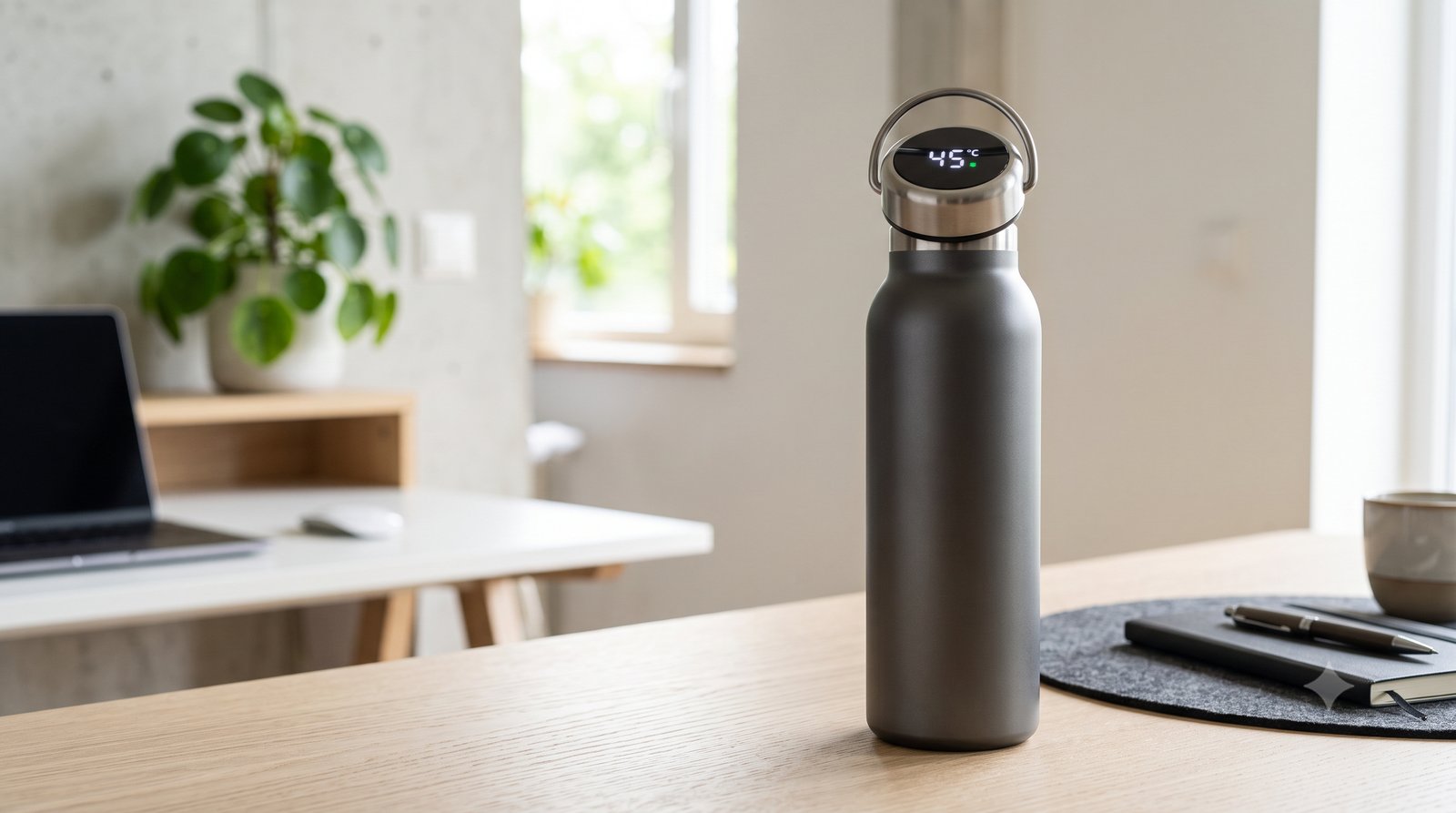
- Containers and vacuum flasks: China dominates world production of vacuum flasks and stainless steel containers. Manufacturers in Yongkang (Zhejiang) are the global benchmark in this niche
Gardening and outdoor
The outdoor and gardening category has grown a great deal in China and has rising demand in Brazil, especially with the increase in residential complexes with outdoor space and in interest in home gardens.
- Garden and outdoor furniture: sets in synthetic rattan, aluminium and polypropylene with UV resistance. Manufacturers in Guangdong produce for the largest garden retailers in the world
- Pots and planters: ceramic, polyethylene, fibreglass. A wide variety of sizes and styles. Polyethylene products are more robust and easier to ship in a container
- Garden tools: hoes, pruning shears, watering cans, hoses, drip irrigation systems, a segment with a good margin and a low cost to import
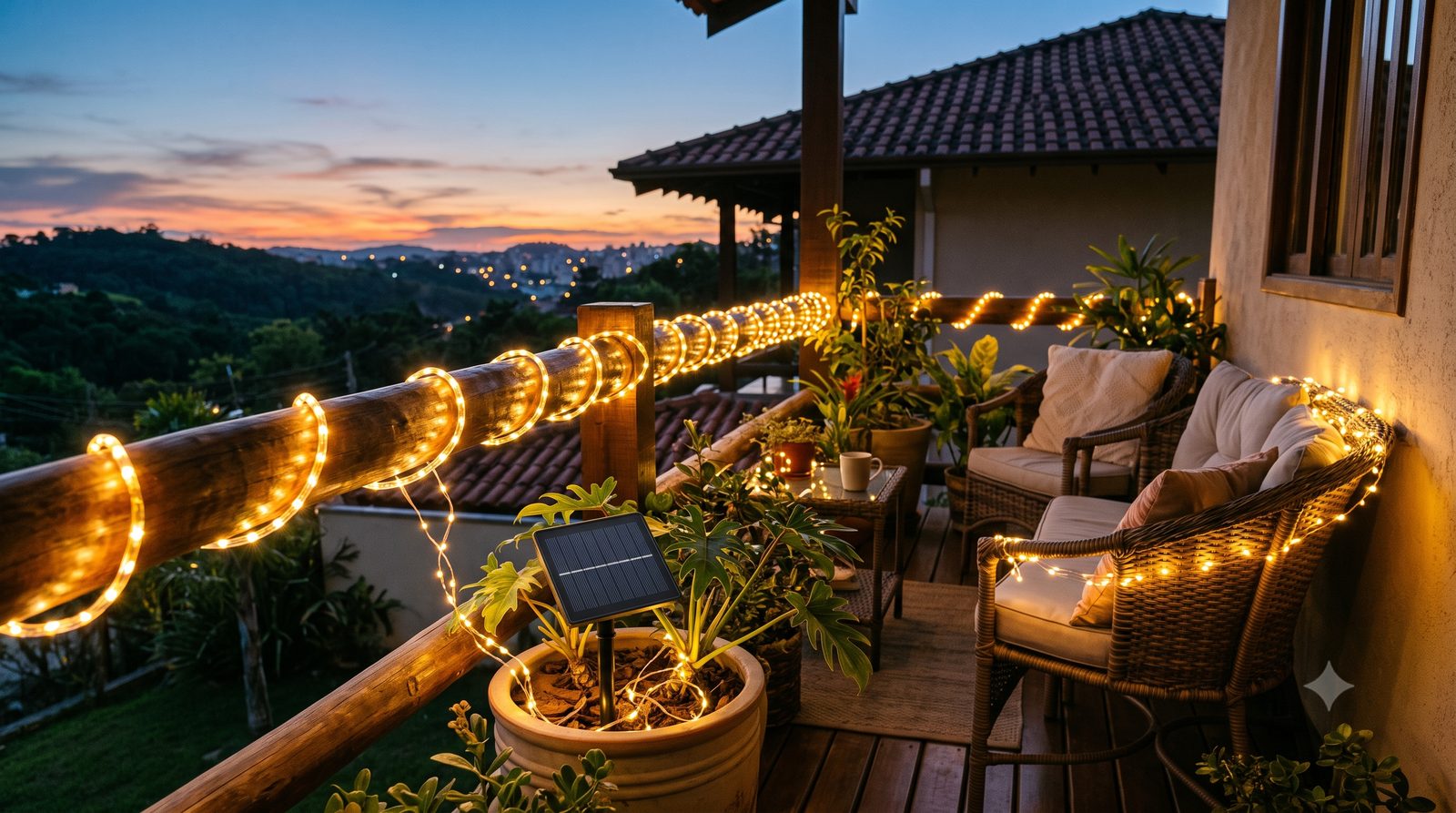
- Garden and outdoor lighting: solar lamps, garden spotlights, LED rope lighting for outdoor decoration. Solar products do not require INMETRO certification for installation on private property
- Pools and outdoor leisure: inflatable and framed pools, sun loungers, parasols, products with high seasonal demand in Brazil
How to prepare for Phase 2
Phase 2 has an enormous number of exhibitors across very different categories. Preparation is essential if you are not to waste the 5 days available.
01 Set at most 2 priority categories
Phase 2 runs from furniture to garden tools. Trying to cover everything in 5 days is impossible. Pick the categories that represent the greatest business opportunity, locate the corresponding halls on the official fair map and organise your schedule by day and by hall.
02 Plan the sample logistics
Unlike Phase 1, most Phase 2 products (furniture, tiles, textiles) do not fit in a suitcase. For furniture, ask for detailed photos, videos and technical specifications; the physical sample can be shipped later. For textiles and small decoration, bring an extra empty suitcase or use the postal service inside the Pazhou complex.
03 Commission inspection for furniture and tile orders
For categories with a high unit value and greater variation in quality (furniture, porcelain tiles), commissioning pre-shipment inspection is essential. What looks perfect on a fair stand can have an inferior finish in series production. BCVN coordinates inspections with local laboratories in Guangdong.
04 Check antidumping before negotiating tiles
If your interest is porcelain or ceramic tiles, research the antidumping measures applicable to the specific product before going to the fair. That determines which suppliers are viable and what real margin you will have when importing.
How BCVN supports you in Phase 2
The home segment has particularities that make specialist support especially valuable:
- Trips combined with Foshan: the furniture capital of the world is 30 minutes from Guangzhou. During Phase 2 we organise itineraries that combine the fair with visits to the furniture, tile and lighting districts in Foshan, giving access to manufacturers who do not exhibit at the Canton Fair
- Textile composition checks: our bilingual team requests composition reports and quality tests directly from suppliers, in Mandarin
- Antidumping analysis for tiles: before the trip we check the specific regulatory situation of the product to identify suppliers free of restrictions
- Pre-shipment inspection: for orders closed at the fair, we coordinate a physical inspection at the factory before the container is loaded
Frequently asked questions about Canton Fair Phase 2
Is it worth importing furniture from China to Brazil?
Yes, especially for retailers, decoration chains and high volume projects. China is the world’s largest producer and exporter of furniture. Manufacturers in Guangdong, Zhejiang and Fujian offer products of competitive quality at prices that allow robust margins in Brazil. The critical point is inspection before shipment: the quality of the finish and the materials varies a great deal between factories.
Do the furniture suppliers at the Canton Fair do OEM (own brand)?
Yes, the vast majority of furniture manufacturers at the Canton Fair accept OEM and ODM: production under your brand, custom packaging and design changes. For reasonable minimum volumes (usually from one 20 foot container upwards), you can order products to your own specifications, with labels in Portuguese and packaging customised for the Brazilian market.
Are there antidumping duties on porcelain and ceramic tiles imported from China?
Yes. Brazil applies antidumping measures to certain types of ceramic and porcelain tiles of Chinese origin. The rates vary according to the manufacturer and the type of product. Before importing, check with CAMEX whether the specific product is subject to measures in force, since that has a direct impact on whether the deal is viable.
How do I assess the quality of home textiles at the Canton Fair?
At the fair itself, ask for physical samples and check: the fabric composition (ask for a composition report in English), the weight, the finish of the seams and the colouring. For bed linen, watch out for shrinkage after washing and ask the supplier for wash test data. For larger volumes, commission a pre-shipment inspection to check the complete batch before it leaves.
Can I visit furniture factories in Guangdong during the Canton Fair?
Yes. Foshan, the furniture capital of the world, is less than 30 minutes from Guangzhou by car. During the Canton Fair it is common to combine the visit to the fair with one or two days in Foshan visiting factories directly. BCVN organises combined itineraries that include the Canton Fair and visits to furniture, tile and decoration factories in the region.
Which Phase 2 categories have the greatest potential for the Brazilian market?
For Brazil, the segments with the greatest potential in Phase 2 are: office and home office furniture (high demand since the pandemic), interior decoration and art objects (growing e-commerce), porcelain tiles and cladding for building projects and developers, and home textiles (bed, table and bath) for retail chains and hospitality.
BCVN — Brasil China Viagens e Negócios has attended every edition of the Canton Fair for 18 years. Our bilingual team organises guided business trips, visits to Foshan and quality inspections for Brazilian importers in the home and decoration segment.
Trade fair products in the China Showcase
Real finds from the fairs this guide covers, with the cost and resale logic of each one. See more in the China Showcase.