
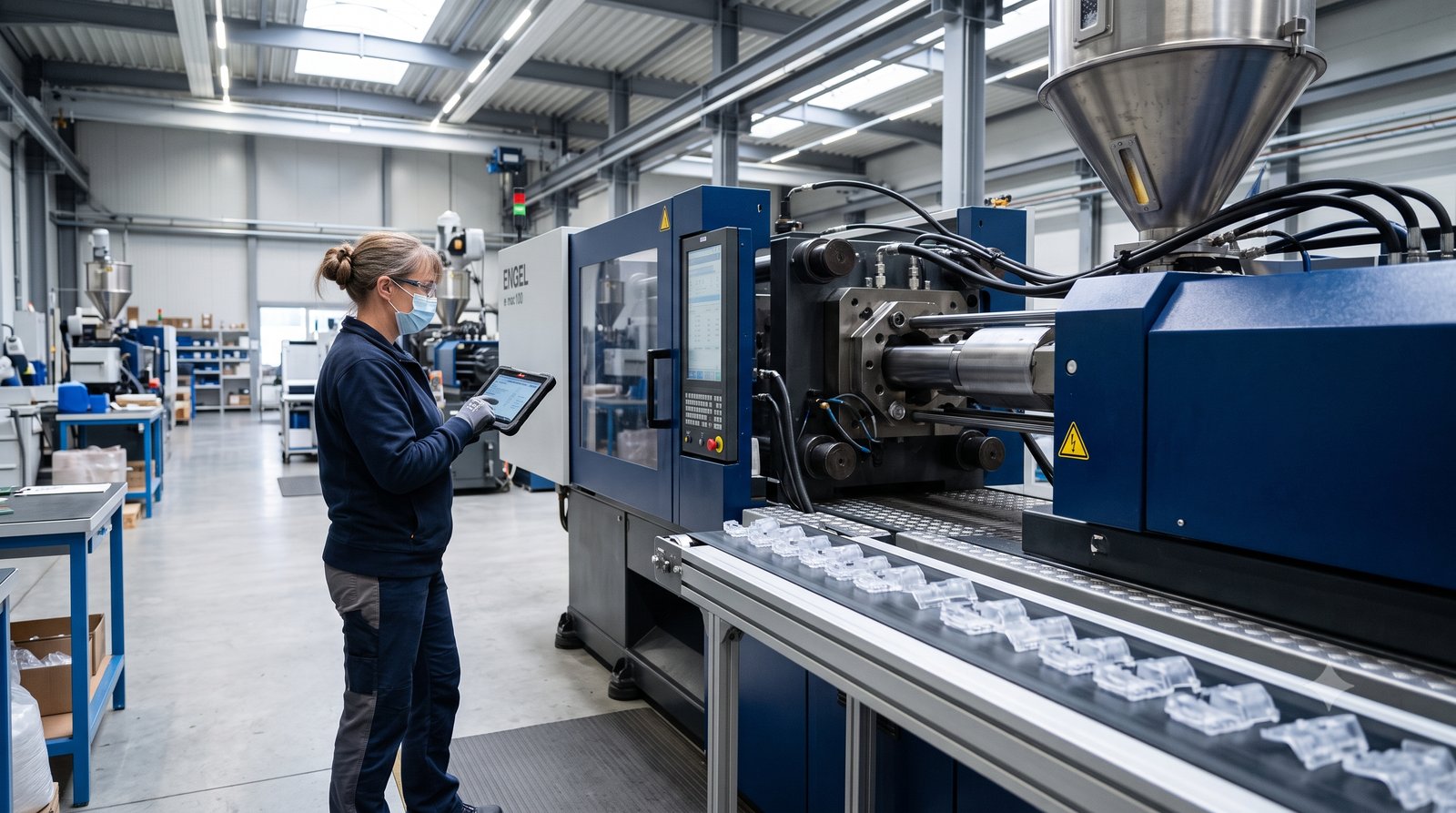
Almost everything around you is moulded plastic: the bottle cap, the bucket, the part inside the appliance, the packaging, the toy. Each of those products came out of a machine that melted plastic pellets and gave them a shape. Anyone who understands business knows there are two places in the chain: that of whoever buys the finished product and that of whoever manufactures it. The distance between the two is one machine, and it is precisely that machine that China produces at scale, at a price that changes the maths for anyone who wants to move up the chain.
What plastics processing machinery is
It is the family of machines that turns plastic pellets (the resin) into a finished product. The injection moulding machine injects molten plastic into a mould and makes solid parts; the blow moulding machine blows and makes hollow bodies such as bottles; the extruder pushes plastic out continuously for pipes and profiles; the thermoforming machine shapes sheets into packaging. China is now the largest manufacturer of these machines in the world, and that is what makes it possible to set up a processing line without the cost of ready-made imported equipment from a traditional brand.
Models and variations
A “plastics machine” is not one single product. In the fair's halls it is an entire universe, and it is that variety which makes the trip worthwhile, because each process manufactures a different family of product:
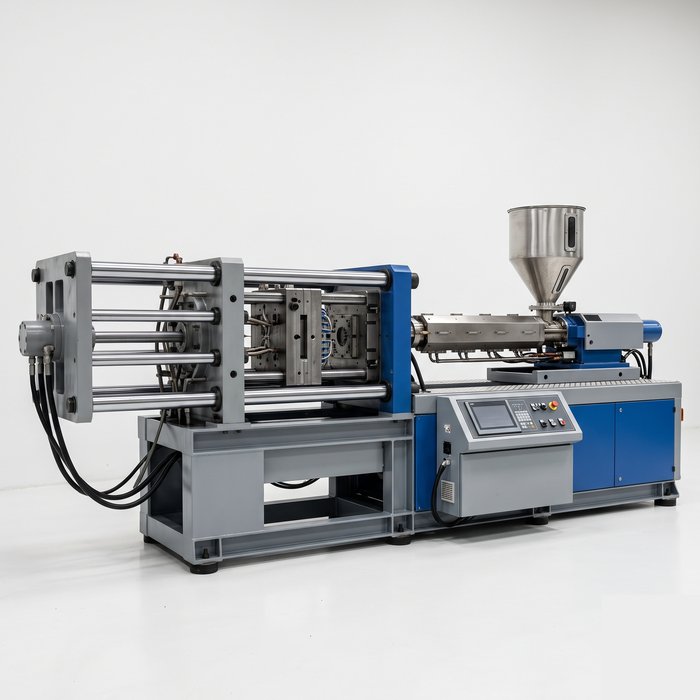
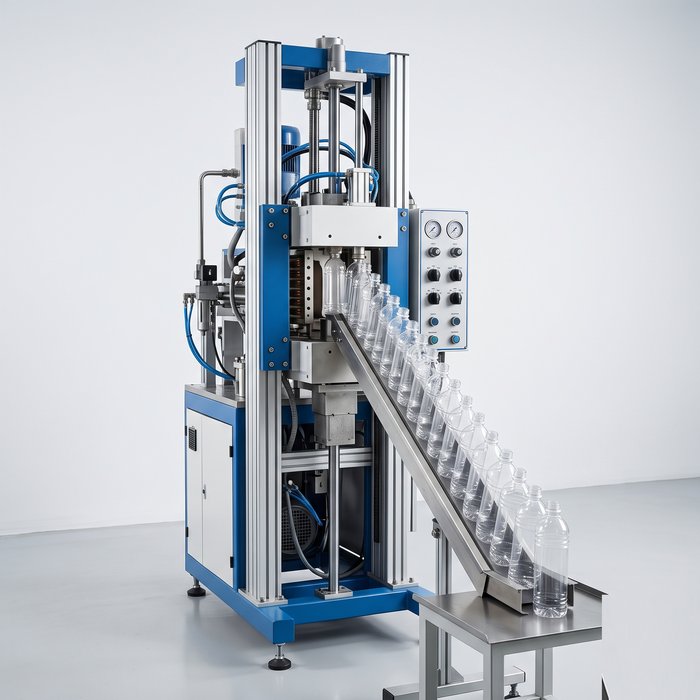
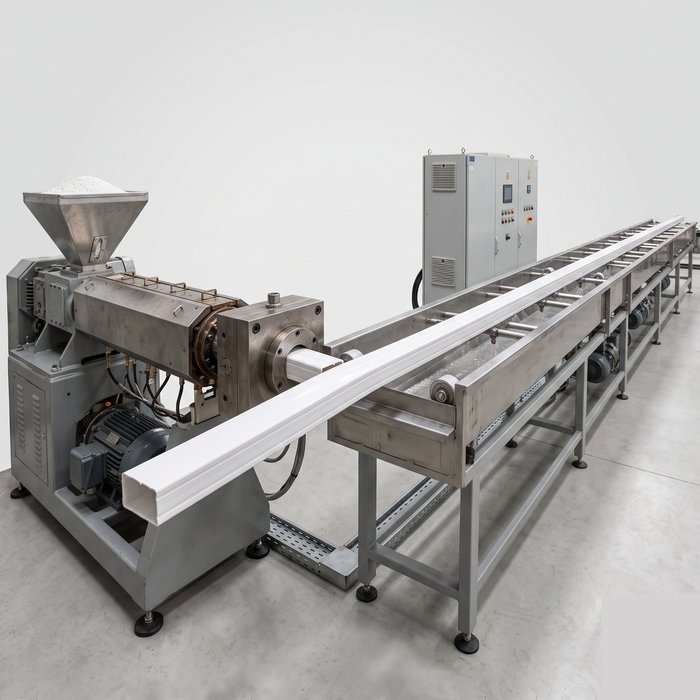
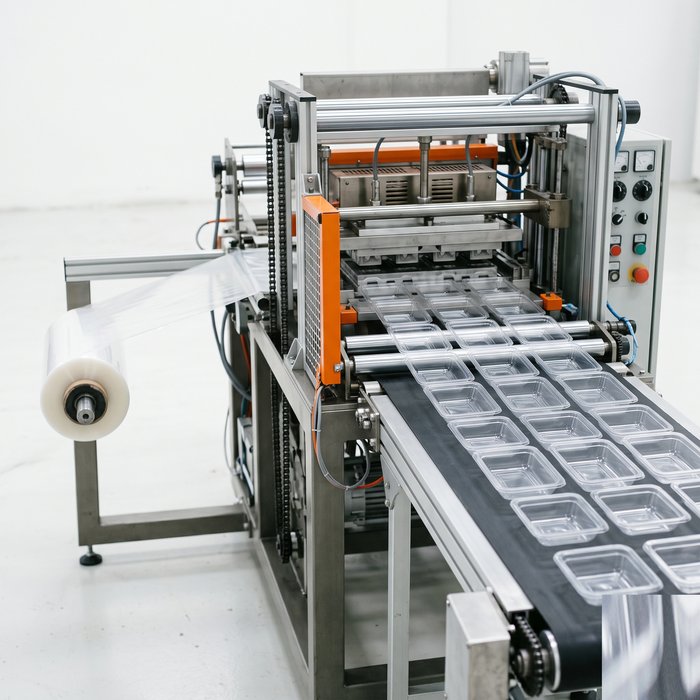
It is this combination that decides what the factory produces. The injection moulding machine is the most versatile and the way into processing; the blow moulding machine opens up the packaging market; the extruder goes into construction and agriculture; the thermoforming machine serves food service and disposables. Seeing the machines running, at source, and working out which of them manufactures your product is what a catalogue photo never shows.
Why this is an opportunity for Brazil
Brazil consumes processed plastic in enormous quantities, and a good part of the finished product is still imported ready-made. Whoever has the machine starts manufacturing here, with the cost of domestic resin and without depending on a supplier abroad. That is the definition of vertical integration, and Chinese equipment makes that step affordable.
- An ROI you can calculate: this is not an impulse product. The buyer knows how much they save by no longer importing the finished product and how long the machine takes to pay for itself in production. It is the most rational purchase there is, decided with numbers.
- Moving up the chain: going from being only a reseller to being a manufacturer changes the margin and the control of the business. Whoever produces sets the price, the lead time and the quality.
- The mould is the continuous business: every new product calls for a new mould, and the mould is a recurring investment and a sales front that comes round again. Whoever imports the machine opens the door to the mould and the spare part.
- Two buyers: it serves the plastics processing industry that wants to expand and the industrial machinery reseller who wants to represent the line in Brazil.
- Timing: the typical lead time for machinery is 60 to 120 days. Whoever closes at the fair has the line running the following half-year.
Before importing: injection, blow moulding and extrusion machines have moving parts, high pressure and high temperature, and have to meet NR-12 (guards, interlocking and emergency stop), at the risk of being shut down by the labour inspectorate. The electrical side may require INMETRO and a check on the voltage (generally 380V three-phase). Confirm the tonnage and the mould. This is a case where inspecting before shipment confirms the clamping unit, the screw and the guards. See also how to import industrial equipment from China.
Customise the specification (OEM)
Importing a plastics machine from China is not a matter of picking the catalogue model and plugging it in. The equipment is specified around what you are going to manufacture, and that is where having a partner at source separates those who get it right from those who buy the wrong machine:
- Tonnage and mould: the injection moulding machine's clamping force and the mould have to match the part you want to produce. Getting this wrong means a machine that does not make the product, the worst of all scenarios.
- Voltage and standard: 380V three-phase, NR-12 and the manual in Portuguese settled before the batch.
- Mould, screw and servicing: the supply agreement for the mould, the screw and the spare part, and the technical support, which is what keeps production running.
- Own brand: where it fits, the distributor can put their own brand (private label/OEM) on the machine, with BCVN negotiating the customisation and validating the sample.
That calls for direct negotiation with the factory and a sample or a test part validated before production. BCVN finds the right manufacturer, specifies the machine and the mould, ensures compliance and validates the support.
Where to buy a plastic injection moulding machine in China
Plastics processing machinery is concentrated in the dedicated sector fair and in the machinery hall of the universal fair:
- Canton Fair, Phase 1 (Machinery and Equipment): from 15 to 19 October, a good starting point, with machinery in the industrial section. In the same season, Chinaplas is the largest plastics and rubber fair in Asia, the sector's dedicated destination.
- Guide to industrial equipment: the step by step of importing machinery from China, from the project to customs clearance.
- 2026 trade fair calendar: to fit Canton and the sector fair into the same trip.
Next edition, Canton Fair 2026 (140th): Phase 1, with machinery and equipment, runs from 15 to 19 October 2026, at the Pazhou Complex in Guangzhou. BCVN combines the Canton schedule with a visit to the plastics fair and to the right factories.
It is also worth looking at the electric forklift and pallet truck, which moves production around the plastics factory.
The injection moulding machine is not the lightest import in the Showcase, and that is exactly why it represents the biggest jump: it changes the importer's place in the chain, from whoever buys to whoever manufactures. You do not buy just any machine, you buy the right tonnage, the right mould, the NR-12 guards and a manufacturer who will still guarantee the spare part next year. For anyone who wants to stop depending on the supplier and produce their own, it is the step that changes the business.
Frequently asked questions about importing plastics machinery
Do plastics machines imported from China need certification?
Yes. Injection, blow moulding and extrusion machines have moving parts, high pressure and high temperature, and have to meet NR-12, with guards, interlocking and emergency stop, at the risk of being shut down by the labour inspectorate. The electrical side may require INMETRO and a check on the voltage (generally 380V three-phase). Confirm the tonnage, the mould and the standard before importing.
What is the difference between an injection moulding machine, a blow moulding machine and an extruder?
The injection moulding machine melts plastic and injects it into a mould, producing solid parts such as caps, buckets, household items and components. The blow moulding machine produces hollow bodies, such as bottles, flasks and jerrycans, by blowing the plastic inside the mould. The extruder pushes plastic out continuously to make pipes, profiles, sheets and films. The thermoforming machine shapes heated sheets into trays and packaging. Each process makes a different family of product, and the choice depends on what you want to manufacture.
Why does importing plastics machinery from China pay off?
China is the world's largest manufacturer of plastics machinery and the price at source is a fraction of what is charged in Brazil, which changes the maths for anyone who wants to stop importing finished goods and start manufacturing, integrating the operation vertically. Besides the machine, there is the mould, the spare part, the screw and the servicing, a long relationship. For the industrial machinery reseller and for the plastics processing industry, it is a line of very high value.
Can I import just one injection moulding machine to test?
BCVN is an import consultancy for companies and resellers, not a retail shop, and does not sell single units. Import maths only works on volume and on value: freight for machinery and the paperwork are diluted, and every factory works to a minimum order quantity (MOQ). Anyone who wants a single item should buy from a distributor in Brazil; anyone who is going to set up a factory, integrate production vertically, resell or represent the brand imports at source, and that is where the savings really show up.
Where to buy a plastic injection moulding machine in China?
At Chinaplas, the largest plastics and rubber fair in Asia, and at the Canton Fair, Phase 1 (15 to 19 October), which brings the machinery together in the industrial section. China concentrates the big manufacturers of injection, blow moulding and extrusion machines, as well as the mould makers. BCVN validates the manufacturer, the tonnage, the NR-12 side, the mould and the supply of spares.