
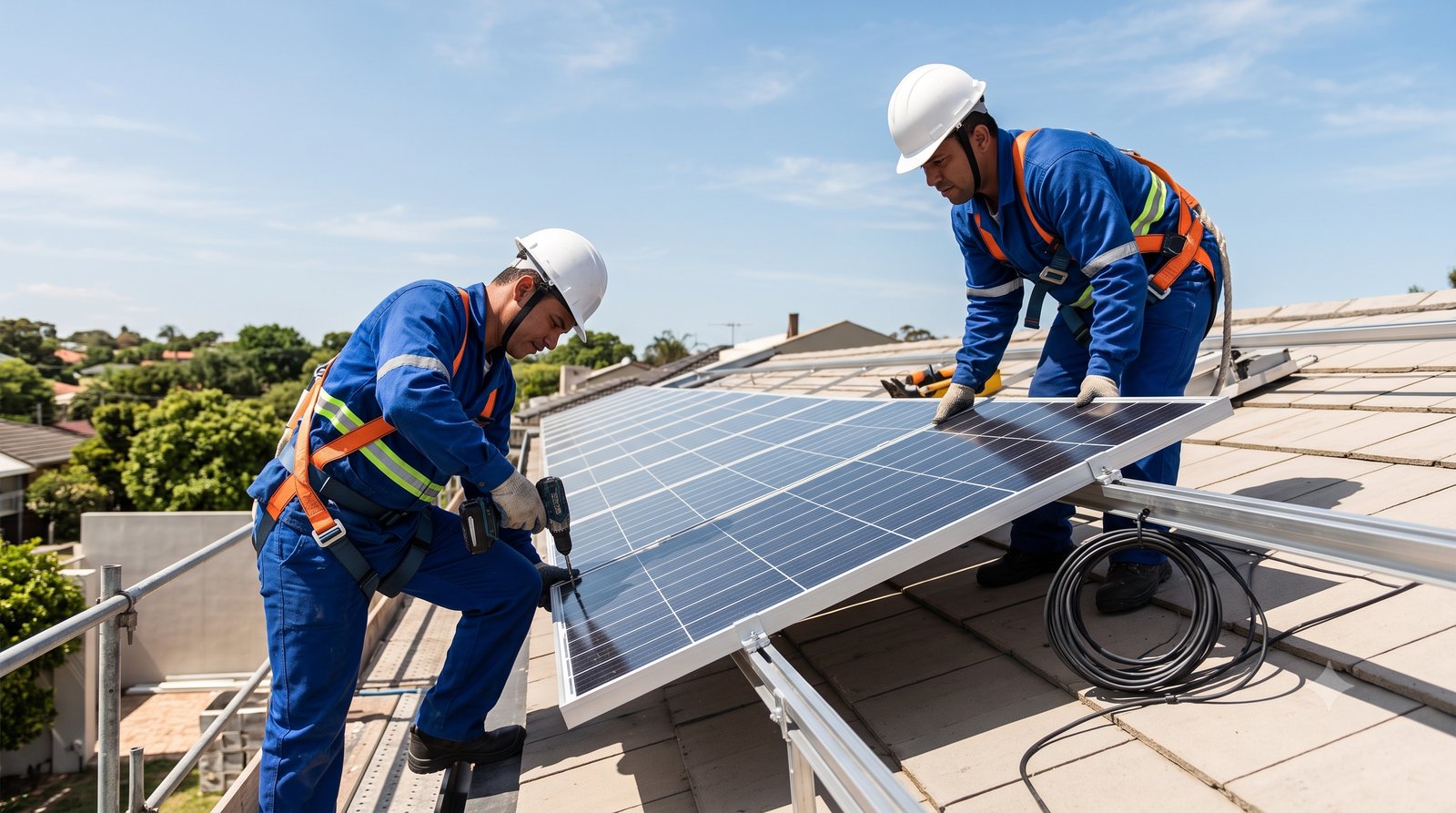
Few markets in Brazil grow like solar energy. The high electricity bill turned the panel on the roof from a luxury into a necessity, and the number of integrators and resellers exploded alongside it. But there is a big difference between buying the kit from a national distributor and importing directly at source: the margin. The one who sees the opportunity is the integrator who worked out that China manufactures almost the whole of the world's photovoltaic system, and that buying at source changes the maths of every project.
What the solar energy kit is
The photovoltaic kit is the set that turns sunlight into usable electricity: the module (panel) that captures it, the inverter that converts the current and feeds it into the grid, the mounting structure that fixes it to the roof and the cabling that connects everything. It is a system, not a part, and China is the source of most of these components. Importing the right kit, with the certification in order, is what lets the Brazilian integrator close projects at a competitive price.
Models and variations
A “solar kit” is not one single product. In the halls of the energy fair it is an entire universe, and it is that variety which makes the trip worthwhile, because each component solves a part of the system:
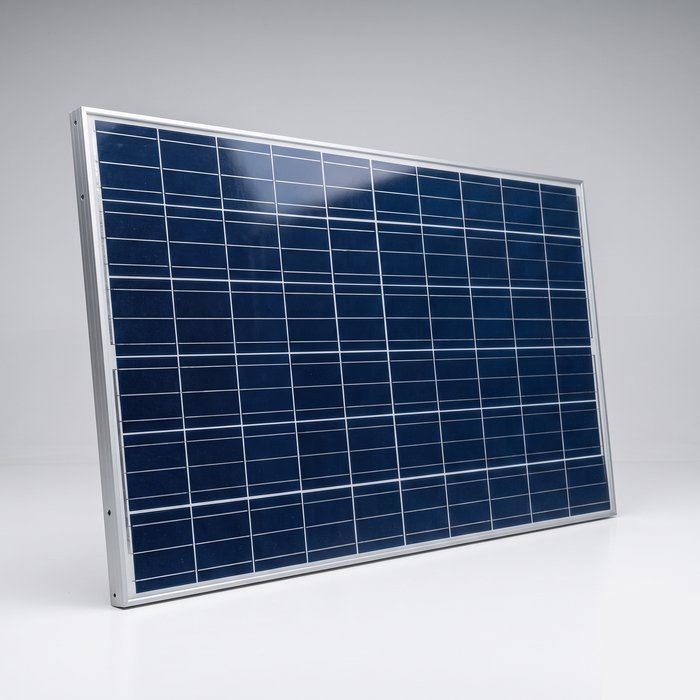
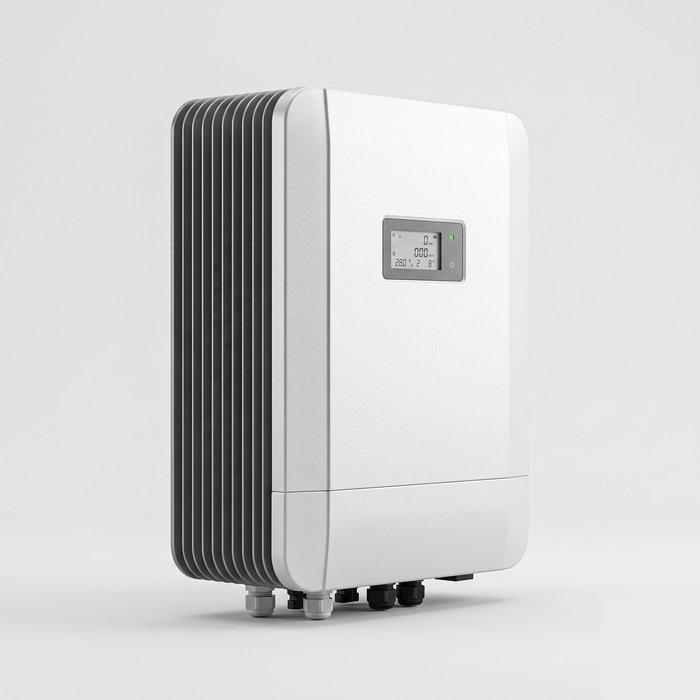
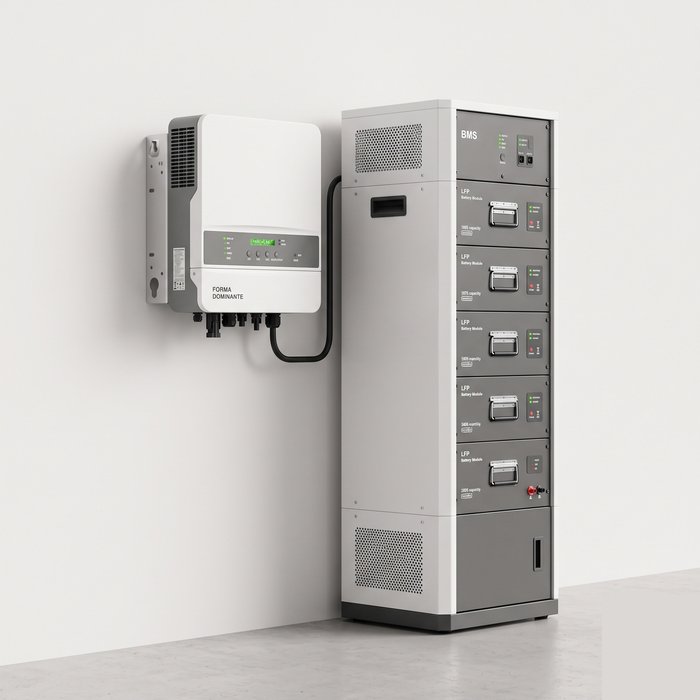
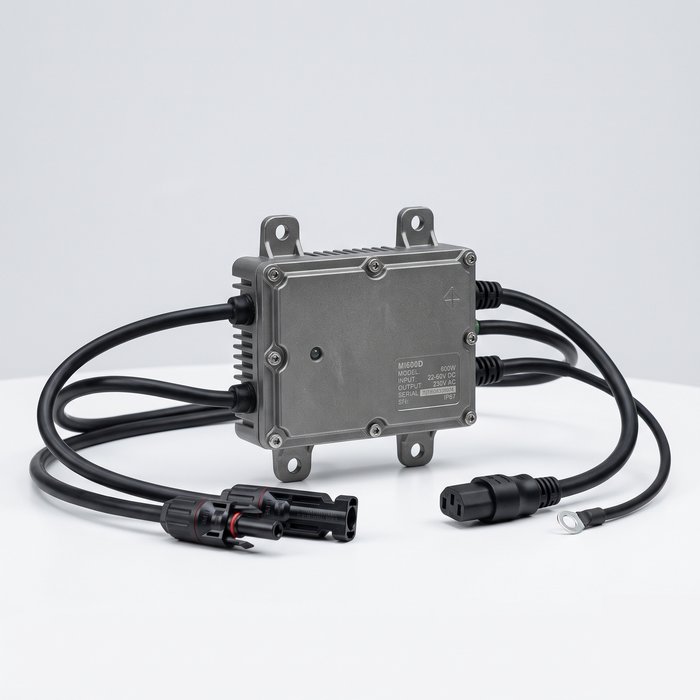
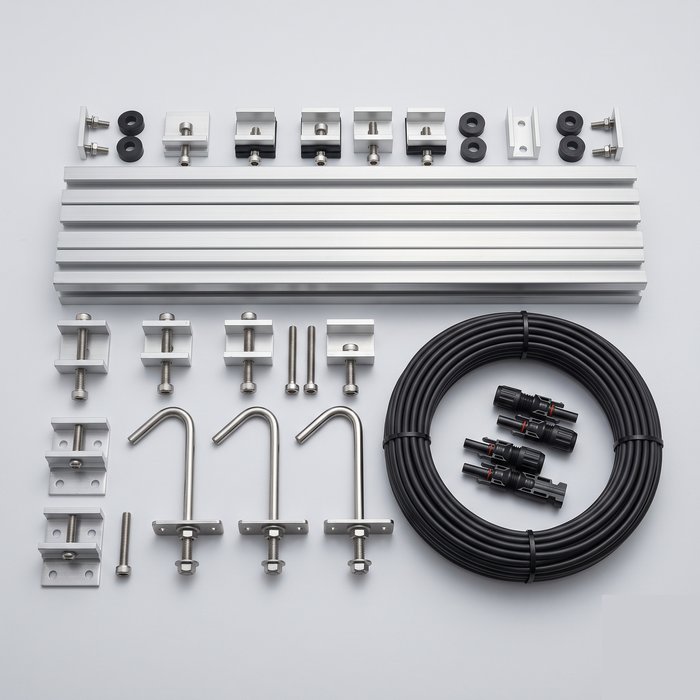
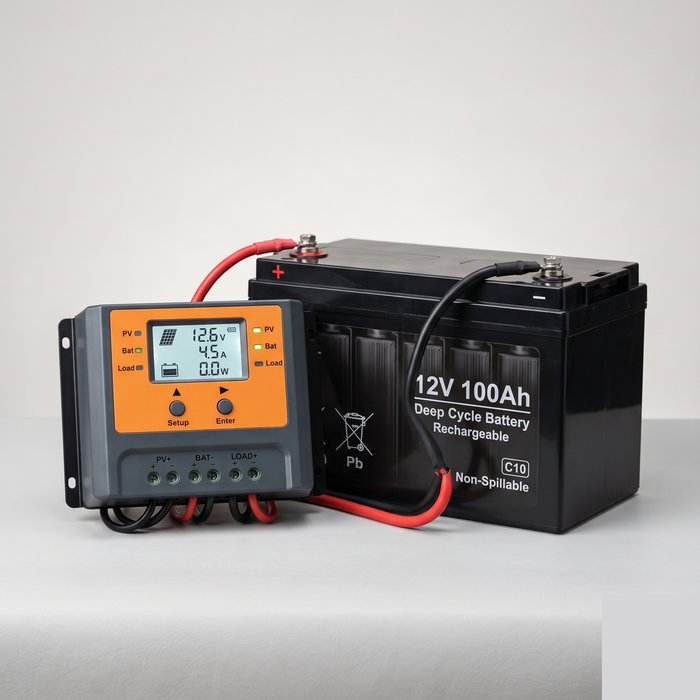
It is this combination that decides the project. The module and the string inverter are the heart of distributed generation; the hybrid serves anyone who wants a battery and backup; the microinverter deals with the shaded roof; the mounting structure and the cabling complete the job; the off-grid kit takes energy where the grid does not reach. Having the full portfolio is what lets the integrator close any type of installation.
Why this is an opportunity for Brazil
Distributed generation in Brazil has become one of the fastest-growing sectors, driven by the high electricity bill and by a return on investment the customer understands. The integrator's bottleneck is the cost of the kit, and that is exactly where the source makes the difference.
- An ROI you can calculate: this is not an impulse product. The end customer knows how much they save on the bill and in how many years the system pays for itself. It is the most rational sale there is, and demand keeps growing.
- The margin is in the source price: the difference between the national distributor's kit and one imported directly is what gives the integrator the competitiveness to close more projects and grow.
- Repeat purchase with every project: every new installation is a new kit. Unlike a one-off machine, here the integrator buys again with every job, a continuous turnover.
- Two buyers: it serves the integrator who installs and the distributor who wants to supply a network of installers in Brazil.
- Timing: the typical lead time is 60 to 120 days. Planning the import in advance guarantees stock for the queue of projects.
Before importing, the point that catches out the unprepared: the module and the inverter need INMETRO registration and labelling (the Brazilian Labelling Programme) in order to be sold and, above all, so that the customer can get the system approved by the utility (distributed generation, governed by ANEEL). Equipment without the correct certification becomes a batch nobody can connect to the grid. Confirm the INMETRO registration, the voltage and the compatibility between panel and inverter. It is worth inspecting before shipment and understanding how to import equipment from China.
Customise the specification (OEM)
Importing a solar kit from China is not a matter of picking the catalogue model and being done with it. The system is specified around the project and the standard, and that is where having a partner at source separates those who get it right:
- Certification and compatibility: panel and inverter with valid INMETRO registration and compatible with each other. Getting this wrong means buying a kit that will not be approved.
- Power rating and voltage: the inverter's power rating, the grid voltage and the type of system (on-grid, hybrid, off-grid) settled for the Brazilian market before the batch.
- Continuous supply and warranty: the supply agreement for the queue of projects and the warranty support, which the inverter calls for over the years.
- Own brand: where it fits, the distributor can put their own brand (private label/OEM) on the line, with BCVN negotiating the customisation and validating the sample.
That calls for direct negotiation with the factory and validation of the certification before production. BCVN finds the right manufacturer, confirms the INMETRO registration, specifies the system and secures the support.
Where to buy a solar energy kit in China
Photovoltaic equipment is concentrated in the dedicated energy fair and in the industrial hall of the universal fair:
- Canton Fair, Phase 1 (Machinery and Equipment): from 15 to 19 October, a good starting point, with manufacturers of panels, inverters and components in the industrial section. In the same season, SNEC, in Shanghai, is the world's largest solar energy fair.
- Guide to industrial equipment: the step by step of importing from China, from the order to customs clearance.
- 2026 trade fair calendar: to fit Canton and the energy fair into the same trip.
Next edition, Canton Fair 2026 (140th): Phase 1, with machinery and equipment, runs from 15 to 19 October 2026, at the Pazhou Complex in Guangzhou. BCVN combines the Canton schedule with a visit to the energy fair and to the right factories.
It is also worth looking at the portable solar power station and the solar irrigation pump, which round out the solar energy line.
The solar energy kit is not the lightest import in the Showcase, and that is exactly why it rewards the integrator who goes to the source. You do not buy just any panel, you buy equipment with INMETRO registration, compatible and from a manufacturer who will guarantee supply for the queue of projects. For anyone installing solar energy in Brazil, buying at source is the difference between fighting on price and closing the job with a margin.
Frequently asked questions about importing solar energy
Do solar panels and inverters imported from China need certification?
Yes, and this is the central point. The photovoltaic module and the inverter need INMETRO registration and labelling (the Brazilian Labelling Programme) in order to be sold and, above all, in order to be connected to the grid under distributed generation, a process governed by ANEEL and by the local utility. Buying equipment without the correct certification means a batch the customer cannot get approved. Confirm the INMETRO registration and the voltage before importing.
What is the difference between an on-grid, a hybrid and a microinverter?
The on-grid (string) inverter converts the energy from the panels and feeds it into the grid; it is the most common one in distributed generation. The hybrid inverter does the same and also manages a battery, for anyone who wants to store energy and have backup when the power goes down. The microinverter sits on each panel and is ideal for roofs with partial shading or different orientations. The choice depends on the project, and offering all three covers every type of installation.
Why does importing solar energy from China pay off?
China manufactures most of the world's panels and inverters and the price at source is a fraction of what is charged in Brazil, at a moment when the expensive electricity bill keeps pushing demand for self-generation without let-up. Every installation project is a new kit purchase, which generates constant repeat business. For the solar integrator and reseller, buying directly at source improves the margin and the ability to close more projects.
Can I import just one solar kit to test?
BCVN is an import consultancy for companies and resellers, not a retail shop, and does not sell single units. Import maths only works on volume: freight and paperwork are diluted across the batch, and every factory works to a minimum order quantity (MOQ). Anyone who wants a system for their own house should hire an integrator in Brazil; anyone who is an integrator or distributor, or who wants to represent the brand, imports at source, and that is where the savings really show up.
Where to buy a solar energy kit in China?
At SNEC, in Shanghai, the world's largest solar energy fair, and at the Canton Fair, Phase 1 (15 to 19 October), which brings together the manufacturers of panels, inverters and components in the industrial section. China concentrates the sector's big factories. BCVN validates the manufacturer, the INMETRO registration, the voltage, the compatibility and the continued supply for your projects.