
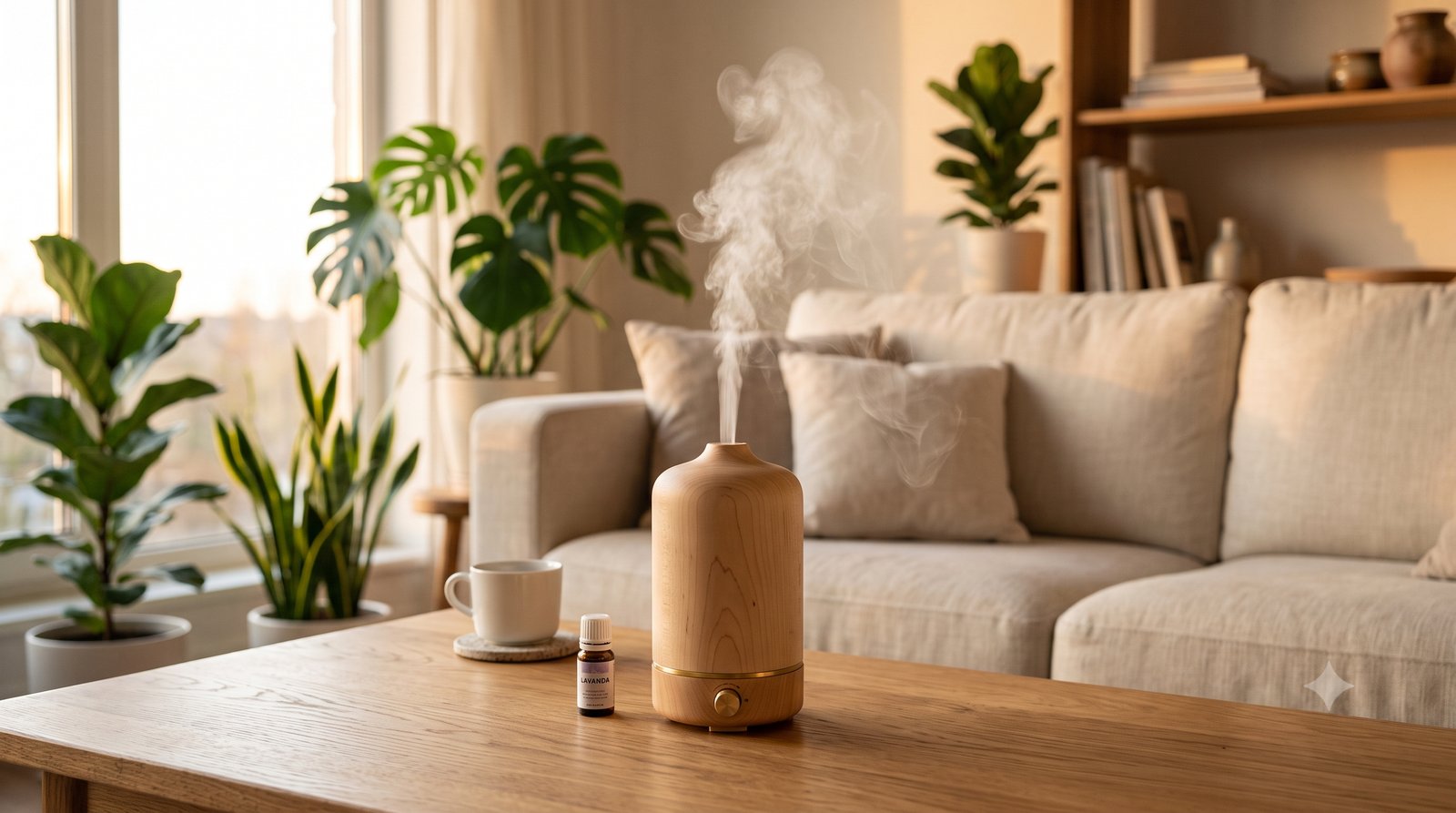
Wellbeing has stopped being a luxury and become a consumer habit. Aromatherapy, self-care, a cosy home and the ambience of a shop drive a whole category of products that are cheap to make and have enormous visual appeal. Whoever sees the opportunity is not only the person who wants to relax at home, but the importer who realised that this line leaves China at a fraction of the shelf price, with an audience that ranges from the end consumer to the salon, the spa and the clinic.
What the humidifier and the aroma diffuser are
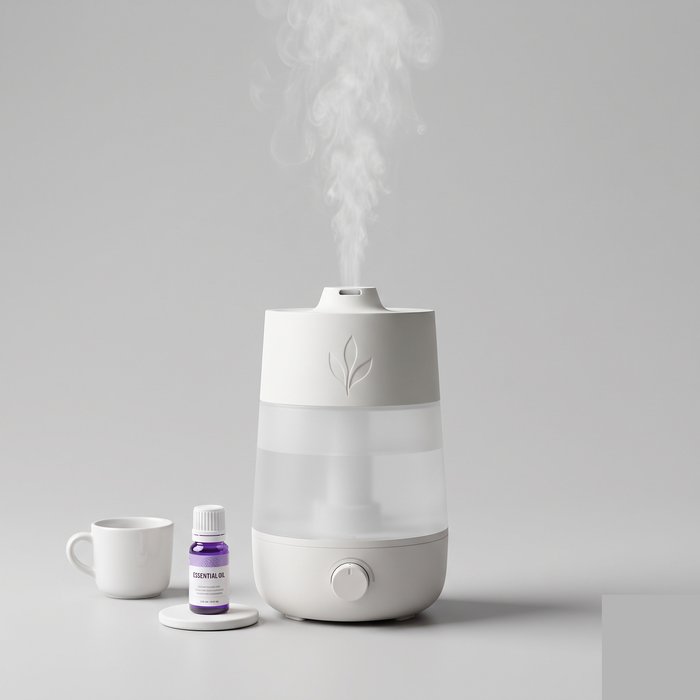
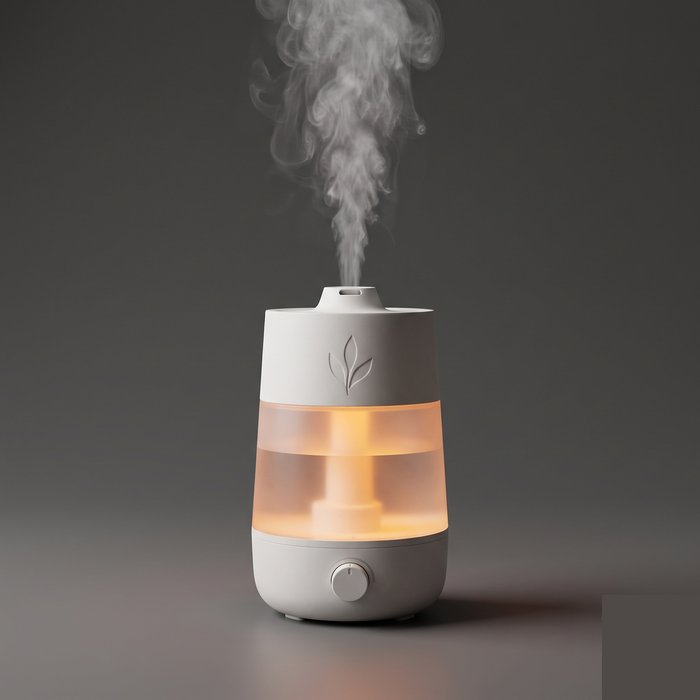
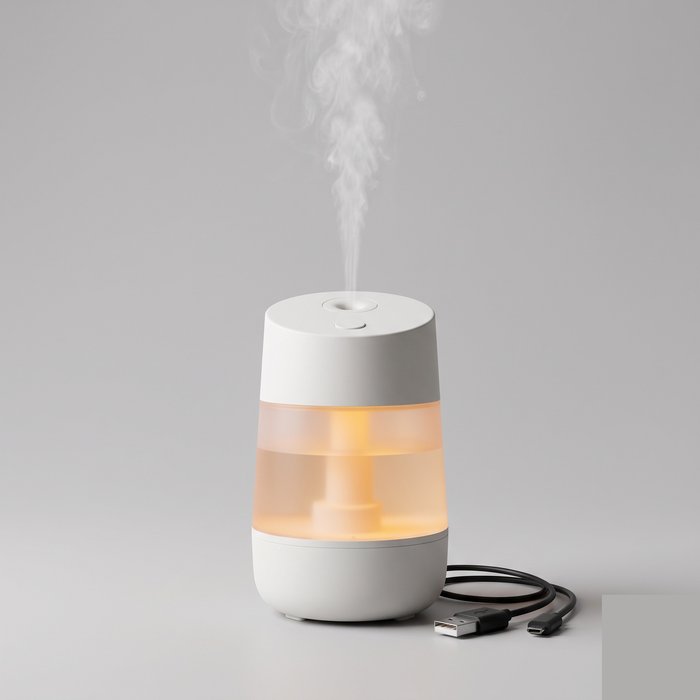
The air humidifier and the aroma diffuser share the same ultrasonic technology: a membrane vibrates at high frequency and turns water into cold mist, without boiling and without any risk of burns. In the diffuser, a few drops of essential oil scent the room; in the humidifier, the focus is on returning moisture to the air on dry days and in a baby's bedroom. Most models combine both functions and also bring an ambient light, which widens the resale audience.
It is not inaccessible technology, and that is exactly why it moves: it costs little, it delights straight away, it works as a gift and the customer comes back to buy the essential oil and the next model.
Models and variations
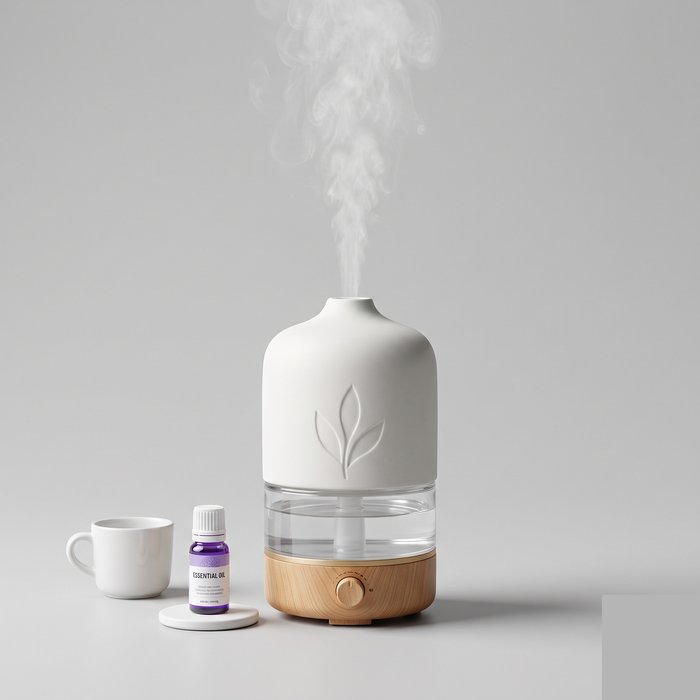
"Humidifier" is not one single product. In the home and wellbeing aisles of the Chinese trade fairs it is a whole family, and each line opens up a different shelf and a different customer in your business:
Why this is an opportunity for Brazil
Brazil has a strong market for wellbeing, gifts and decoration, as well as a retail trade that lives on atmosphere. Humidifiers and diffusers are items with permanent turnover and impulse purchase, and the sums add up for two profiles at the same time: the shop that wants a better margin and the entrepreneur who wants to create their own aromatherapy brand.
- A broad audience and repeat purchase: it sells for the home, as a gift, and to spas, salons, clinics and offices, and the customer comes back to buy the essential oil and the refill.
- Buys cheap at source, resells well: China concentrates the manufacturing, and the cost at source is a fraction of the shelf price, which opens up a comfortable margin for whoever imports directly.
- An easy gift all year round: it is one of those products that solve the gift purchase on any commercial date, which sustains the sale without depending on a season.
- A private label platform: with your logo, a beautiful finish and a well-made box, you escape the price war of the generic and build a wellbeing brand.
Before importing: as they are electrical appliances, humidifiers and diffusers may require INMETRO certification, besides confirming the voltage (110V, 220V or dual voltage) and the power supply; models with Wi-Fi also require ANATEL. The quality of the ultrasonic membrane, of the plastic and of the power supply varies greatly between factories, and this is a case in which inspecting before shipment protects your brand from the very first batch. See also the products that require INMETRO.
Put your own brand on it
Importing diffusers from China is not taking the catalogue model and reselling it the same as everyone else. It is one of the easiest lines to turn into a private label (OEM), and that is where having a partner at source separates whoever sells a commodity from whoever builds a brand.
- Your brand on everything: logo on the product, on the packaging and in the manual, colours, material and box finish to your standard.
- The right mix: the tank capacity, the shape (wood, ceramic, glass), the ambient light and the accessories your audience is looking for.
- A repeat-purchase kit: combining the diffuser with a line of essential oils under your brand ties the customer in and creates recurring revenue.
That calls for direct negotiation with the factory and sample validation before the batch. BCVN finds the right manufacturer, closes the customisation, tests the quality of the mist and of the power supply and guarantees the product arrives within the standard.
It is worth understanding how this works in practice before requesting the first sample: the guide on own brand in China: private label, OEM and ODM explains the difference between the three models and what each one changes in the minimum order and the lead time.
Where to buy humidifiers and diffusers in China
Home, wellbeing and gifts are extremely strong sectors in China, and the line appears at more than one fair depending on the model:
- Canton Fair, Phase 2 (Home, Gifts and Decoration): the main starting point, with manufacturers of diffusers, humidifiers and wellbeing articles side by side.
- Yiwu Trade Fair: strong in wellbeing models at volume and in the accessories that complete the line, in the largest small commodities wholesale market in the world.
- Canton Fair, Phase 1 (Electronics): for the more technological models, with Wi-Fi, an app and connected home integration.
Next edition, Canton Fair 2026 (140th): Phase 2, for home, gifts and decoration, takes place from 23 to 27 October 2026, at the Pazhou Complex, in Guangzhou. It is the chance to feel the finish in your hand and compare manufacturers in front of you before closing the private label.
Read the complete guide to the Canton Fair 2026
The humidifier and aroma diffuser is not a bold bet. It is one of the lines with the best turnover and the lowest entry cost in the wellbeing universe, and the one that most rewards whoever buys directly and builds a brand. For the importer, the question is not whether the product sells, it is buying from the right manufacturer, within the standard, and turning a generic shelf into a brand the customer asks for by name.
Frequently asked questions about importing humidifiers and aroma diffusers
What is the difference between an air humidifier and an aroma diffuser?
Both use the same ultrasonic technology, which turns water into cold mist without boiling it. The humidifier focuses on returning moisture to the room, useful in dry weather and in a baby's bedroom, and usually has a larger tank. The aroma diffuser mixes a few drops of essential oil into the water to scent the room, with a focus on decoration and wellbeing, and usually has an ambient light. Many models do both, which widens the resale audience.
Do humidifiers and diffusers imported from China need INMETRO certification?
As they are electrical appliances, they may require INMETRO certification, and it is necessary to confirm the voltage (110V, 220V or dual voltage) and the power supply. Models with Wi-Fi or Bluetooth also require ANATEL approval. BCVN validates the manufacturer that supplies the correct documentation and the power supply suited to Brazil.
Can I import just one unit of a humidifier to test it?
No. BCVN is an import consultancy for retailers and companies, and the product has a factory MOQ (minimum order quantity); freight is only diluted in a closed batch. A single loose unit does not add up as an import. Anyone who wants one piece should buy from a reseller in Brazil; anyone who wants to resell or stock their own shop at volume is a BCVN client.
Where to find suppliers of humidifiers and aroma diffusers in China?
At the Canton Fair, Phase 2 (home, gifts and decoration), at the Yiwu Trade Fair, strong in wellbeing products at volume, and at Canton Phase 1 for the more electronic models. That is where the manufacturers ready for private label are. BCVN validates the manufacturer, the approved power supply, the finish and the after-sales.